
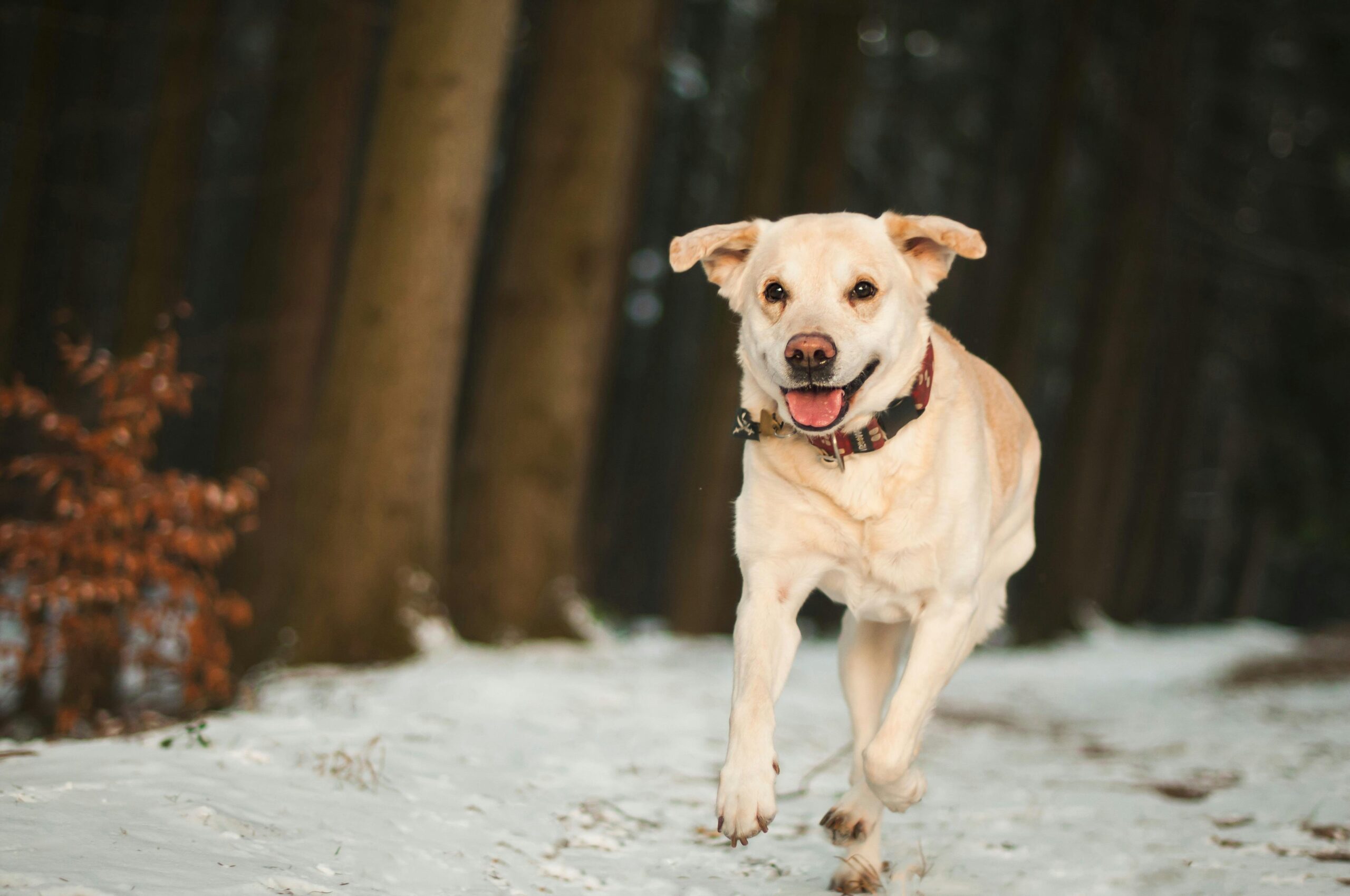
When the temperatures drop in Toledo, many dog owners assume it’s time to pause training until spring. But here’s a secret that professional trainers know: winter is actually one of the best times to work on obedience.
Cold months offer fewer distractions, more one-on-one bonding time, and the perfect opportunity to strengthen skills indoors. Whether your dog is new to training or needs a refresher, winter gives you the chance to turn downtime into lasting progress.
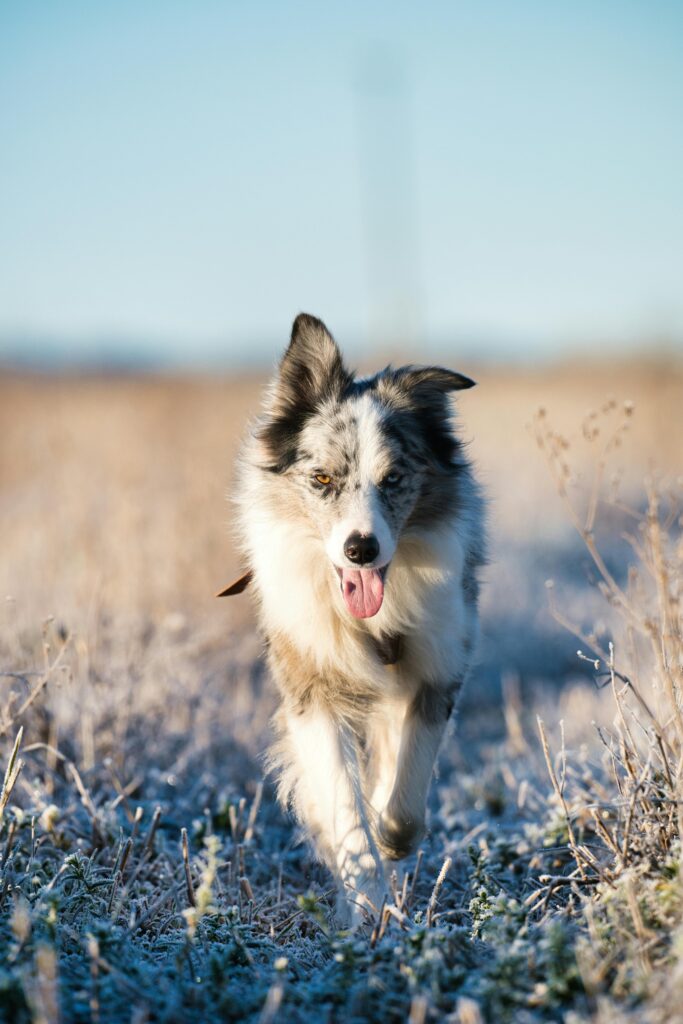
Why Training in Winter Works
Many owners slow down their training routines during the colder months, which is a missed opportunity. Without outdoor distractions like crowds, smells, and other dogs, your pup can focus better and learn faster.
Winter training advantages include:
- More consistent one-on-one attention
- Easier focus with fewer outdoor stimuli
- Extra bonding during time spent indoors
- A head start before spring adventures begin
Our Basic & Advanced Obedience programs are designed to build lasting skills year-round, but many clients see their fastest improvements in the winter.
Indoor Training Opportunities
You don’t need a big backyard to keep training during the winter. Small spaces can be just as effective if you use them strategically.
Great indoor training exercises include:
- “Place” command using a bed or mat
- Short-distance recall drills down hallways
- Impulse control practice with doorways and food bowls
- Heel work around furniture
- Trick training for mental stimulation
If your dog struggles with restlessness indoors, check out our post on how to keep dogs active during bad weather. The same enrichment strategies work perfectly for snowy or cold days.
Outdoor Work: Embrace the Elements Safely
While it’s tempting to avoid outdoor sessions altogether, short training walks in cold weather build endurance and focus. The key is preparation.
Cold-weather safety tips:
- Limit sessions to 10–15 minutes in freezing temps
- Protect paws with booties or balm
- Use reflective gear for shorter daylight hours
- Keep water available to prevent dehydration
- Dry your dog thoroughly after sessions
Consistency outdoors reinforces that obedience applies in all environments, not just inside.
For fundamentals that keep every session crisp and clear, review the AKC’s guidance on dog training dos and don’ts.
Mental Stimulation Beats Cabin Fever
Boredom can lead to destructive behavior during winter. Training gives your dog purpose and engagement, helping them stay mentally sharp even when physical activity is limited.
Try mental enrichment games like:
- Scent work using hidden treats
- Puzzle toys or food-dispensing games
- Obedience mixed with play for motivation
- Trick sequences that challenge memory
These activities provide structure, burn energy, and strengthen your communication with your dog.
Checklist: Winter Training Essentials
- Schedule 10–15 minute daily training sessions
- Use your hallway or living room for obedience drills
- Protect paws with booties or wax balm
- Mix physical and mental enrichment each day
- Stay consistent with crate or place training
- Reward calm behavior indoors
FAQ: Cold Weather Training
Q: Is it safe to train my dog outside during winter?
A: Yes, with preparation. Keep sessions short, protect paws, and monitor for signs of cold stress like shivering.
Q: My dog hates the cold. What can I do?
A: Focus on indoor obedience and enrichment. Dogs can master skills like “place,” “stay,” and “heel” in any setting.
Q: Can snow affect leash training?
A: Slightly. Use a non-slip leash and focus on shorter, high-value sessions to maintain engagement.
Q: Should I adjust feeding or exercise routines in winter?
A: Dogs may need slightly fewer calories due to less activity but consistent structure and exercise remain key.
Q: Does winter training really make a difference long-term?
A: Absolutely. Consistency through winter prevents regression and creates strong obedience before spring distractions return.
Final Thoughts
Winter isn’t an off-season for training, it’s a golden opportunity. By focusing on obedience during the colder months, you’ll build confidence, consistency, and communication that last all year.
If you’re ready to make the most of winter, our Basic Obedience Program provides personalized guidance for building focus and control indoors or out.
Don’t wait for spring. Contact us today and turn winter into your dog’s most productive season yet.