
Dog-Friendly Hotels Toledo, Ohio: Where To Stay With Your Pup

Key Takeaways

  • Toledo and surrounding areas (Maumee, Perrysburg, Oregon) offer roughly 22 dog friendly hotels ranging from budget motels to full-service downtown properties like Renaissance Toledo Downtown Hotel, Residence Inn Toledo West, and Hampton Inn & Suites Toledo/Westgate.
  • Pet fees, weight limits, and policies vary widely between properties—always call ahead to confirm current rules before making reservations.
  • Most Toledo area hotels welcome both dogs and cats, with typical limits of 1-2 pets per room and weight caps commonly between 50-80 lbs.
  • Budget travelers can find options like Motel 6 Toledo and La Quinta Inn by Wyndham Toledo Perrysburg with minimal or no pet fees.
  • Dogs with reactivity or obedience challenges may benefit from training with Off Leash K9 Training Toledo before tackling busy hotel environments and downtown sidewalks.

Overview: Dog-Friendly Stays Around Toledo, Ohio

The Toledo metro spreads across several distinct areas—Downtown Toledo, Westgate/University district, Maumee, Perrysburg, and Oregon—each offering pet-friendly hotels suited to different travel needs. Whether you’re passing through on I-75 or planning a longer stay near Lake Erie, you’ll find options ranging from full-service downtown properties to extended-stay suites and budget-friendly motels.

Main types of dog-friendly accommodation:

  • Downtown full-service hotels – walkable to Maumee River paths, Huntington Center, and Warehouse District dining
  • Extended-stay suites – full kitchens and extra space for longer trips or larger dogs
  • Highway-convenient chains – quick access off I-75 and I-475 in Maumee, Perrysburg, and West Toledo
  • Budget motels – simpler rooms with flexible pet policies and easy outdoor access

Typical pet policies include:

  • Per-night or per-stay pet fees ($10-50 nightly or $50-150 flat)
  • Limits of 1-2 dogs per room
  • Weight caps commonly range from 50-80 lbs
  • Crating requirements when dogs are left unattended

For dogs with reactivity or obedience issues, staying slightly outside the busiest downtown core might reduce stress. Professional training from Off Leash K9 Training Toledo can help dogs handle hotel hallways, elevators, and crowded sidewalks with confidence.
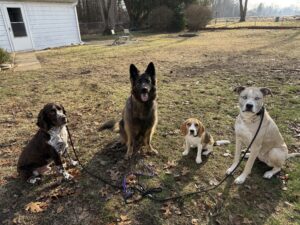
Four dogs sitting on leashes in a backyard, including a German Shepherd, Beagle puppy, Pit Bull mix, and Spaniel posing together outdoors.

Downtown Toledo: Walkable Dog-Friendly Hotels Near the River

Downtown Toledo puts you steps from the Maumee River, Huntington Center arena, and the Warehouse District’s restaurants and nightlife. Several dog friendly hotels in this area cater to travelers who prioritize walkability and city access.

Renaissance Toledo Downtown Hotel

  • Accepts 2 pets (dogs and cats) of any size
  • Nightly pet fee structure varies by stay length
  • Located at 444 North Summit St., steps from the river
  • On-site dining, 13 event venues, rates starting around $146/night
  • Ideal for owners wanting city views and proximity to concerts or hockey games

Hilton Garden Inn Toledo Downtown

  • Permits 2 pets up to mid-range weight (commonly 50-75 lbs)
  • Per-stay pet fee
  • Rated 4.5/5 from 131 reviews on TripAdvisor
  • Quick access to offices and arena events
  • Staff praised for pet-friendly check-ins

Homewood Suites by Hilton Toledo Downtown

  • Allows 2 dogs up to approximately 75 lbs
  • Standard Hilton pet fees
  • Rated 4.7/5 from 63 reviews
  • In-room kitchens, free breakfast, separate living areas
  • Great for longer stays with northern city views

Expect in downtown properties:

  • Valet or self-parking options
  • Busy elevators and hallway traffic
  • City noise that may affect anxious dogs
  • Walking access to Maumee River paths (dogs must be leashed)

Owners with dogs prone to leash-pulling or reactivity should practice calm walking skills before arrival. Off Leash K9 Training Toledo specializes in distraction-proof obedience for exactly these crowded downtown scenarios.

West Toledo & University Area: Convenient Dog Friendly Hotels Off I-475

The Westgate/West Toledo zone near the University of Toledo and Franklin Park Mall offers easy interstate access and generally calmer surroundings than downtown. This area works well for road trippers and families.

Residence Inn by Marriott Toledo West

  • Typically permits 2 pets up to around 75 lbs
  • Flat per-stay pet fee
  • Full kitchens and larger suites
  • Strong choice for extended stays or families with dogs

Hampton Inn & Suites Toledo/Westgate

  • Allows 2 pets up to mid-size weights
  • Per-stay pet fee
  • Rated 4.4/5 from 718 reviews
  • Free breakfast, indoor pool
  • Guests specifically cite pet-friendliness as a plus

Quality Inn Toledo Westgate

  • Budget-conscious option at 3560 Secor Road
  • Per-pet nightly fees, rates from approximately $76/night
  • Accommodates 2 dogs of any size
  • Basic amenities, practical for short stopovers

Nearby attractions:

  • Franklin Park Mall and Cinemark Franklin Park 16
  • Ottawa Park for on-leash dog walks
  • Quick drives to green spaces

This zone’s calmer surroundings compared to downtown can help dogs working on crate training, separation comfort, or basic obedience adjustments.

Two spotted puppies exploring outdoors, standing on a log among dry leaves and autumn foliage.

Maumee & Perrysburg: Dog Friendly Hotels South of Toledo

Maumee and Perrysburg sit just south of Toledo along I-75 and the Ohio Turnpike, making them convenient for highway travelers. A dense cluster of chain hotels here welcomes dogs.

Hampton Inn Toledo-South/Maumee

  • Free breakfast, indoor pool, free parking
  • Allows 2 pets up to mid-range weight (50-80 lbs typical)
  • Tiered pet fees based on stay length
  • Near The Town Center at Levis Commons

Home2 Suites by Hilton Maumee Toledo

  • Extended-stay kitchenettes
  • Free breakfast and parking
  • 2 dogs per room for per-stay fee
  • Rates around $161/night, rated 4.2/5

La Quinta Inn by Wyndham Toledo Perrysburg

  • Free breakfast, Wi-Fi, parking
  • Flexible pet policies with modest or no additional fees
  • Reserve-now-pay-later friendly
  • Near Fremont Pike

Additional options:

  • Hampton Inn & Suites Toledo-Perrysburg – standard Hilton policies, indoor pool
  • Tru by Hilton Perrysburg Toledo – newer build, 24-hour fitness

Nearby dog exercise areas:

  • Side Cut Metropark trails
  • Maumee River paths (leashed pets permitted)

These suburbs provide quieter alternatives to downtown bustle. If your dog struggles with new environments or hotel noise, consider board & train or in-home training with Off Leash K9 Training Toledo before planning a multi-night stay.

North Toledo & Oregon: Dog Friendly Hotels Near the Lake

Oregon (just east of Toledo) and North Toledo offer dog friendly lodging convenient for Maumee Bay State Park, Lake Erie, and nearby industrial sites.

Hampton Inn Toledo/Oregon

  • Free breakfast, parking, and indoor pool
  • 2 dogs up to standard weight limit with per-stay fees
  • Practical for business and leisure travelers

Comfort Inn & Suites Toledo North

  • Per-dog nightly fees plus refundable deposit
  • Rates from approximately $78/night
  • Cats may be allowed upon request
  • Close to boat launches and birding areas

Additional properties:

  • Sleep Inn & Suites Oregon-Toledo – budget rates from $64/night
  • TownePlace Suites by Marriott Toledo Oregon – full kitchens, smart TVs, $131/night

Tips for lake area stays:

  • Check Maumee Bay State Park rules—dogs must stay leashed on trails and beaches
  • Pack towels and wipes for sandy or muddy paws
  • Plan for on-leash control around wildlife and other visitors

Budget-Friendly Dog Friendly Hotels Around Toledo

Travelers on tighter budgets can find clean, dog-friendly places along main highways and in suburban areas without breaking the bank.

Motel 6 Toledo, OH

  • Allows 2 pets of any size at no additional pet fee
  • Crated dogs may be left unattended for short periods
  • Small grassy relief areas typical
  • Ideal for road trippers on a budget

Red Roof Inn Toledo University

  • 1 dog up to 80 lbs at no extra charge
  • Second pet for modest nightly fee with total cap
  • Near the university, rated 4/5 for pet policies

Quality Inn Toledo Westgate

  • Mid-budget with nightly fees
  • Any-size tolerance
  • Basic rooms, but easier potty access
Property Pet Fee Weight Limit Rating
Motel 6 Toledo None Any size Budget
Red Roof Inn Toledo None (1st pet) 80 lbs 4/5
Quality Inn Toledo Westgate Per-night Any size 2.9-3.5/5

Budget property trade-offs:

  • More basic rooms and fewer amenities
  • Simpler pet policies
  • Easier outdoor access for quick breaks
  • Busier parking lots with more noise

Well-trained dogs comfortable with crates, doorways, and new noises tend to have better experiences in budget motels. Off Leash K9 Training Toledo specializes in these real-world obedience skills.

Extended-Stay & Suite-Style Dog Friendly Options

Extended-stay hotels and suites work well for longer trips, relocations, or owners with larger dogs who need kitchen space and home-like layouts.

Residence Inn by Marriott Toledo West

  • Full kitchens and larger room layouts
  • Per-stay pet fees for up to 2 dogs (around 75 lbs)
  • Rated 4.2/5 for family suitability

Homewood Suites by Hilton Toledo Downtown

  • Free breakfast, living room areas
  • Standard Hilton pet policies
  • Suitable for week-long work trips

Suburban suite options:

  • Home2 Suites by Hilton Maumee Toledo – kitchenettes, free breakfast
  • Home2 Suites by Hilton Perrysburg Levis Commons Toledo – 24-hour fitness, complimentary breakfast

Vacation rentals (Airbnb, VRBO):

  • Each host sets their own pet rules, fees, and weight limits
  • Some allow any size with no fee; others restrict breeds or require crating
  • Less predictable than hotel chain guarantees

Dogs with separation anxiety may do better in suite layouts where a crate can be placed in a quieter corner away from the door. Off Leash K9 Training Toledo offers behavior consultation services for these specific challenges.
Multi-Dog Success: Expert Training Tips for a Happy Pack

Alternatives Beyond Hotels: Pet Friendly Rentals & Boarding Options

Not every trip calls for a hotel. Some dog owners prefer short-term rentals or professional boarding while they handle other commitments.

Pet friendly vacation rentals:

  • Many Toledo-area Airbnb and VRBO hosts welcome dogs
  • Policies vary: some charge per night, others per stay, some are fee-free
  • Certain hosts restrict breeds or require crating when unattended
  • Carefully read “House Rules,” check yard fencing, and message hosts about barking policies

Board & train programs:

  • Visitors in Toledo for business, surgery recovery, or major projects might consider professional board & train
  • Off Leash K9 Training Toledo provides intensive, distraction-proof obedience work
  • Dogs reunite with owners in a calmer, better-trained state

Pet sitters and dog walkers:

  • Local services can handle mid-day potty breaks for hotel stays
  • Useful when owners explore the city or attend events

How To Choose the Right Dog-Friendly Hotel in Toledo

With so many dog-friendly choices around Toledo, use this checklist to narrow down your options based on budget, dog size, behavior, and travel plans.

Factor Questions to Ask
Budget What’s your nightly budget? Add pet fees, parking, and taxes when comparing.
Location Downtown for events? Maumee/Perrysburg for highways? Oregon for Lake Erie?
Pet Policy Max number of dogs? Weight limits? Per-night vs. per-stay fees? Crating required?
Dog’s Temperament Reactive dogs may prefer quieter suburbs; confident dogs handle downtown well.
Amenities Ground-floor room available? Nearby parks? Kitchen for special diets?
Training Needs Could your dog benefit from obedience work before travel?

Consider whether pre-trip training with Off Leash K9 Training Toledo would make your hotel stay smoother and less stressful for everyone.

Practical Tips for Staying in a Dog Friendly Hotel

These real-world tips help keep hotel stays low-stress, whether you’re in downtown Toledo or the suburbs.

Before you go:

  • Update ID tags and microchip registration
  • Pack vaccination records
  • Call ahead to confirm the hotel’s current pet policy and any restrictions

What to pack:

  • Crate (familiar, not brand new)
  • Leash and backup leash
  • Waste bags
  • Collapsible bowls
  • Enough food for the trip, plus extra
  • Favorite bed or blanket
  • Chew toys
  • Cleaning wipes or spray for accidents

Check-in etiquette:

  • Walk your dog first to burn energy
  • Use a short leash in the lobby
  • Let staff know if your dog is anxious so they can suggest quieter room locations

In-room setup:

  • Place the crate away from the door
  • Close curtains to reduce outside stimuli
  • Give your dog quiet time to explore before leaving them alone

Managing noise and barking:

  • Leave TV or fan on low to mask hallway sounds
  • Practice quiet commands before travel
  • Avoid leaving dogs unattended for long stretches if they vocalize

Public spaces:

  • Keep dogs on leash in all common areas
  • Respect elevator space for other guests
  • Always clean up in outdoor relief areas

Many common hotel issues—door reactivity, barking, hallway pulling—can be greatly reduced with structured obedience training. Off Leash K9 Training Toledo focuses specifically on reliable behavior around real-world distractions.
what are the 5 golden rules of dog training

FAQ: Dog Friendly Hotels in Toledo, Ohio

Are there dog-friendly hotels directly in Downtown Toledo?

Yes, several downtown properties welcome dogs, including Renaissance Toledo Downtown Hotel, Hilton Garden Inn Toledo Downtown, and Homewood Suites by Hilton Toledo Downtown. These are best for guests who want to walk to Huntington Center, Fifth Third Field, Warehouse District restaurants, and Maumee River paths. Always confirm each hotel’s current pet fees, size limits, and rules about leaving dogs unattended.

Which Toledo area hotels are best for large dogs?

Some brands commonly allow larger dogs, sometimes up to 75-80 lbs or more. Motel 6 Toledo OH, Red Roof Inn Toledo University, Quality Inn Toledo Westgate, and certain Residence Inn and Home2 Suites locations tend to be more flexible with weight. Policies change frequently, so owners of large breeds should call ahead to confirm limits and any extra cleaning fees. Request ground-floor rooms near exits to make outdoor trips easier.

Can I leave my dog alone in the hotel room?

Policies vary widely. Some Toledo hotels require dogs to be crated if left alone, some forbid unattended pets entirely, and others are flexible as long as there’s no barking or damage. Always crate your dog when unsupervised for safety and to prevent door dashing if staff need to enter. Practice short “alone time” at home before travel, or consider board & train with Off Leash K9 Training Toledo if your dog has serious separation anxiety.

What extra costs should I expect when booking a dog-friendly hotel in Toledo?

Beyond the base nightly rate, expect per-night pet fees ($10-50), flat per-stay pet fees ($50-150), or refundable deposits for potential damage. Budget hotels often charge little to no pet fee, while mid-range and downtown properties typically charge more. Factor these costs into your total trip budget and compare “out the door” pricing rather than just advertised rates.

Can visitors schedule dog training while staying in Toledo?

Yes, travelers staying in the Toledo area for several days or longer can arrange private lessons, behavior consultations, or intensive board & train programs with Off Leash K9 Training Toledo. This is especially useful for dogs that struggle with hotel environments, leash reactivity, or obedience around crowds. Contact Off Leash K9 Training Toledo in advance to discuss schedules, goals, and which program fits your trip.
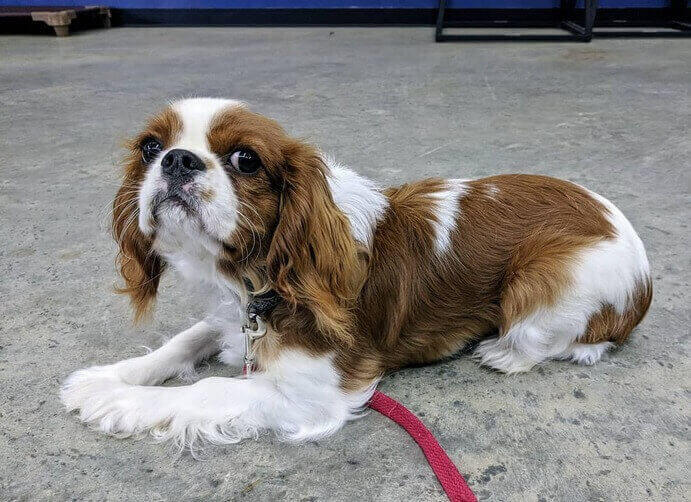
 

Top Reasons Why Do Dogs Snore: Understand Your Pet’s Noisy Nights

why do dogs snore

Top Reasons Why Do Dogs Snore: Understand Your Pet’s Noisy Nights

Does your furry friend sound like a tiny sawmill each night? You’re not alone! While it might elicit a chuckle at first, those nightly rumbles can leave you wondering why do dogs snore and if everything’s alright. After all, a good night’s sleep is crucial for both you and your furry companion.

This article dives into the top reasons why dogs snore, helping you understand what’s behind those noisy nights and ensure your pup is getting the best rest. We’ll go beyond just finding the source of the sound. By understanding the common causes of dog snoring, you’ll gain valuable insights into your pet’s health. From breed predisposition to temporary irritations, this article equips you with the knowledge to determine if your dog’s snoring is a cause for concern or simply a quirk. More importantly, we’ll provide tips on how to manage your dog’s snoring and ensure they’re getting the restful sleep they deserve.

So, whether you’re a seasoned dog owner or a new pet parent, this comprehensive guide will help you decipher your dog’s nightly noises and create a peaceful sleeping environment for everyone.

Why Do Dogs Snore? general overview of dog snoring

Snoring could be caused by various factors, such as the sleep position of the dog or nasal issues. Some dog breeds are more prone to snoring than others due to their anatomy. If your dog is snoring excessively or if the snoring problem seems to be worsening, it is important to have your veterinarian evaluate the situation. While snoring in dogs is often harmless, it could also indicate underlying health issues that need to be addressed.

Common Reasons Why Your Dog Snores

Your furry pet comes with all sorts of quirks, and sometimes, those quirks involve some interesting nighttime sounds. Dog snoring can be a common occurrence, but what causes it?  This guide explores the reasons behind your dog’s snoring. From certain breeds’ anatomy susceptible to snoring to excess weight to sleep position to more health-related concerns, this guide goes in-depth to give you valuable insight into your pet’s health and take action if necessary.

Is It Normal for Dogs to Snore?

For some dogs, snoring is absolutely normal! The reason behind this normalcy boils down to two main factors: anatomy and breed. Snoring in dogs can also be normal under specific circumstances, i.e., sleeping position.

Brachycephalic breeds with short snouts and flat faces, like Pugs and Bulldogs, are naturally prone to snoring due to their facial anatomy. Occasional and mild snoring, especially during deep sleep, is generally not a cause for concern. Sometimes, a dog’s sleep position can contribute to snoring. Sleeping on their back can cause the tongue to block the airway slightly, leading to those rumbling sounds.

So, if your dog snores occasionally, especially a breed known for it, there’s no need to worry. It’s simply the sound of their relaxed breathing!

How Breeds Play a Role in Dog Snoring

The term “brachycephalic” refers to breeds with shortened snouts and flat faces. These cuties, like Pugs, Bulldogs, Shih Tzus, and Boston Terriers are big-time snorers.

Brachycephalic breeds have several anatomical features that cause snoring:

  • Narrowed Airways: Their shortened snouts mean their airways are naturally narrower than those of other dogs. This creates more resistance to airflow, especially during sleep when muscles relax.
  • Elongated Soft Palate: The soft palate is the fleshy flap at the back of the roof of the mouth. In brachycephalic breeds, this soft palate tends to be longer. During sleep, this longer palate can vibrate against the back of the throat, causing the snoring sound.
  • Collapsed Nostrils: Some brachycephalic breeds also have narrowed nostrils which further restrict airflow.

While brachycephalic breeds are the most common snorers due to their extreme anatomy, breed can play a role in other ways too.  Some non-brachycephalic breeds, like Basset Hounds, can also snore due to:

  • Naturally Long Soft Palates: Even without a shortened snout, a long soft palate can still vibrate and cause snoring.
  • Narrow Nasal Passages: Certain breeds might have narrower nasal passages even with a longer snout, leading to some degree of snoring.

By understanding how breed plays a role in dog snoring, you can be a more informed pet parent. Remember, occasional mild snoring is often harmless in brachycephalic breeds. However, if your dog is snoring suddenly, is excessive, or accompanied by other symptoms like breathing difficulties, it could indicate a more serious condition like a respiratory infection. You should consult your veterinarian immediately to rule out any underlying health concerns.

Identifying the Causes of Dog Snoring

There are other factors that can cause your dog to snore. For example, many dogs may snore due to obesity, allergies, or respiratory issues. If your pet’s snoring has suddenly become louder or more frequent, it may be a sign that your dog needs to see a vet.

In some cases, an underlying medical condition could be the reason your dog starts snoring suddenly. Additionally, environmental factors such as dust or pollen can make your dog more prone to snoring.

A loud snore can also be a sign that your dog is experiencing difficulty breathing. Certain medications or allergies can also cause snoring in pets. It’s essential to identify the underlying reasons why your dog snores in order to address any potential health concerns. A dog that snores may benefit from weight management, allergy treatments, or changes in sleeping position to reduce snoring.

Understanding Respiratory Issues

Respiratory issues can create various obstacles, causing tissues to vibrate and produce the snoring sound. Here are some common culprits:

  • Inflammation: Allergies, kennel cough, or even inhaling irritants can inflame the tissues in the nose, throat, or airways. This swelling narrows the space for air to pass through, leading to snoring.
  • Foreign Objects: Curious pups might inhale objects like grass awns or small toys. These foreign objects can lodge themselves in the nasal passages, causing significant obstruction and snoring.
  • Nasal Mites: Microscopic mites living in the nasal passages can irritate the lining and cause inflammation, leading to congestion and snoring.
  • Tumors or Masses: In rare cases, growths in the nasal cavity or throat can obstruct airflow and cause snoring.

Potential Role of Allergies in Dog Snoring

Dogs can also suffer from allergies to various environmental triggers like pollen, dust mites, or mold. When a dog encounters an allergen, their immune system goes into overdrive, triggering an inflammatory response. This inflammation can affect various parts of the respiratory system, including the nose, throat and sinuses.

This allergic reaction creates a domino effect that leads to snoring:

  • Airway Obstruction: The inflamed and swollen tissues in the nose, throat, and sinuses obstruct the normal flow of air.
  • Increased Breathing Effort: The dog has to work harder to breathe, especially during sleep when muscles relax.
  • Tissue Vibration: The increased effort to breathe causes the narrowed airways and surrounding tissues to vibrate as air tries to pass through.
  • The Snoring: This vibration of tissues against each other produces the characteristic snoring sound.

Snoring isn’t the only sign your dog might be suffering from allergies. Some other signs to watch out for include reverse sneezing, itchy skin, water eyes, and constant pawing at the nose.

How to Help Your Dog Snore Less

Here are some tips to help your pup snore less and get a good night’s rest:

Addressing the Root Cause: With the many root causes of snoring, it’s best to consult your veterinarian. They can identify any potential underlying health problems like allergies, respiratory infections, or anatomical issues.

If allergies are the culprit, work with your vet to develop a management plan. This might involve allergy medications, minimizing exposure to triggers, or using air purifiers.

Excess weight can put a strain on your dog’s respiratory system and contribute to snoring. Talk to your vet about a healthy weight management plan for your pup.

Creating a Snore-Free Sleep Environment: If the culprit is the sleeping position, it’s as easy as creating a snore-free sleep environment for them. Propping your dog’s head up with a pillow or orthopedic bed to help keep their airways open. Encourage your dog to sleep on their side rather than their back. Sleeping on their back can cause the tongue to block the airway slightly, leading to snoring.

Dry air can also irritate nasal passages and worsen snoring. Consider using an air humidifier, especially in drier climates.

In addition, wash your dog’s bedding regularly to remove dust mites and allergens that can trigger allergies and contribute to snoring.

Lifestyle Changes: Exercise helps keep your dog healthy and can improve their overall respiratory function, potentially reducing snoring. Keep your dog away from smoke, dust, and other irritants that can inflame their airways and worsen snoring.

When to Seek Veterinary Advice for Dog Snoring

The tips above can help manage your dog’s snoring, but they are not a substitute for professional veterinary advice. If you’re concerned about your dog’s snoring, always consult your veterinarian to rule out any underlying health issues.

Is your precious pooch keeping you up at night with their symphony of snores? Believe it or not, dog training can be a powerful tool in the fight against doggy snores. Dog training is instrumental in weight management, calmer sleeping habits, and improved airway management. If you want to know how specialized positive reinforcement training methods can address the root causes of snoring and create a more peaceful sleep environment for everyone, contact us today to schedule a consultation!

Why Dogs Lick Their Paws: Unraveling the Mystery Behavior

why dogs lick their paws

Key Summary

  • Understanding the difference between normal licking and excessive licking habits is essential for recognizing potential issues with your dog’s paw health.
  • Common reasons behind dog paw licking include allergies, skin irritation, anxiety, boredom, and medical conditions.
  • To help overcome excessive licking, it’s important to address any underlying causes, provide mental and physical stimulation, and implement proper paw care practices.
  • Proper paw care, including regular inspections, cleaning, moisturizing, and nail trimming, is crucial for maintaining paw health and preventing excessive licking behavior.

Delving into The Curious Habit of Why Dogs Lick Their Paws

While it’s not uncommon to catch your dog indulging in a good paw-licking session, there’s often more to it than meets the eye. If you are wondering why dogs lick their paws, it can stem from a variety of reasons, ranging from perfectly normal grooming behavior to underlying health issues.

In some cases, dogs may lick their paws to clean them or soothe minor irritations, while excessive or obsessive licking could signal an underlying problem such as allergies, infections, anxiety, or even boredom.

So, is it normal for dogs to lick their paws? Well, yes and no. While occasional paw licking is typically harmless, persistent or excessive licking may warrant closer attention and intervention.

If you find yourself wondering how to put a stop to your dog’s incessant paw licking, fear not! There are plenty of at-home strategies you can try to help curb this behavior and keep your pup’s paws healthy and happy. From regularly cleaning and inspecting your dog’s paws for signs of irritation to providing plenty of mental and physical stimulation to keep them distracted, there’s no shortage of ways to address excessive paw licking.

Addressing any underlying health issues, such as food allergies or skin infections, with the guidance of your veterinarian can help get to the root of the problem and provide targeted treatment. So, next time you catch your furry friend doing this uncommon habit, rest assured that with a little understanding and proactive care, you can help keep their paws in tip-top shape!

When Paw Licking Becomes Excessive: Recognizing the Signs

Ever noticed your furry friend spending more time than usual licking their paws? While a bit of paw licking here and there is perfectly normal, excessive licking behavior is a sign that something is not right. When it becomes excessive, it may indicate an underlying issue that warrants attention.

Signs of excessive licking behavior include:
– persistent licking despite no visible injury
– redness or swelling on the paw pads
– hair loss or discoloration on the paws.

It’s important to give your dog a thorough examination to determine the underlying causes of excessive licking. It is important to address this habit promptly as prolonged excessive licking can lead to inflammation or even infections. Regularly checking your dog’s paws for any signs of irritation or redness ensure that their paws are in prime condition.

Common Reasons That Cause Your Dog to Lick their Paws

Dogs lick their paws for various reasons, and understanding these common causes can shed light on this curious behavior. One prevalent reason is allergies, whether to food, environmental allergens, or contact allergies from materials. Additionally, skin irritations or infections prompt prompting dogs to soothe discomfort through licking. Sometimes, boredom or anxiety may also drive dogs to lick their paws as a coping mechanism. By identifying these underlying reasons, pet owners can take proactive steps to address their furry friend’s paw licking and ensure their overall well-being.

Food Allergies

Food allergies can be a common culprit behind dogs licking their paws, with certain ingredients triggering allergic reactions in sensitive pups. Proteins in dog food like beef, chicken, or grains like wheat are frequent offenders, causing skin irritation and itchiness that prompt dogs to lick their paws for relief. To prevent paw licking due to food allergies, pet owners can opt for hypoallergenic diets formulated to exclude common allergens and consult with their veterinarian for guidance on suitable dietary choices.

Itchy Paws

Itchy paws can be a driving force behind dogs licking their paws, often stemming from various underlying factors such as allergies, parasites, or skin infections. Licking provides temporary relief by soothing the itchiness and discomfort caused by these conditions, creating a self-soothing mechanism for dogs.

Paw Pads

Paw pads serve as the protective cushions for a dog’s feet, but they can also be prone to irritation or injury, prompting dogs to lick their paws. Rough terrain, hot pavement, or harsh chemicals can cause discomfort or even minor injuries to the sensitive paw pads, leading to licking as a natural instinct to alleviate discomfort. Additionally, dry or cracked paw pads may also prompt licking behavior as dogs attempt to moisturize and soothe the affected area.

Causes of Excessive Paw Licking

Excessive paw licking in dogs can be a perplexing issue that leaves both pet owners and their furry friends feeling frustrated. While the occasional lick to clean or soothe a minor irritation is perfectly normal, persistent and excessive licking behavior can raise concerns.

So, how can you tell if your dog’s paw licking is crossing the line from routine grooming to a potential problem?

One telltale sign is when the licking becomes obsessive or interferes with your dog’s daily activities. If you notice your dog constantly licking their paws to the point of irritation or injury, it may be time to investigate further. Keep an eye out for signs of redness, swelling, or hair loss on the paw pads, as well as any changes in behavior such as restlessness or agitation.

While food allergies, itchy paws, and paw pad issues are common culprits behind excessive licking, there are other, less-discussed causes that can contribute to this behavior.

Anxiety and stress, for example, can manifest in dogs through repetitive behaviors like excessive licking as a way to self-soothe. Similarly, boredom can lead to over-grooming behaviors as dogs seek ways to occupy themselves. Infections such as yeast or bacterial infections can cause discomfort and prompt dogs to lick their paws in an attempt to alleviate the irritation.

By considering these less obvious factors and addressing any underlying issues, pet owners can help their furry companions find relief from excessive paw licking and enjoy a happier, healthier life.

How to Help Your Dog Prevent Paw Licking

Preventing paw licking in dogs requires a multifaceted approach that takes into account both the underlying causes and the behaviors contributing to the habit.

To begin, it’s essential to recognize the common symptoms of excessive licking behavior, such as persistent licking of the paws, redness or swelling on the paw pads, and changes in your dog’s behavior.

Once identified, addressing these symptoms involves a comprehensive endeavor that requires patience, understanding, and a whole lot of TLC. Firstly, consult with your veterinarian to rule out any underlying health issues, such as allergies or infections, and develop a tailored treatment plan.

Secondly, dog training can play a crucial role in overcoming the habit of excessive licking in dogs. Through training techniques such as positive reinforcement and redirection, pet owners can teach their furry companions alternative behaviors to replace excessive licking. Obedience training in particular can help dogs develop self-control and impulse management, making it easier for them to resist the urge to lick excessively.

These kinds of training provide plenty of mental and physical stimulation for your pup to prevent boredom and anxiety, which can contribute to excessive licking. Introducing alternative behaviors or distractions, such as interactive toys or puzzle feeders, can help redirect your dog’s attention away from their paws.

With consistent training and patience, you can help your furry friend overcome the habit of excessive paw licking and enjoy a happier, healthier life.

Proper Paw Care: Tips for Maintaining Healthy Paws and Avoiding Paw Licking in Dogs

Proper paw care is essential for maintaining the overall health and well-being of your furry friend. Just like humans, dogs rely on their paws for mobility and comfort, making it crucial to keep them in top condition. Regular paw care not only helps prevent issues like excessive paw licking but also reduces the risk of injuries, infections, and discomfort.

What steps can you take to ensure your dog’s paws stay healthy and happy?

Here is a simple checklist that you can follow and do regularly to keep your furry companion’s paws in tip-top shape:

1. Start by inspecting your dog’s paws for any signs of redness, swelling, or injury, and clean them gently with a mild soap and warm water if needed.

2. Clean your dog’s paws after walks or outdoor activities and make sure to remove any dirt, debris, and potential irritants. Use a pet-friendly soap and warm water for cleaning, and gently pat afterward to avoid moisture buildup.

3. Overgrown nails cause discomfort, affecting your dog’s gait, which in turn lead to paw licking as their way to alleviate the discomfort. Trim your dog’s nails to an appropriate length.

4. Moisturize your dog’s paw pads to keep them supple and well hydrated. Use a pet-safe balm or moisturizer to keep them hydrated and protected, applying regularly especially in the summer and winter.

5. Consider investing in paw-friendly footwear or paw wax for extra protection during outdoor activities. Protect your dog’s paws from extreme conditions as well, taking extra care during summers to walk them during cooler times of the day. And in the winter, looking out for ice and salt on the sidewalks that form residue in their paws.

By incorporating these simple yet effective practices into your routine, you can help your furry companion enjoy a lifetime of happy and healthy paw pads.

When to Seek Veterinary Assistance When Dog Lick Their Paws Excessively

If you suspect that your dog is showing signs of excessive paw licking, it’s essential to consult a veterinarian to rule out any underlying health issues. Your vet can perform diagnostic tests to determine the root cause of the licking behavior, such as allergy testing or skin scrapings to check for infections.

Once a diagnosis is made, your veterinarian can discuss treatment options and work with you to develop a comprehensive management plan tailored to your dog’s specific needs, ensuring they receive the best possible care and support.

Understanding and Addressing Dogs Who Lick their Paws Excessively and Promoting Dog Paw Health

While occasional paw licking is a natural behavior for dogs to groom themselves, excessive licking can indicate an underlying issue that requires attention. It’s essential to differentiate between normal licking and excessive licking habits by observing the frequency, duration, and intensity of the behavior. Excessive licking may lead to irritation, inflammation, and even injury to the paw pads, making it important to intervene early to prevent further complications.

Promoting paw health for your furry companion is key to preventing excessive licking and ensuring their comfort and happiness. Regular paw care, including inspections, cleaning, moisturizing, and nail trimming, can help maintain paw health and reduce the likelihood of irritation and discomfort that may lead to excessive licking.

In addition, providing mental and physical stimulation, addressing any underlying medical conditions, and consulting with your veterinarian as needed can all contribute to promoting paw health and preventing excessive licking behavior.

By prioritizing paw health and addressing any issues promptly, you can help your furry friend enjoy a lifetime of happy and healthy paws.