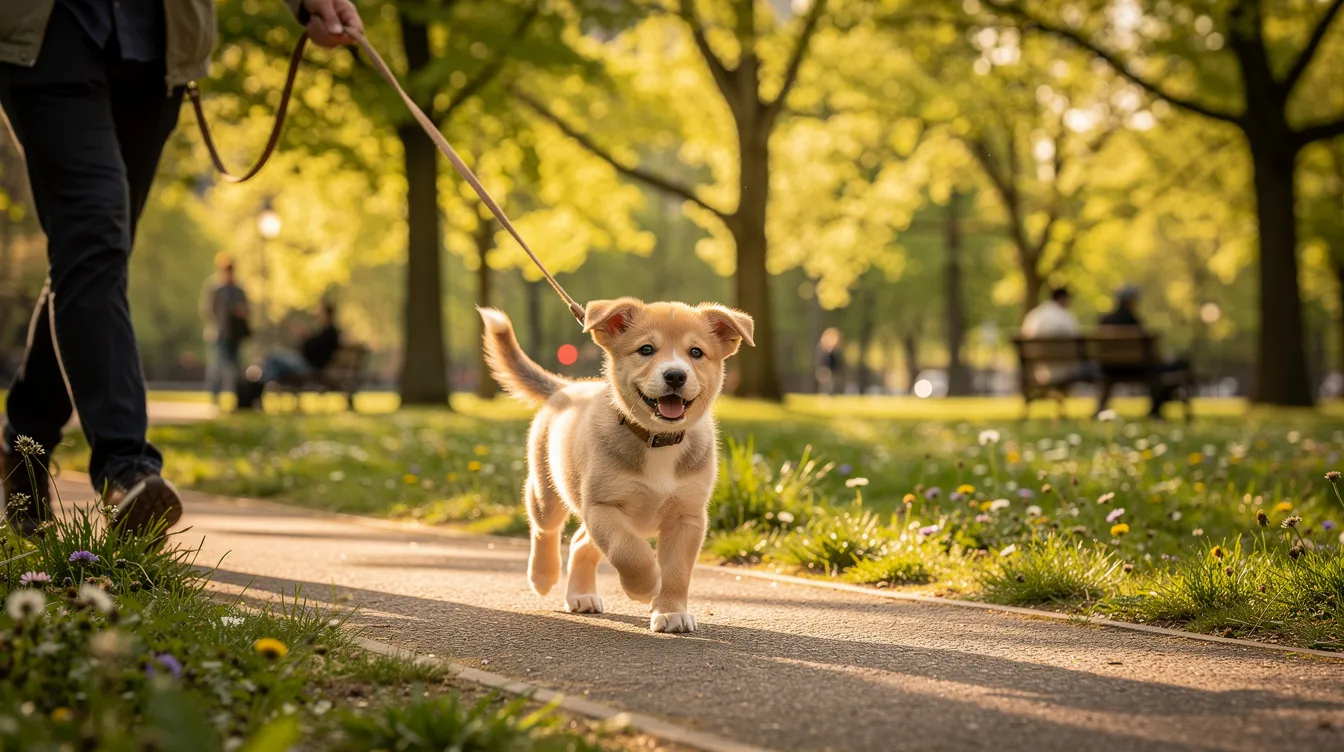
When Should a Puppy Start Leash Training? A Simple Guide for New Dog Owners

Off leash K9 Toledo training teaches food impulse control

Key Takeaways

  • You can introduce a collar and lightweight leash as early as 8 weeks, with actual leash training starting around 8–10 weeks in very short indoor sessions.
  • Early work focuses on calm exposure, following, and creating positive associations rather than perfect heel or long walks.
  • Most puppies are ready to practice outside in low-distraction areas by 12–16 weeks, once vaccinations are underway and they are comfortable wearing the gear.
  • Starting too late often allows pulling, lunging, and leash frustration to become habits that are harder to fix.
  • Professional help is useful if your puppy shows fear, constant pulling, or you feel overwhelmed by the training process.

Why Starting Leash Training Early Sets Your Puppy Up for Success

When should you start leash training a puppy? Many new dog owners wonder this because leash training is essential for everyday walks, vet visits, and your puppy’s safety.

Puppies don’t instinctively know what a leash is or how to walk on one. Starting leash training early builds good habits and prevents problems like pulling or lunging. It also keeps your puppy safe in public spaces where unleashed dogs can face dangers or cause accidents.

The secret is focusing on timing and a gentle approach, not rushing for perfection. Early positive leash experiences help your puppy feel confident and eager to learn. This guide covers the best age to start, how to begin stress-free, common mistakes to avoid, and when to seek extra help.

Starting leash training early and making it fun sets the foundation for happy walks and a strong bond with your puppy.

Most puppies can begin leash exposure around 8–10 weeks, right after settling into their new home. You can introduce a collar and leash as early as 8 weeks to create positive associations.

Early leash training means short, indoor or secure yard sessions, not full walks. More structured outdoor practice begins around 12–16 weeks, once vaccinations are underway. Until then, keep your puppy safe indoors or in your yard.

Signs your puppy is ready include:

  • Comfortably wearing a collar or harness without fuss
  • Following you naturally around the house
  • Responding to their name
  • Showing curiosity beyond their crate or playpen
  • Briefly focusing on you despite mild distractions

Puppies introduced to leashes early adapt better to new experiences. However, shy or fearful puppies may need extra time bonding indoors before leash pressure is added. Forcing them too soon can cause negative associations with the leash.

How to Start Leash Training the Right Way

A calm, step-by-step approach builds confidence without stress. Begin indoors or in a quiet area with minimal distractions and no pressure for perfect walking.

Use a lightweight leash (4–6 feet) and a flat collar or well-fitted front clip harness. Avoid retractable leashes early on. The harness should fit snugly, allowing two fingers between it and the puppy’s skin.

Focus on simple “follow me” steps:

  1. Take a step
  2. Reward when the puppy follows
  3. Repeat

Keep sessions 2–5 minutes, several times a day, ending before the puppy tires or gets frustrated. Pair leash practice with feeding or short play to keep it fun.

Indoor Foundations: First Leash Sessions

Clip the leash on while the puppy is calm, offer treats, and let them move naturally. Let the puppy drag the leash briefly under supervision to normalize it. Then encourage following by walking backward, calling the puppy, and rewarding when they come.

Focus on engagement and movement, not perfect heel or ignoring distractions. Keep sessions short and upbeat.

Making Leash Pressure Positive

Leash pressure is the slight tension felt when the leash tightens. Teach your puppy that gentle pressure means “move with me” by:

  1. Applying slight tension
  2. Waiting for the puppy to step toward you
  3. Releasing tension and rewarding

Use treats or praise to encourage walking beside you. Avoid jerking or dragging, which can cause fear or discomfort. Mix leash pressure work with fun games to keep motivation high.

Common Mistakes to Avoid in Early Leash Training

Avoid these common pitfalls:

  • Starting in overwhelming, noisy environments
  • Expecting perfect walks too soon
  • Allowing pulling to be rewarding—stop walking when pulling occurs, then resume once the leash is slack
  • Inconsistent handling among family members
  • Using retractable leashes, which encourage pulling and tension
  • Ignoring leash biting—stop movement and redirect attention with treats or toys

How Leash Training Progresses as Your Puppy Grows

Leash training is a months-long progression from basic exposure to calm walking around real-world distractions. Here’s an age-based roadmap:

Age Range Focus Areas
8–12 weeks Equipment comfort, following indoors, positive associations
3–4 months Short outdoor practice in quiet areas, fully vaccinated status approaching
4–6 months More structured loose leash walking, gradual distraction introduction
6–18 months Adolescent phase, may require return to focused sessions

Move from the living room to the yard, then to quiet streets or parks, only increasing difficulty when the puppy is successful at the current level. Consistency matters: similar rules for every puppy walk, using the same cues, and rewarding the same good behavior across days and weeks.

As adolescence hits (often 6–18 months), puppies may temporarily test boundaries again. Return to short, focused training sessions if manners slip. This is completely normal.

Introducing Distractions Safely

Add distractions in layers to encourage good behavior without overwhelming your pup:

  • First, a quieter sidewalk at off-peak times
  • Then slightly busier routes
  • Finally, new locations like trails or outdoor areas

Use higher-value rewards (small pieces of chicken or cheese) in more challenging and stimulating environments to keep the puppy focused. If the puppy pulls, freezes, or fixates on something, decrease difficulty by increasing distance or choosing a calmer location.

Sniffy walks can be used as rewards. Walking nicely for a short stretch earns a cue and permission to sniff a specific area at their own pace. These breaks are mentally stimulating and help the puppy walk calmly knowing exploration comes with good behavior.

Puppies may only be off-leash in designated areas once they are fully vaccinated and properly socialized. Toledo law requires a physical leash or harness; voice control and e-collars do not legally replace a physical leash in public areas.

When to Get Extra Help with Leash Training

Struggling with leash training is common and not a sign of failure for you or the puppy. Many owners benefit from working with a professional trainer who can assess the situation and create a custom plan.

Signs that professional coaching could help:

  • Constant strong pulling despite weeks of consistent practice
  • Frequent leash biting that doesn’t respond to redirection
  • The puppy refusing to move despite patient practice
  • Barking, lunging at other dogs or people
  • Intense fear of going outside or new environments

Lunging on the leash is another common problem, and it can be managed by stopping and waiting for the puppy to calm down before rewarding them with treats and praise. But if this behavior persists, outside guidance helps.

A professional trainer can assess the puppy’s body language, temperament, the handler’s technique, and the home environment. Busy owners or those with physically strong breeds may benefit from structured lessons or more intensive programs to build distraction-proof leash skills.

Note that all dogs over 3 months of age must be registered and wear their valid license tag at all times according to Lucas County Canine Care & Control. House training and leash and collar basics should be established early.

Conclusion

Starting leash training your puppy early, around 8–10 weeks, with gentle, enjoyable sessions sets the stage for confident, happy walks. Those first indoor steps grow into smooth neighborhood strolls through patience and consistency.

Keep sessions short and positive, progressing from quiet indoor spaces to more stimulating outdoor environments. This helps your puppy develop good manners, stay safe, and get necessary exercise.

If you feel stuck or overwhelmed, reach out to a professional trainer. Early support makes the process smoother and more enjoyable for both you and your puppy. Starting leash training right and asking for help builds a strong foundation for years of joyful walks together.

FAQ

These questions cover practical concerns not fully addressed in the main sections. Each answer is brief and actionable so new puppy owners can move forward with confidence.

Can I leash train my puppy before they are fully vaccinated?

It is safe and beneficial to start leash training indoors and in a secure private yard as early as 8 weeks. Public spaces with unknown dog traffic should wait until your veterinarian confirms the puppy’s core vaccines are well underway, often around 12–16 weeks. Ask your vet for location-specific guidance on safe outdoor exposure during the vaccine series for your area.

How long should each leash training session be for a young puppy?

Keep sessions very short for puppies under 4 months, typically 2–5 minutes with a few repetitions, several times a day. Ending while the puppy learns and is still engaged prevents burnout and keeps training fun. Older puppies and adolescents can handle slightly longer sessions, but breaks and play should still be included. This early introduction approach builds skills without overwhelming short attention spans.

What type of leash and collar or harness is best for starting out?

Use a simple 4–6 foot standard leash made of nylon or leather. Avoid retractable leashes for early training as they give the puppy more freedom to pull. A flat collar or well-fitted harness that allows two fingers between the material and the puppy’s skin works best. Some puppies do better in a front clip harness if already inclined to pull. Check fit regularly as the puppy grows and consider trying a long line for recall practice in secure areas.

Should I use treats every time I walk my puppy on leash?

Frequent food rewards are very helpful in the early stages to create positive associations with the leash and walking near you. Gradually space out treat rewards as skills improve while still using praise and occasional food to encourage good behavior. Structured sniff breaks or short play sessions can also serve as powerful rewards during walks, keeping things mentally stimulating.

What if my puppy lies down or refuses to move on the leash?

Freezing is a normal reaction for some puppies when they first feel leash pressure or encounter the outside world. Use gentle encouragement: crouch down, call the puppy cheerfully, and offer a treat close to the nose to lure a few steps forward. Stay calm and avoid dragging or scolding. If the puppy repeatedly shuts down, return to easier environments and consider professional guidance to address common challenges before they become lasting habits.

Top Reasons Why Do Dogs Snore: Understand Your Pet’s Noisy Nights
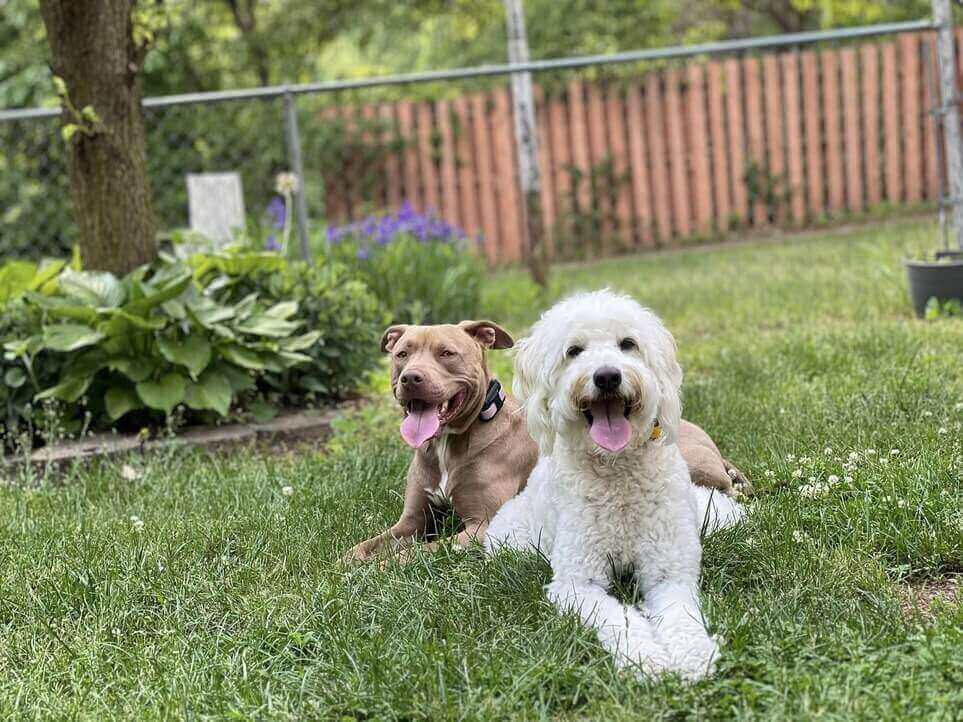
why do dogs snore

Top Reasons Why Do Dogs Snore: Understand Your Pet’s Noisy Nights

Does your furry friend sound like a tiny sawmill each night? You’re not alone! While it might elicit a chuckle at first, those nightly rumbles can leave you wondering why do dogs snore and if everything’s alright. After all, a good night’s sleep is crucial for both you and your furry companion.

This article dives into the top reasons why dogs snore, helping you understand what’s behind those noisy nights and ensure your pup is getting the best rest. We’ll go beyond just finding the source of the sound. By understanding the common causes of dog snoring, you’ll gain valuable insights into your pet’s health. From breed predisposition to temporary irritations, this article equips you with the knowledge to determine if your dog’s snoring is a cause for concern or simply a quirk. More importantly, we’ll provide tips on how to manage your dog’s snoring and ensure they’re getting the restful sleep they deserve.

So, whether you’re a seasoned dog owner or a new pet parent, this comprehensive guide will help you decipher your dog’s nightly noises and create a peaceful sleeping environment for everyone.

Why Do Dogs Snore? general overview of dog snoring

Snoring could be caused by various factors, such as the sleep position of the dog or nasal issues. Some dog breeds are more prone to snoring than others due to their anatomy. If your dog is snoring excessively or if the snoring problem seems to be worsening, it is important to have your veterinarian evaluate the situation. While snoring in dogs is often harmless, it could also indicate underlying health issues that need to be addressed.

Common Reasons Why Your Dog Snores

Your furry pet comes with all sorts of quirks, and sometimes, those quirks involve some interesting nighttime sounds. Dog snoring can be a common occurrence, but what causes it?  This guide explores the reasons behind your dog’s snoring. From certain breeds’ anatomy susceptible to snoring to excess weight to sleep position to more health-related concerns, this guide goes in-depth to give you valuable insight into your pet’s health and take action if necessary.

Is It Normal for Dogs to Snore?

For some dogs, snoring is absolutely normal! The reason behind this normalcy boils down to two main factors: anatomy and breed. Snoring in dogs can also be normal under specific circumstances, i.e., sleeping position.

Brachycephalic breeds with short snouts and flat faces, like Pugs and Bulldogs, are naturally prone to snoring due to their facial anatomy. Occasional and mild snoring, especially during deep sleep, is generally not a cause for concern. Sometimes, a dog’s sleep position can contribute to snoring. Sleeping on their back can cause the tongue to block the airway slightly, leading to those rumbling sounds.

So, if your dog snores occasionally, especially a breed known for it, there’s no need to worry. It’s simply the sound of their relaxed breathing!

How Breeds Play a Role in Dog Snoring

The term “brachycephalic” refers to breeds with shortened snouts and flat faces. These cuties, like Pugs, Bulldogs, Shih Tzus, and Boston Terriers are big-time snorers.

Brachycephalic breeds have several anatomical features that cause snoring:

  • Narrowed Airways: Their shortened snouts mean their airways are naturally narrower than those of other dogs. This creates more resistance to airflow, especially during sleep when muscles relax.
  • Elongated Soft Palate: The soft palate is the fleshy flap at the back of the roof of the mouth. In brachycephalic breeds, this soft palate tends to be longer. During sleep, this longer palate can vibrate against the back of the throat, causing the snoring sound.
  • Collapsed Nostrils: Some brachycephalic breeds also have narrowed nostrils which further restrict airflow.

While brachycephalic breeds are the most common snorers due to their extreme anatomy, breed can play a role in other ways too.  Some non-brachycephalic breeds, like Basset Hounds, can also snore due to:

  • Naturally Long Soft Palates: Even without a shortened snout, a long soft palate can still vibrate and cause snoring.
  • Narrow Nasal Passages: Certain breeds might have narrower nasal passages even with a longer snout, leading to some degree of snoring.

By understanding how breed plays a role in dog snoring, you can be a more informed pet parent. Remember, occasional mild snoring is often harmless in brachycephalic breeds. However, if your dog is snoring suddenly, is excessive, or accompanied by other symptoms like breathing difficulties, it could indicate a more serious condition like a respiratory infection. You should consult your veterinarian immediately to rule out any underlying health concerns.

Identifying the Causes of Dog Snoring

There are other factors that can cause your dog to snore. For example, many dogs may snore due to obesity, allergies, or respiratory issues. If your pet’s snoring has suddenly become louder or more frequent, it may be a sign that your dog needs to see a vet.

In some cases, an underlying medical condition could be the reason your dog starts snoring suddenly. Additionally, environmental factors such as dust or pollen can make your dog more prone to snoring.

A loud snore can also be a sign that your dog is experiencing difficulty breathing. Certain medications or allergies can also cause snoring in pets. It’s essential to identify the underlying reasons why your dog snores in order to address any potential health concerns. A dog that snores may benefit from weight management, allergy treatments, or changes in sleeping position to reduce snoring.

Understanding Respiratory Issues

Respiratory issues can create various obstacles, causing tissues to vibrate and produce the snoring sound. Here are some common culprits:

  • Inflammation: Allergies, kennel cough, or even inhaling irritants can inflame the tissues in the nose, throat, or airways. This swelling narrows the space for air to pass through, leading to snoring.
  • Foreign Objects: Curious pups might inhale objects like grass awns or small toys. These foreign objects can lodge themselves in the nasal passages, causing significant obstruction and snoring.
  • Nasal Mites: Microscopic mites living in the nasal passages can irritate the lining and cause inflammation, leading to congestion and snoring.
  • Tumors or Masses: In rare cases, growths in the nasal cavity or throat can obstruct airflow and cause snoring.

Potential Role of Allergies in Dog Snoring

Dogs can also suffer from allergies to various environmental triggers like pollen, dust mites, or mold. When a dog encounters an allergen, their immune system goes into overdrive, triggering an inflammatory response. This inflammation can affect various parts of the respiratory system, including the nose, throat and sinuses.

This allergic reaction creates a domino effect that leads to snoring:

  • Airway Obstruction: The inflamed and swollen tissues in the nose, throat, and sinuses obstruct the normal flow of air.
  • Increased Breathing Effort: The dog has to work harder to breathe, especially during sleep when muscles relax.
  • Tissue Vibration: The increased effort to breathe causes the narrowed airways and surrounding tissues to vibrate as air tries to pass through.
  • The Snoring: This vibration of tissues against each other produces the characteristic snoring sound.

Snoring isn’t the only sign your dog might be suffering from allergies. Some other signs to watch out for include reverse sneezing, itchy skin, water eyes, and constant pawing at the nose.

How to Help Your Dog Snore Less

Here are some tips to help your pup snore less and get a good night’s rest:

Addressing the Root Cause: With the many root causes of snoring, it’s best to consult your veterinarian. They can identify any potential underlying health problems like allergies, respiratory infections, or anatomical issues.

If allergies are the culprit, work with your vet to develop a management plan. This might involve allergy medications, minimizing exposure to triggers, or using air purifiers.

Excess weight can put a strain on your dog’s respiratory system and contribute to snoring. Talk to your vet about a healthy weight management plan for your pup.

Creating a Snore-Free Sleep Environment: If the culprit is the sleeping position, it’s as easy as creating a snore-free sleep environment for them. Propping your dog’s head up with a pillow or orthopedic bed to help keep their airways open. Encourage your dog to sleep on their side rather than their back. Sleeping on their back can cause the tongue to block the airway slightly, leading to snoring.

Dry air can also irritate nasal passages and worsen snoring. Consider using an air humidifier, especially in drier climates.

In addition, wash your dog’s bedding regularly to remove dust mites and allergens that can trigger allergies and contribute to snoring.

Lifestyle Changes: Exercise helps keep your dog healthy and can improve their overall respiratory function, potentially reducing snoring. Keep your dog away from smoke, dust, and other irritants that can inflame their airways and worsen snoring.

When to Seek Veterinary Advice for Dog Snoring

The tips above can help manage your dog’s snoring, but they are not a substitute for professional veterinary advice. If you’re concerned about your dog’s snoring, always consult your veterinarian to rule out any underlying health issues.

Is your precious pooch keeping you up at night with their symphony of snores? Believe it or not, dog training can be a powerful tool in the fight against doggy snores. Dog training is instrumental in weight management, calmer sleeping habits, and improved airway management. If you want to know how specialized positive reinforcement training methods can address the root causes of snoring and create a more peaceful sleep environment for everyone, contact us today to schedule a consultation!

Why Dogs Lick Their Paws: Unraveling the Mystery Behavior
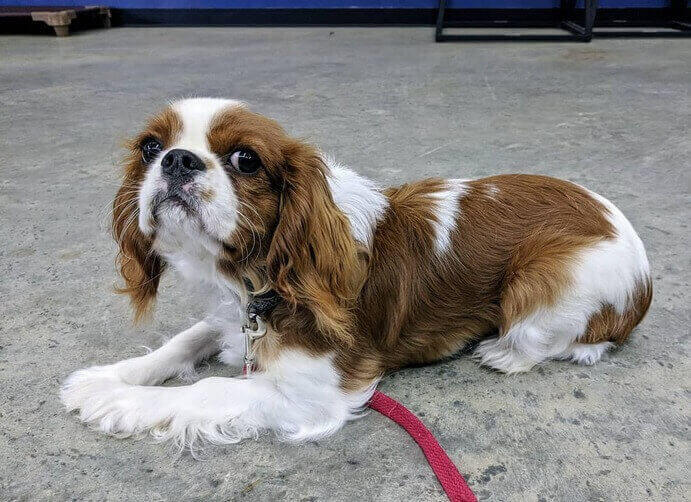
why dogs lick their paws

Key Summary

  • Understanding the difference between normal licking and excessive licking habits is essential for recognizing potential issues with your dog’s paw health.
  • Common reasons behind dog paw licking include allergies, skin irritation, anxiety, boredom, and medical conditions.
  • To help overcome excessive licking, it’s important to address any underlying causes, provide mental and physical stimulation, and implement proper paw care practices.
  • Proper paw care, including regular inspections, cleaning, moisturizing, and nail trimming, is crucial for maintaining paw health and preventing excessive licking behavior.

Delving into The Curious Habit of Why Dogs Lick Their Paws

While it’s not uncommon to catch your dog indulging in a good paw-licking session, there’s often more to it than meets the eye. If you are wondering why dogs lick their paws, it can stem from a variety of reasons, ranging from perfectly normal grooming behavior to underlying health issues.

In some cases, dogs may lick their paws to clean them or soothe minor irritations, while excessive or obsessive licking could signal an underlying problem such as allergies, infections, anxiety, or even boredom.

So, is it normal for dogs to lick their paws? Well, yes and no. While occasional paw licking is typically harmless, persistent or excessive licking may warrant closer attention and intervention.

If you find yourself wondering how to put a stop to your dog’s incessant paw licking, fear not! There are plenty of at-home strategies you can try to help curb this behavior and keep your pup’s paws healthy and happy. From regularly cleaning and inspecting your dog’s paws for signs of irritation to providing plenty of mental and physical stimulation to keep them distracted, there’s no shortage of ways to address excessive paw licking.

Addressing any underlying health issues, such as food allergies or skin infections, with the guidance of your veterinarian can help get to the root of the problem and provide targeted treatment. So, next time you catch your furry friend doing this uncommon habit, rest assured that with a little understanding and proactive care, you can help keep their paws in tip-top shape!

When Paw Licking Becomes Excessive: Recognizing the Signs

Ever noticed your furry friend spending more time than usual licking their paws? While a bit of paw licking here and there is perfectly normal, excessive licking behavior is a sign that something is not right. When it becomes excessive, it may indicate an underlying issue that warrants attention.

Signs of excessive licking behavior include:
– persistent licking despite no visible injury
– redness or swelling on the paw pads
– hair loss or discoloration on the paws.

It’s important to give your dog a thorough examination to determine the underlying causes of excessive licking. It is important to address this habit promptly as prolonged excessive licking can lead to inflammation or even infections. Regularly checking your dog’s paws for any signs of irritation or redness ensure that their paws are in prime condition.

Common Reasons That Cause Your Dog to Lick their Paws

Dogs lick their paws for various reasons, and understanding these common causes can shed light on this curious behavior. One prevalent reason is allergies, whether to food, environmental allergens, or contact allergies from materials. Additionally, skin irritations or infections prompt prompting dogs to soothe discomfort through licking. Sometimes, boredom or anxiety may also drive dogs to lick their paws as a coping mechanism. By identifying these underlying reasons, pet owners can take proactive steps to address their furry friend’s paw licking and ensure their overall well-being.

Food Allergies

Food allergies can be a common culprit behind dogs licking their paws, with certain ingredients triggering allergic reactions in sensitive pups. Proteins in dog food like beef, chicken, or grains like wheat are frequent offenders, causing skin irritation and itchiness that prompt dogs to lick their paws for relief. To prevent paw licking due to food allergies, pet owners can opt for hypoallergenic diets formulated to exclude common allergens and consult with their veterinarian for guidance on suitable dietary choices.

Itchy Paws

Itchy paws can be a driving force behind dogs licking their paws, often stemming from various underlying factors such as allergies, parasites, or skin infections. Licking provides temporary relief by soothing the itchiness and discomfort caused by these conditions, creating a self-soothing mechanism for dogs.

Paw Pads

Paw pads serve as the protective cushions for a dog’s feet, but they can also be prone to irritation or injury, prompting dogs to lick their paws. Rough terrain, hot pavement, or harsh chemicals can cause discomfort or even minor injuries to the sensitive paw pads, leading to licking as a natural instinct to alleviate discomfort. Additionally, dry or cracked paw pads may also prompt licking behavior as dogs attempt to moisturize and soothe the affected area.

Causes of Excessive Paw Licking

Excessive paw licking in dogs can be a perplexing issue that leaves both pet owners and their furry friends feeling frustrated. While the occasional lick to clean or soothe a minor irritation is perfectly normal, persistent and excessive licking behavior can raise concerns.

So, how can you tell if your dog’s paw licking is crossing the line from routine grooming to a potential problem?

One telltale sign is when the licking becomes obsessive or interferes with your dog’s daily activities. If you notice your dog constantly licking their paws to the point of irritation or injury, it may be time to investigate further. Keep an eye out for signs of redness, swelling, or hair loss on the paw pads, as well as any changes in behavior such as restlessness or agitation.

While food allergies, itchy paws, and paw pad issues are common culprits behind excessive licking, there are other, less-discussed causes that can contribute to this behavior.

Anxiety and stress, for example, can manifest in dogs through repetitive behaviors like excessive licking as a way to self-soothe. Similarly, boredom can lead to over-grooming behaviors as dogs seek ways to occupy themselves. Infections such as yeast or bacterial infections can cause discomfort and prompt dogs to lick their paws in an attempt to alleviate the irritation.

By considering these less obvious factors and addressing any underlying issues, pet owners can help their furry companions find relief from excessive paw licking and enjoy a happier, healthier life.

How to Help Your Dog Prevent Paw Licking

Preventing paw licking in dogs requires a multifaceted approach that takes into account both the underlying causes and the behaviors contributing to the habit.

To begin, it’s essential to recognize the common symptoms of excessive licking behavior, such as persistent licking of the paws, redness or swelling on the paw pads, and changes in your dog’s behavior.

Once identified, addressing these symptoms involves a comprehensive endeavor that requires patience, understanding, and a whole lot of TLC. Firstly, consult with your veterinarian to rule out any underlying health issues, such as allergies or infections, and develop a tailored treatment plan.

Secondly, dog training can play a crucial role in overcoming the habit of excessive licking in dogs. Through training techniques such as positive reinforcement and redirection, pet owners can teach their furry companions alternative behaviors to replace excessive licking. Obedience training in particular can help dogs develop self-control and impulse management, making it easier for them to resist the urge to lick excessively.

These kinds of training provide plenty of mental and physical stimulation for your pup to prevent boredom and anxiety, which can contribute to excessive licking. Introducing alternative behaviors or distractions, such as interactive toys or puzzle feeders, can help redirect your dog’s attention away from their paws.

With consistent training and patience, you can help your furry friend overcome the habit of excessive paw licking and enjoy a happier, healthier life.

Proper Paw Care: Tips for Maintaining Healthy Paws and Avoiding Paw Licking in Dogs

Proper paw care is essential for maintaining the overall health and well-being of your furry friend. Just like humans, dogs rely on their paws for mobility and comfort, making it crucial to keep them in top condition. Regular paw care not only helps prevent issues like excessive paw licking but also reduces the risk of injuries, infections, and discomfort.

What steps can you take to ensure your dog’s paws stay healthy and happy?

Here is a simple checklist that you can follow and do regularly to keep your furry companion’s paws in tip-top shape:

1. Start by inspecting your dog’s paws for any signs of redness, swelling, or injury, and clean them gently with a mild soap and warm water if needed.

2. Clean your dog’s paws after walks or outdoor activities and make sure to remove any dirt, debris, and potential irritants. Use a pet-friendly soap and warm water for cleaning, and gently pat afterward to avoid moisture buildup.

3. Overgrown nails cause discomfort, affecting your dog’s gait, which in turn lead to paw licking as their way to alleviate the discomfort. Trim your dog’s nails to an appropriate length.

4. Moisturize your dog’s paw pads to keep them supple and well hydrated. Use a pet-safe balm or moisturizer to keep them hydrated and protected, applying regularly especially in the summer and winter.

5. Consider investing in paw-friendly footwear or paw wax for extra protection during outdoor activities. Protect your dog’s paws from extreme conditions as well, taking extra care during summers to walk them during cooler times of the day. And in the winter, looking out for ice and salt on the sidewalks that form residue in their paws.

By incorporating these simple yet effective practices into your routine, you can help your furry companion enjoy a lifetime of happy and healthy paw pads.

When to Seek Veterinary Assistance When Dog Lick Their Paws Excessively

If you suspect that your dog is showing signs of excessive paw licking, it’s essential to consult a veterinarian to rule out any underlying health issues. Your vet can perform diagnostic tests to determine the root cause of the licking behavior, such as allergy testing or skin scrapings to check for infections.

Once a diagnosis is made, your veterinarian can discuss treatment options and work with you to develop a comprehensive management plan tailored to your dog’s specific needs, ensuring they receive the best possible care and support.

Understanding and Addressing Dogs Who Lick their Paws Excessively and Promoting Dog Paw Health

While occasional paw licking is a natural behavior for dogs to groom themselves, excessive licking can indicate an underlying issue that requires attention. It’s essential to differentiate between normal licking and excessive licking habits by observing the frequency, duration, and intensity of the behavior. Excessive licking may lead to irritation, inflammation, and even injury to the paw pads, making it important to intervene early to prevent further complications.

Promoting paw health for your furry companion is key to preventing excessive licking and ensuring their comfort and happiness. Regular paw care, including inspections, cleaning, moisturizing, and nail trimming, can help maintain paw health and reduce the likelihood of irritation and discomfort that may lead to excessive licking.

In addition, providing mental and physical stimulation, addressing any underlying medical conditions, and consulting with your veterinarian as needed can all contribute to promoting paw health and preventing excessive licking behavior.

By prioritizing paw health and addressing any issues promptly, you can help your furry friend enjoy a lifetime of happy and healthy paws.