Key Takeaways
- Dog recall training is a safety skill, not just a trick, and is important before giving your dog more freedom in safe, legal, and controlled environments.
- Reliable recall starts in quiet, low-distraction areas like your house or fenced yard and only progresses to busier settings after your dog succeeds consistently.
- High-value treats, clear recall cues, and a long line are key tools for building a strong, dependable recall.
- Always reward your dog when they come back to you, and avoid using the recall cue only when it is time to end fun activities.
- If your dog will not come when called around distractions, structured practice and sometimes professional help are needed to build reliability.
Introduction
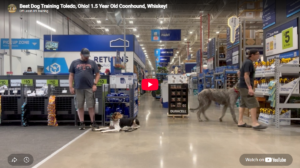
At Off Leash K9 Training Toledo, recall training is approached as part of building better obedience, clearer communication, and safer handling around real-world distractions.
Dog recall training is one of the most valuable skills you can teach your pup. At its core, recall means your dog’s ability to come when called, even when there are people, other dogs, wildlife, and interesting smells nearby. This is not a trick you teach once and forget. Building reliable recall takes time, patience, and gradual exposure to distractions across many practice sessions.
The good news is that dogs of any age can improve their recall with consistent training. Whether you have a young pup or an older dog who has developed some bad habits, the principles remain the same. Start simple, build slowly, and reward generously.
Why Dog Recall Training Matters
Recall ranks as one of the most important obedience skills because it can help protect your dog in unexpected situations. Reliable recall means your dog has been trained to come when called with strong consistency, even though no dog can be guaranteed to respond perfectly in every environment.
Consider the real-world situations where recall matters:
- Your dog slips out the front door and heads toward busy roads
- A squirrel catches your dog’s attention during an off lead walk
- An unfamiliar dog approaches and you need to call your dog away quickly
- Your pup finds something dangerous to eat at the dog park
Without solid recall, these scenarios can create serious safety risks, especially near roads, unfamiliar dogs, wildlife, or busy public spaces. While recall should never replace safe handling or local leash laws, it can give owners an important layer of control when unexpected situations happen. For dogs that need stronger everyday obedience, professional dog obedience training can help build the foundation for better recall, focus, and control around distractions.
Beyond safety, recall is a relationship skill. When your dog learns that checking in with you leads to praise, a tasty treat, or continued play, they start to see you as the most rewarding part of any environment. This builds trust and strengthens your bond, making all other training easier.
Why Dogs Ignore Recall Around Distractions
When your dog does not respond to your recall cue, it does not mean they are stubborn or defiant. In most cases, your dog is simply overwhelmed by the environment or has not been trained to handle that level of distraction yet.
Dogs may get distracted by other animals or scents, making consistent practice important for reliability. Common distractions that compete for your dog’s attention include:
- Other dogs inviting play
- A person walking by with food
- A squirrel darting across the path
- Strong smells from trash or other animals
- Moving objects like bikes or joggers
Dogs repeat behaviors that have been rewarding in the past. If chasing a squirrel or greeting another dog has paid off more than coming when called, recall will be weak. The whole world offers competing rewards, and your recall cue has to matter more.
Another common issue is a weak or unclear recall cue. If you repeat “come” many times without follow-through, reward, or clear meaning, your dog may learn that the word is optional. A recall cue should be used carefully, rewarded consistently, and practiced at a level where your dog can succeed.
Many owners also find their dog has great recall in the house but fails outside. This usually means the training did not progress through gradual distraction levels. Your dog simply has not learned that the cue applies everywhere.
How to Build a Strong Recall Foundation
Solid recall starts in quiet, controlled environments where your dog can succeed every time. To teach your dog to recall, start in a low-distraction environment, use a favorite toy or treat to encourage them to come, and reward them when they do. This could be your living room, a quiet yard, or any space without competing stimuli.
Choosing Your Recall Cue
Establish a distinct word for the recall command, avoiding the dog’s name as it is used too frequently. Words like “Here” or “Come” work well. Keep verbal cues concise and distinct, using commands like “come” or a specific whistle sound. Pick one cue and stick with it.
To train a dog to come when called, building a strong positive association with the recall cue is essential. Here is a simple process:
- Wait for your dog to wander a few feet away
- Say their name to get eye contact
- Give your recall cue once in an upbeat voice
- Move backward enthusiastically to encourage chase
- When they arrive, calmly reward them and gently touch their collar or harness if they are comfortable with that handling.
- Release them to go play again
Use high-value rewards often during recall training, especially when your dog is learning or working around distractions. Soft treats, praise, or a favorite toy can help make coming back to you more rewarding than whatever has your dog’s attention.
Keep sessions short. Five to ten repetitions, three times per day, builds enthusiasm without wearing out your pup’s attention. Only use your recall cue when you are confident your dog will respond and you are ready to reward them immediately.
How to Practice Recall Around Distractions
Once your dog responds reliably at home, it is time to slowly introduce distractions. The key is gradual progression so your dog keeps succeeding while learning to listen in real-life situations.
Using a Long Line
Using a long line during recall training allows dogs to explore while still being under control, providing a safety net if they do not respond immediately to commands. Long lines typically range from 15 to 30 feet in length, giving dogs enough freedom to move while still allowing owners to maintain control during training sessions.
Attach the long leash to a secure harness rather than a collar to protect your dog’s neck. Practicing recall on a long line involves gradually increasing the distance and distractions, ensuring that the dog learns to respond reliably before being allowed off-leash.
Distraction Progression
Follow this general progression:
| Stage | Environment | Distraction Level |
| 1 | Quiet fenced yard | Minimal |
| 2 | Empty park at dawn | Low |
| 3 | Park with distant dogs | Moderate |
| 4 | Controlled public area | High |
Only move to the next stage when your dog is responding consistently at the current level. Setting dogs up for failure by calling them in situations that are too distracting can weaken recall, so increase distance, difficulty, and distractions gradually.
Recall Games
Playing recall games, such as having two people call the dog back and forth, can make the training more enjoyable and effective for the dog. Try these fun game options:
- Two-Person Recalls: Stand 10 to 20 feet apart and take turns calling your dog, rewarding each successful return
- Find Me: Hide behind a tree or corner and call your dog to search for you
- Chase Recall: Run in the opposite direction when you call, triggering their natural chase instinct
To enhance recall training, randomly calling your dog during playtime and rewarding them for coming back can help reinforce the behavior positively. Call your dog, reward heavily, then release them back to sniff or play. This teaches your dog that recall does not always mean the fun ends.
Common Recall Training Mistakes
Many recall problems come from a few predictable mistakes that are easy to correct once you notice them.
Ending Fun Every Time
A common training mistake is to only recall your dog when it is time for the fun to end, which can lead to the dog associating recall with negative experiences. If every recall means leaving the park, getting a bath, or going in the crate, your dog will learn to avoid coming.
Solution: Make most recalls (about 70%) result in a reward and then freedom to continue playing.
Repeating the Cue
Saying “come, come, come” over and over teaches your dog that the first several cues are optional. Say your recall cue once, then use the line to guide them if needed.
Punishing Arrival
Never punish a dog when they arrive after responding to a recall, as this teaches them to associate returning with negative outcomes. Even if your dog took forever to come back, the moment they reach you should be positive. Scolding after arrival creates avoidance.
Going Off-Leash Too Soon
Letting your dog run free in unfenced areas before recall is reliable allows them to practice ignoring you. Use a long line until you have consistent success.
Skipping Distraction Stages
Jumping from your living room to a crowded dog park skips critical middle stages. Break down the progression and let your dog succeed at each level.
What to Do When Your Dog Ignores the Recall
Setbacks are normal and give you valuable information about what to adjust in your training approach.
When your dog does not respond:
- Stay calm and avoid yelling or chasing, which can trigger your dog to run further
- Use your long line as a safety tool to prevent your dog from running farther away, then reduce the distraction level and try again when your dog can focus.
- Lower the difficulty for your next session by reducing distance or distractions
- Increase reward value with something your dog finds irresistible
Running in the opposite direction to stimulate a dog’s chase instinct can be effective if they do not respond to a recall. This often triggers their natural drive to follow you.
If your recall word has become meaningless to your dog, consider starting fresh with a completely new cue. Teach the new word from scratch with many easy, positive repetitions before using it in challenging environments.
Most importantly, never punish your dog for eventually coming. Even a slow response deserves a reward. Any frustration you feel should be redirected toward better management, like keeping your dog on lead in situations they cannot handle yet.
When Professional Training May Help
Some dogs, especially those with a long history of ignoring recall or with reactivity and anxiety, benefit from structured help. Consider reaching out to a professional trainer if:
- Your dog repeatedly runs off when given any freedom
- Your dog ignores recall around other dogs or people consistently
- You have tried multiple approaches without meaningful progress
- Safety concerns make practicing recall feel risky
Private lessons can provide a custom plan for recall around the specific distractions your family faces, whether that is neighborhood walks, busy parks, or your front door when guests arrive. For owners who want immersive support, Off Leash K9 Training Toledo also offers Board and Train options that may include recall, obedience, distraction work, and owner education after training.
Look for trainers who use clear communication, fair methods, and emphasize distraction-proof practice. If your dog struggles to come when called around distractions, seeking guidance can speed up results and improve safety for everyone.
Final Thoughts
Dog recall training is a long-term safety skill built through consistent practice, not a one-time lesson. Reliable recall starts in quiet spaces like your house or yard and gradually grows to working around real-world distractions like other dogs, people, and wildlife.
Stay patient and celebrate small wins along the way. Every successful recall strengthens the connection between you and your dog, making the whole world a safer place for both of you. Keep rewarding generously, keep practicing in varied environments, and watch your dog’s recall improve week by week.
If you feel stuck or unsafe practicing recall on your own, professional obedience training support can make a significant difference. Reaching out for help is a sign of responsible ownership, not failure. You can also review Off Leash K9 Training Toledo’s dog training programs and pricing to compare private lessons, Basic Obedience, Board and Train, puppy consultation, and behavior-focused training options.
FAQ
These questions address common concerns that may not have been fully covered above.
How long does it usually take to build a reliable recall?
Timelines vary depending on your dog’s history and your consistency. Many dogs need several weeks of daily practice in easy environments, followed by months of gradual work around distractions. Recall is never truly finished. You should refresh it throughout your dog’s life with regular practice and rewards. Focus on steady improvement rather than hitting a specific deadline.
Should I use a whistle or a word as my recall cue?
Both can work effectively. A whistle carries farther and sounds the same every time, which helps in windy outdoor environments. A word like “Here” feels more natural in daily life. Choose one main recall cue and train it consistently. Some owners successfully pair a whistle with a verbal cue so different family members can use the same signal.
Can I practice recall with more than one dog at a time?
Start recall training with each dog individually until each has a solid foundation in a quiet space. Once each dog’s recall is reliable on its own, you can begin calling them one at a time while the others wait or stay with another handler. Trying to teach recall to multiple dogs at once in the early stages leads to confusion and weaker responses for everyone.
What type of long line should I use for recall training?
Use a sturdy, lightweight long line, typically 15 to 30 feet, attached to a secure harness rather than a collar to protect your dog’s neck. Materials like biothane or soft webbing are less likely to burn your hands, especially with strong or energetic dogs. Practice handling the line safely, keeping it from tangling around legs and avoiding sudden, harsh stops that could injure your dog.
Is it ever safe to let my dog off-leash without perfect recall?
No dog has perfect recall in every situation. However, you can choose safer locations like a fenced yard, secure fields, or designated off-leash areas to practice and enjoy freedom together. Always follow local leash laws and consider your dog’s current skill level rather than your wish to let them run free. Using a long line provides a middle step between on-leash walks and true off-leash freedom, especially in suburban and urban environments with many hazards.