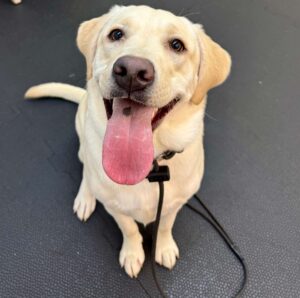
When Should a Puppy Start Leash Training? A Simple Guide for New Dog Owners

Off leash K9 Toledo training teaches food impulse control

Key Takeaways

  • You can introduce a collar and lightweight leash as early as 8 weeks, with actual leash training starting around 8–10 weeks in very short indoor sessions.
  • Early work focuses on calm exposure, following, and creating positive associations rather than perfect heel or long walks.
  • Most puppies are ready to practice outside in low-distraction areas by 12–16 weeks, once vaccinations are underway and they are comfortable wearing the gear.
  • Starting too late often allows pulling, lunging, and leash frustration to become habits that are harder to fix.
  • Professional help is useful if your puppy shows fear, constant pulling, or you feel overwhelmed by the training process.

Why Starting Leash Training Early Sets Your Puppy Up for Success

When should you start leash training a puppy? Many new dog owners wonder this because leash training is essential for everyday walks, vet visits, and your puppy’s safety.

Puppies don’t instinctively know what a leash is or how to walk on one. Starting leash training early builds good habits and prevents problems like pulling or lunging. It also keeps your puppy safe in public spaces where unleashed dogs can face dangers or cause accidents.

The secret is focusing on timing and a gentle approach, not rushing for perfection. Early positive leash experiences help your puppy feel confident and eager to learn. This guide covers the best age to start, how to begin stress-free, common mistakes to avoid, and when to seek extra help.

Starting leash training early and making it fun sets the foundation for happy walks and a strong bond with your puppy.

Most puppies can begin leash exposure around 8–10 weeks, right after settling into their new home. You can introduce a collar and leash as early as 8 weeks to create positive associations.

Early leash training means short, indoor or secure yard sessions, not full walks. More structured outdoor practice begins around 12–16 weeks, once vaccinations are underway. Until then, keep your puppy safe indoors or in your yard.

Signs your puppy is ready include:

  • Comfortably wearing a collar or harness without fuss
  • Following you naturally around the house
  • Responding to their name
  • Showing curiosity beyond their crate or playpen
  • Briefly focusing on you despite mild distractions

Puppies introduced to leashes early adapt better to new experiences. However, shy or fearful puppies may need extra time bonding indoors before leash pressure is added. Forcing them too soon can cause negative associations with the leash.

How to Start Leash Training the Right Way

A calm, step-by-step approach builds confidence without stress. Begin indoors or in a quiet area with minimal distractions and no pressure for perfect walking.

Use a lightweight leash (4–6 feet) and a flat collar or well-fitted front clip harness. Avoid retractable leashes early on. The harness should fit snugly, allowing two fingers between it and the puppy’s skin.

Focus on simple “follow me” steps:

  1. Take a step
  2. Reward when the puppy follows
  3. Repeat

Keep sessions 2–5 minutes, several times a day, ending before the puppy tires or gets frustrated. Pair leash practice with feeding or short play to keep it fun.

Indoor Foundations: First Leash Sessions

Clip the leash on while the puppy is calm, offer treats, and let them move naturally. Let the puppy drag the leash briefly under supervision to normalize it. Then encourage following by walking backward, calling the puppy, and rewarding when they come.

Focus on engagement and movement, not perfect heel or ignoring distractions. Keep sessions short and upbeat.

Making Leash Pressure Positive

Leash pressure is the slight tension felt when the leash tightens. Teach your puppy that gentle pressure means “move with me” by:

  1. Applying slight tension
  2. Waiting for the puppy to step toward you
  3. Releasing tension and rewarding

Use treats or praise to encourage walking beside you. Avoid jerking or dragging, which can cause fear or discomfort. Mix leash pressure work with fun games to keep motivation high.

Common Mistakes to Avoid in Early Leash Training

Avoid these common pitfalls:

  • Starting in overwhelming, noisy environments
  • Expecting perfect walks too soon
  • Allowing pulling to be rewarding—stop walking when pulling occurs, then resume once the leash is slack
  • Inconsistent handling among family members
  • Using retractable leashes, which encourage pulling and tension
  • Ignoring leash biting—stop movement and redirect attention with treats or toys

How Leash Training Progresses as Your Puppy Grows

Leash training is a months-long progression from basic exposure to calm walking around real-world distractions. Here’s an age-based roadmap:

Age Range Focus Areas
8–12 weeks Equipment comfort, following indoors, positive associations
3–4 months Short outdoor practice in quiet areas, fully vaccinated status approaching
4–6 months More structured loose leash walking, gradual distraction introduction
6–18 months Adolescent phase, may require return to focused sessions

Move from the living room to the yard, then to quiet streets or parks, only increasing difficulty when the puppy is successful at the current level. Consistency matters: similar rules for every puppy walk, using the same cues, and rewarding the same good behavior across days and weeks.

As adolescence hits (often 6–18 months), puppies may temporarily test boundaries again. Return to short, focused training sessions if manners slip. This is completely normal.

Introducing Distractions Safely

Add distractions in layers to encourage good behavior without overwhelming your pup:

  • First, a quieter sidewalk at off-peak times
  • Then slightly busier routes
  • Finally, new locations like trails or outdoor areas

Use higher-value rewards (small pieces of chicken or cheese) in more challenging and stimulating environments to keep the puppy focused. If the puppy pulls, freezes, or fixates on something, decrease difficulty by increasing distance or choosing a calmer location.

Sniffy walks can be used as rewards. Walking nicely for a short stretch earns a cue and permission to sniff a specific area at their own pace. These breaks are mentally stimulating and help the puppy walk calmly knowing exploration comes with good behavior.

Puppies may only be off-leash in designated areas once they are fully vaccinated and properly socialized. Toledo law requires a physical leash or harness; voice control and e-collars do not legally replace a physical leash in public areas.

When to Get Extra Help with Leash Training

Struggling with leash training is common and not a sign of failure for you or the puppy. Many owners benefit from working with a professional trainer who can assess the situation and create a custom plan.

Signs that professional coaching could help:

  • Constant strong pulling despite weeks of consistent practice
  • Frequent leash biting that doesn’t respond to redirection
  • The puppy refusing to move despite patient practice
  • Barking, lunging at other dogs or people
  • Intense fear of going outside or new environments

Lunging on the leash is another common problem, and it can be managed by stopping and waiting for the puppy to calm down before rewarding them with treats and praise. But if this behavior persists, outside guidance helps.

A professional trainer can assess the puppy’s body language, temperament, the handler’s technique, and the home environment. Busy owners or those with physically strong breeds may benefit from structured lessons or more intensive programs to build distraction-proof leash skills.

Note that all dogs over 3 months of age must be registered and wear their valid license tag at all times according to Lucas County Canine Care & Control. House training and leash and collar basics should be established early.

Conclusion

Starting leash training your puppy early, around 8–10 weeks, with gentle, enjoyable sessions sets the stage for confident, happy walks. Those first indoor steps grow into smooth neighborhood strolls through patience and consistency.

Keep sessions short and positive, progressing from quiet indoor spaces to more stimulating outdoor environments. This helps your puppy develop good manners, stay safe, and get necessary exercise.

If you feel stuck or overwhelmed, reach out to a professional trainer. Early support makes the process smoother and more enjoyable for both you and your puppy. Starting leash training right and asking for help builds a strong foundation for years of joyful walks together.

FAQ

These questions cover practical concerns not fully addressed in the main sections. Each answer is brief and actionable so new puppy owners can move forward with confidence.

Can I leash train my puppy before they are fully vaccinated?

It is safe and beneficial to start leash training indoors and in a secure private yard as early as 8 weeks. Public spaces with unknown dog traffic should wait until your veterinarian confirms the puppy’s core vaccines are well underway, often around 12–16 weeks. Ask your vet for location-specific guidance on safe outdoor exposure during the vaccine series for your area.

How long should each leash training session be for a young puppy?

Keep sessions very short for puppies under 4 months, typically 2–5 minutes with a few repetitions, several times a day. Ending while the puppy learns and is still engaged prevents burnout and keeps training fun. Older puppies and adolescents can handle slightly longer sessions, but breaks and play should still be included. This early introduction approach builds skills without overwhelming short attention spans.

What type of leash and collar or harness is best for starting out?

Use a simple 4–6 foot standard leash made of nylon or leather. Avoid retractable leashes for early training as they give the puppy more freedom to pull. A flat collar or well-fitted harness that allows two fingers between the material and the puppy’s skin works best. Some puppies do better in a front clip harness if already inclined to pull. Check fit regularly as the puppy grows and consider trying a long line for recall practice in secure areas.

Should I use treats every time I walk my puppy on leash?

Frequent food rewards are very helpful in the early stages to create positive associations with the leash and walking near you. Gradually space out treat rewards as skills improve while still using praise and occasional food to encourage good behavior. Structured sniff breaks or short play sessions can also serve as powerful rewards during walks, keeping things mentally stimulating.

What if my puppy lies down or refuses to move on the leash?

Freezing is a normal reaction for some puppies when they first feel leash pressure or encounter the outside world. Use gentle encouragement: crouch down, call the puppy cheerfully, and offer a treat close to the nose to lure a few steps forward. Stay calm and avoid dragging or scolding. If the puppy repeatedly shuts down, return to easier environments and consider professional guidance to address common challenges before they become lasting habits.

Dog-Friendly Outings: Training Skills Your Dog Needs First

Off leash K9 Toledo puppy training for two spotted dogs

Taking your dog to a brewery patio, a farmers’ market, or a weekend festival sounds like a great way to spend time together. But for many dog owners, these outings turn stressful quickly when their pup starts pulling, barking, or lunging at every passing stranger.

The difference between dogs who handle public spaces calmly and those who struggle usually comes down to one thing: preparation. Before you load your furry friend into the car for your next adventure, there are specific training skills that make dog-friendly outings enjoyable for everyone involved.

This guide covers the obedience foundations your dog needs, how to build focus around distractions, and the warning signs that your dog may need more practice before visiting busy locations.

Key Takeaways

  • Successful dog-friendly outings depend on solid dog obedience and calm public behavior, not just enthusiasm or socialization.
  • Core skills include sit, down, place, heel, recall, leash manners, and calm greetings with people and other dogs.
  • Practice in quiet areas at home and in low-traffic parks before expecting reliable behavior in busy locations like outdoor patios, pet stores, or festivals.
  • Signs like constant leash pulling, barking, stiff posture, or refusal to take treats indicate your dog needs more training before crowded trips.
  • Professional help can accelerate progress for dogs struggling with reactivity, recall, or public manners despite consistent home practice.

Why Training Matters Before Dog-Friendly Outings

Imagine walking into a busy farmers’ market with your dog. Kids are running, vendors calling out, other dogs nearby, and strangers reaching to pet your dog. Without training, this can overwhelm your dog and lead to pulling, barking, or lunging.

In Toledo, many places like outdoor patios and Metroparks welcome dogs on leashes. Parks such as Wildwood Preserve and Side Cut Metropark offer beautiful trails for leashed dogs, but only if your dog can handle distractions calmly.

Training helps your dog focus on you, respond to commands, and stay calm in busy places. It’s not about making your dog robotic but about building trust and control. If your dog can’t do a simple down stay at home, expecting that behavior in a crowded place is unrealistic.

Good training lays the foundation for enjoyable dog-friendly outings.


Essential Skills Your Dog Should Know First

Before visiting busy public spaces, your dog should reliably respond to key commands that keep them safe and manageable.

Sit and Down

Sit prevents jumping and crowding; down helps your dog settle calmly for extended periods. Practice until your dog responds instantly, even with distractions.

Place Command

Place teaches your dog to stay on a mat or bed until released. This is useful at pet-friendly patios and events to keep your dog settled and out of the way.

Heel

Heel means walking beside you on a loose leash without pulling or drifting. This keeps walks controlled in tight spaces and prevents accidents.

Recall

Recall ensures your dog comes when called, even with distractions. It’s vital for safety in off-leash areas and emergencies.

Leash Manners

Good leash manners mean no pulling or zig-zagging and stopping when you stop. This prevents tripping or lunging and makes walks calmer.

Calm Greetings

Teach your dog to greet people and dogs politely by sitting and staying calm. Allow your dog to disengage if uncomfortable.

Skill Why It Matters in Public Where to Practice First
Sit/Down Prevents jumping, creates waiting positions Living room, backyard
Place Allows settling at patios, events, and visits Home on a mat or bed
Heel Controls walking in tight and crowded spaces Quiet streets, empty lots
Recall Emergency response, off-leash control Fenced yard, quiet fields
Leash Manners Prevents pulling, tripping, lunging Neighborhood walks
Calm Greetings Controlled interactions without jumping With familiar people first
Middlegrounds Metropark features a spacious off-leash area where dogs can frolic safely, with separate sections for small and large dogs and access to fresh water. But even at off-leash parks, your dog needs recall and impulse control to navigate interactions with other dogs appropriately.

How to Practice Around Distractions

Knowing commands at home is different from using them in busy places. Dogs need practice focusing with distractions, starting in easy spots and moving to harder ones.

Start Simple

Begin in quiet places like your backyard or an empty parking lot. Practice sit, down, place, heel, and recall until your dog listens well.

Wildwood Preserve Metropark is a good next step with its calm trails and dog-friendly areas, especially during quiet times like weekday mornings.

Add Distractions Slowly

Once your dog is steady, add small distractions. For example, practice heel while someone bounces a ball nearby. Use recall while another dog walks at a distance.

Side Cut Metropark offers a nice mix of distractions like water and wildlife to help your dog focus.

If your dog struggles, go back to easier practice and build up gradually.

Use Everyday Moments

Train during daily activities like walking from the car to the vet or sitting by the mailbox. Swan Creek Preserve Metropark’s trails are great for short training breaks.

Start Far From Triggers

If your dog reacts to other dogs or people, practice at a distance where your dog stays calm. Reward calm behavior and slowly get closer only if your dog stays relaxed.

Reward Focus

Use treats and praise when your dog pays attention to you instead of distractions. Keep the leash loose and redirect if your dog pulls.

Oak Openings Preserve Metropark’s long trails offer space to practice focus with varying distractions.

Keep It Short

Training with distractions tires dogs quickly. Keep sessions 5 to 15 minutes and stop while your dog is still doing well. This builds positive experiences and eagerness to learn.

Signs Your Dog Needs More Training First

Not every dog is ready for dog-friendly outings right away, even if they behave well at home. Recognizing the signs that your dog needs more preparation can prevent bad experiences that create lasting behavior problems.

Physical Signs of Overstimulation

Watch for these behaviors that indicate your dog is struggling:

  • Constant leash pulling from the moment you arrive at a parking lot or sidewalk
  • Spinning, pacing, or inability to settle in one spot
  • Frantic sniffing with no ability to disengage and focus on you
  • Whining, barking, or growling when near strangers, children, or other dogs in public spaces

These behaviors suggest your dog is over threshold, meaning the environment is too stimulating for them to think clearly or respond to commands.

Body Language Warnings

Subtle body language often signals stress before obvious reactions occur:

  • Stiff posture or freezing in place
  • Tucked tail or ears pinned back against the head
  • Lip licking, yawning, or excessive panting when not tired or hot
  • Turning the head away repeatedly
  • Refusing to take treats, even favorites

If your dog normally loves treats but will not take food in a new environment, that refusal often indicates stress. A dog who cannot eat is often a dog who is too overwhelmed to learn.

Problem Behaviors in Public

More obvious signs that your dog is not ready include:

  • Jumping on servers, strangers, or other visitors
  • Grabbing food from tables or counters
  • Lunging at passing dogs, bicycles, or joggers
  • Ignoring known commands that work reliably at home
  • Barking at small triggers that are usually ignored

These behaviors are not just embarrassing. They can create safety concerns and negative experiences that make future training harder.

Why Pushing Forward Creates Problems

When you expose an unprepared dog to overwhelming environments, several things happen:

The dog practices unwanted behaviors repeatedly. Each time your dog pulls, barks, or lunges, that response gets reinforced through repetition.

The dog associates public spaces with stress. Instead of learning that patios or parks are relaxing, your dog learns they are places where bad things happen.

The behaviors become harder to fix. Reactive patterns that develop through repeated negative experiences are more difficult to modify than behaviors caught early.

When to Step Back

If you see these signs during an outing, the appropriate response is to leave calmly and try a simpler environment next time.

Step back to quieter locations. Shorten sessions. Increase distance from triggers. Rebuild confidence before attempting more challenging outings.

Pet owners often feel pressure to push through, thinking the dog will “get used to it.” But flooding a stressed dog with stimulation typically makes things worse, not better.

If these signs persist despite consistent practice in easier environments over several weeks, professional help may be the most efficient path forward.

Final Thoughts

Calm, enjoyable dog friendly outings come from preparation, not luck. The skills covered in this guide, including sit, down, place, heel, recall, leash manners, and calm greetings, create the foundation that allows your dog to navigate public spaces with confidence.

Move at your dog’s pace. Start with quiet walks through places like Wildwood Preserve or Side Cut Metropark before attempting crowded markets, festivals, or live events. Practice in low-traffic environments until your dog’s responses are automatic, then gradually introduce busier locations.

Toledo Ohio, offers many opportunities for pet-friendly activities once your dog is ready. From walking trails at Maumee Bay State Park to an outdoor patio with delicious food and great food options, to catching the Mud Hens at Fifth Third Field, your four-legged friend can join you for a wide range of experiences.

Fido’s Delight Café is a pet-friendly restaurant in Toledo that offers a unique dining experience with a specially crafted doggie menu for pets. Destinations like this become accessible and enjoyable when your dog has the training to handle them calmly.

If you feel unsure about your dog’s recall, place command, or behavior around distractions, professional dog training services in the Toledo, Ohio area can provide the structure and guidance to build these skills efficiently. Working with an experienced trainer who focuses on real-world obedience and calm behavior around distractions can accelerate progress significantly.

With patience, clear training, and the right guidance, both you and your furry friend can enjoy everything from a leisurely walk at a beautiful park to an evening at a pet-friendly establishment with live music and friendly staff.

FAQ

The following questions address common concerns about timing, equipment, and decision-making that were not fully covered in the main sections above.

How long should I train before taking my dog to a busy public place?

Most dogs need several weeks of daily practice on sit, down, place, heel, and recall in quiet settings before trying crowded locations. A reasonable timeline might look like:

  • Weeks 1-2: Practice at home and in your yard until responses are consistent
  • Weeks 3-4: Move to quiet parks or neighborhoods during off-peak hours
  • Week 5 and beyond: Short visits to moderately busy locations, gradually increasing duration and complexity

Progress depends on the individual dog. Some dogs may be ready faster, while dogs with existing reactivity or anxiety may need longer. Watch behavior more than the calendar when deciding to move forward. If your dog cannot hold commands in a quiet park, a busy patio is not the next step.

What equipment is best for practicing leash manners in public?

Start with a sturdy 4 to 6 foot leash and a well-fitted flat collar or harness that your dog cannot slip out of in parking lots or new environments. Check that the collar or harness fits snugly but allows two fingers to slip underneath.

Avoid starting public practice on long lines in crowded areas. While long lines are useful for recall training in open fields, they reduce control in tight spaces and can create tangles around people and other dogs.

If pulling or reactivity is already a problem, a professional trainer can help you choose humane, effective tools suited to your dog’s specific challenges. The right equipment varies based on your dog’s size, strength, and behavior patterns.

How do I know if my dog is stressed during an outing?

Subtle stress signals often appear before obvious reactions:

  • Yawning when not tired
  • Heavy panting in cool weather
  • Turning the head away repeatedly
  • Lip licking or drooling
  • Refusing favorite treats
  • Whale eye (showing the whites of the eyes)

More obvious signs include hiding behind you, freezing in place, frantic pulling to escape, or barking at small triggers that your dog usually ignores.

If these signals appear, calmly move to a quieter area or leave entirely. Do not force your dog to “work through it.” Shorten the next outing and revisit the environment at an easier level. Keeping experiences positive prevents stress from building into lasting anxiety.

Should my dog meet every person or dog we see on a walk?

No. Polite public behavior does not require greeting everyone. Many stable, well-trained dogs walk calmly past strangers and other dogs without interaction, and this is often the safer choice.

You decide when and where greetings happen. Before allowing an interaction, ask for a sit and eye contact. Keep greetings brief and controlled. If the other dog seems tense or the space is crowded, skip the greeting entirely.

Narrow sidewalks, store aisles, and festival lines are not ideal greeting locations. The confined space makes it difficult to separate dogs quickly if something goes wrong. Save greetings for open areas where both dogs can disengage easily.

Ready to Enjoy Dog-Friendly Outings with Confidence?

If you want to build reliable obedience, leash manners, and calm public behavior in your dog, professional training can make all the difference. Visit Toledo Dog Trainers to learn how expert guidance can help you prepare your dog for enjoyable dog friendly outings in Toledo’s pet friendly environments.


Why Dogs Counter Surf and How to Stop It

Off leash K9 Toledo puppy training on green grass

If your dog jumps onto the kitchen counter every time you turn your back, you are not alone. Counter surfing is one of the most common household frustrations for dog owners. The good news? Once you understand why dogs counter surf, you can take practical steps to stop it for good.

Key Takeaways

  • Counter surfing means stealing food or items from counters and tables when humans are not watching
  • Dogs do it because it works: food rewards, curiosity, boredom, and unclear boundaries all reinforce the behavior
  • Yelling, chasing, or punishing often makes counter surfing worse or more sneaky instead of solving it
  • Practical answers include blocking access, teaching clear obedience commands like place, leave it, and down, and keeping all family members consistent
  • Managing your dog’s environment by keeping food and tempting objects out of reach is crucial to prevent counter surfing

What Is Dog Counter Surfing?

Counter surfing refers to when a dog places its front paws or full body onto kitchen counters, islands, or tables to grab food or objects. This behavior, sometimes called counter surfing in training circles, includes everything from a full jump onto the surface to stretching up from the floor with four paws still grounded to snag items near the edge.

Real-life examples are everywhere. A dog jumps up and steals a sandwich from the kitchen counter while you answer a quick phone call. Another grabs a cooling roast pan the moment someone turns to answer the door. Younger dogs and puppies may explore surfaces simply to see what is there.

Counter surfing is also a safety issue. Dogs can knock over hot dishes, causing burns, or access human food that is toxic, including grapes, onions, chocolate, or xylitol-sweetened items.

Off leash K9 Toledo training for attentive boxer dog

Why Do Dogs Counter Surf?

Understanding why do dogs counter surf helps you address the root cause instead of just reacting. Several factors usually overlap:

  • Food rewards: If a dog finds food even once, the jackpot reinforces the behavior, making them likely to keep trying. Even a single successful grab of pizza or chicken creates a lasting memory that counters are worth checking.
  • Curiosity: Curiosity is a natural trait in dogs, and they often counter surf to explore their environment and satisfy their inquisitive nature. A dog’s strong sense of smell can detect food residue or scents even on a seemingly clean counter.
  • Boredom: Lack of mental stimulation or physical exercise can lead dogs to make their own fun. Counter surfing can also be driven by hunger or boredom, especially in under-exercised animals.
  • Lack of boundaries: Dogs who have never been taught clear rules about staying off surfaces simply do what works for them. Dogs evolved to seek out food wherever available, and to them, a counter is just an elevated foraging zone.
  • Learned habits: Dogs counter surf because they have learned that kitchen counters are an easy source of food, and this behavior is reinforced when they find food there, making them more likely to repeat it in the future.

This is not the dog being spiteful. It is normal, rewarded opportunism.

Why Yelling or Chasing Makes Things Worse

Picture this: you walk into the kitchen and find your dog with paws in the sink, surrounded by crumbs. Your first reaction is to yell or chase them down.

From the dog’s point of view, yelling can become attention or part of the excitement. If the dog manages to swallow the food while being chased, the behavior is still rewarded and often gets stronger. Many dogs learn to simply wait until the room is empty and become sneakier about their timing.

Harsh punishment can make some dogs afraid of the kitchen or wary of people, but it does not teach them what to do instead. Calm interruption, management, and teaching an alternative behavior work better long term.

How to Prevent Access to Counters

Prevention is often the fastest way to stop counter surfing while training is still in progress. The best way to stop counter-surfing is to prevent it from happening in the first place by ensuring that dogs never find food on the counter, as this will discourage them from looking there in the future.

Key prevention tips:

  • Never leave food, dirty dishes, or wrappers within reach of dogs
  • Using baby gates or crates can effectively limit your dog’s access to the kitchen or dining area when unsupervised, reducing the chances of counter surfing
  • Clean counters thoroughly after cooking to remove enticing smells and residues
  • Push tempting items to the back of the counter or store them in cabinets and the fridge
  • Ensure chairs or other furniture are not placed where they can be used as steps to reach the counter
  • Keeping counters clean and free of food smells is essential, as even crumbs can encourage dogs to engage in counter surfing behavior

Use crates or exercise pens during high-risk times like Thanksgiving prep or holiday dinners. Management is not a shortcut but a necessary step while you build reliable obedience.

Teaching Better Household Manners

Counter surfing connects to overall house rules and everyday obedience, not just kitchen behavior. Teaching basic rules like no jumping on people, waiting at doorways, and no begging at tables all support less counter surfing over time.

Structured routines help. Try leash walks before meals, calm sitting before the food bowl is set down, and waiting quietly while humans eat. Rewarding the dog for keeping four feet on the floor near counters helps them understand that staying grounded pays off.

Consistent physical and mental exercise is essential to keep dogs from seeking out their own activities driven by boredom. Use snuffle mats, puzzle feeders, or food-dispensing toys to satisfy dogs’ natural urge to scavenge in a safe way. Providing your dog with a food-stuffed toy or chew in another area of your home can serve as an alternative behavior to counter surfing.

Practice manners during real-life scenarios: while making coffee, packing lunches, or prepping dinner after work.

How Obedience Commands Help: Place, Leave It, and Down

Reliable obedience is one of the strongest tools for solving why do dogs counter surf long term.

Place command: Training your dog to go to a specific place while you prepare food can help prevent counter surfing by giving them a designated area to stay in, away from temptation. Position the dog bed or mat near but not inside the kitchen. Gradually increase duration, distance, and distractions like opening the fridge or setting dishes on the counter.

Leave it command: Teaching your dog the leave it cue can help manage counter surfing by rewarding them for ignoring food on the counter instead of jumping up to grab it. Start with low-value items on the ground, then progress to higher value foods and eventually practice near counters.

Down command: A solid down-stay keeps the dog anchored on the floor while you cook or clean. Practice short sessions several days a week using small treats or kibble, and work in different rooms.

These commands should work around real-world distractions like kids walking by, dropped crumbs, and guests arriving at the door.

Why Consistency From Every Family Member Matters

Dogs learn fastest when the rules are the same from everyone, every day. One person slipping food from the counter or letting the dog lick dishes at the sink can undo a week of careful training.

Families should agree on clear rules such as no food from counters or tables and dog always goes to place during meal prep. Consider posting kitchen rules on the fridge so kids, roommates, or visitors know the plan.

Consistency includes times of stress, like hosting guests in December or rushing out the door on school mornings. When everyone follows the same pattern, dogs stop gambling on counters because the payoff disappears.

When Professional Training Can Help

Some dogs keep counter surfing even when owners are trying hard on their own. Signs that extra help is useful include:

  • Large dogs that can reach every surface
  • Dogs who guard stolen food
  • Dogs who ignore basic commands around food
  • Most dogs in multi-dog homes where behaviors get copied

A trainer can spot patterns in home layouts, timing, and routines that owners may miss. Structured lessons or in-home training can build distraction-proof obedience, including place, leave it, down, and recall around busy kitchens.

Professional help is especially valuable for busy families who need efficient, real-world results. Seeking help is normal, and better manners are possible with a solid plan and consistent practice.

Off leash K9 Toledo training for attentive boxer dog

When Professional Training Can Help

If your dog keeps stealing food, ignoring commands, or causing stress in the kitchen, consider working with a qualified trainer. Professional guidance can speed up the process, build stronger obedience, and create a calmer, safer home environment. Contact a local dog training professional for help with household manners, counter surfing, and real-world obedience around distractions.

Ready to develop calm behavior and improve your dog’s manners? Start training today with expert support to create a happier home for everyone. Reach out now to get started on building better obedience and ending counter surfing for good.

FAQ

These common questions cover extra details about why dogs counter surf that were not fully addressed above.

Why does my dog only counter surf when I leave the room?

Many dogs quickly learn that people nearby mean lower chances of success, so they wait until the room is empty to jump up. This shows the dog has learned to be sneaky, not that they understand the behavior is wrong. Use gates, crates, or place training during times you step away. Practice controlled sessions where you pretend to leave, then return to reward the dog for staying on the ground.

Is counter surfing more common in certain breeds?

Any breed can counter surf, but taller dogs like Labradors, German Shepherds, or Doodles can reach surfaces more easily. Food-motivated breeds such as Beagles may be more persistent. However, breed is less important than how often the dog has been rewarded by finding food on counters. Focus on management and training rather than blaming the breed.

Can I leave my dog loose in the kitchen once training is finished?

Many dogs can earn more freedom over time, but it should be done gradually with supervision at first. Start with short periods where counters are completely clear. Keep management tools like baby gates and crates available for times when the animal backslides or tempting food is out. Long-term success depends on maintaining rules consistently.

Why do dogs counter surf more at night or early morning?

Quieter times often give dogs more opportunity because people are distracted or sleepy. If the meal was many hours earlier, the dog may be hungrier. Feed on a regular schedule, clear counters before bed, and use gates or a crate overnight if needed. Track when surfing happens to adjust feeding times and management around those patterns.

How to Stop Your Dog From Jumping Up on Guests

Off leash K9 Toledo trainer shaking paw with dog

When your dog jumps on everyone who walks through the door, it can turn a friendly visit into an embarrassing situation. The good news is that jumping on guests is a fixable problem with the right approach. This guide covers exactly how to stop your dog from jumping up on guests using consistent rules, structured practice, and clear replacement behaviors.

Key Takeaways

Jumping on guests is one of the most common dog behavior problems owners face, but it responds well to consistent training and management. Most dogs jump from excitement and habit, not dominance. Even friendly jumping can knock over children or older adults, making it more than just a social inconvenience.

The core plan to stop jumping involves four elements: manage the environment with a leash and door structure, reward calm behavior when guests arrive, teach sit or place as the default greeting, and coach visitors to ignore jumping completely. To effectively train a dog not to jump, all members of the household must follow the same rules and guidelines to avoid confusing the dog about acceptable behavior.

Professional dog training services can help with dogs that rush the door, drag owners toward visitors, or become overexcited around new people. In-home lessons or board and train programs can speed up results for dogs that need more structured practice.

Off leash K9 Toledo training for gray puppy on path

Why Dogs Jump on Guests

Jumping is a natural greeting behavior for dogs, often seen in puppies who have not yet learned proper greeting manners. This behavior traces back to wolf pups, who would jump and lick the faces of adult pack members. In domestic dogs, this instinct persists and often solidifies into a habit by age one to two if not addressed.

Excitement and arousal drive most jumping. When your dog hears the doorbell, excess energy builds rapidly. Without an impulse control routine at the entryway, the dog defaults to jumping because it has no other rehearsed option.

Dogs often jump on people as a way to express excitement and seek attention, which can be reinforced by any form of attention, even negative reactions like pushing them away. Many dogs jump on guests because they associate jumping with receiving attention, affection, or a reaction, which reinforces the behavior.

Inconsistent rules confuse dogs further. When some family members allow the dog to put front feet on them while others correct it, the dog cannot learn what proper behavior looks like. Without consistent training, jumping can become a learned behavior that is difficult to break, as dogs may not understand that it is undesirable.

High-energy breeds and under-exercised dogs carry even more arousal into greetings, making them more likely to jump.

Common Mistakes That Make Jumping Worse

Most owners do not realize they are accidentally rewarding the exact behavior they want to stop. In roughly 90 percent of reported jumping cases, owners unintentionally reinforce the unwanted behavior through everyday interactions.

Petting, hugging, or even briefly steadying the dog’s paws on your chest when you arrive home teaches the dog that jumping reconnects you socially. The dog learns that front paws on a person leads to touch and attention.

Talking to the dog in an excited voice also backfires. Saying “Off!” or “Down, Buddy!” in a high or animated tone provides the engagement the dog craves. Any form of attention, even negative reactions, can reinforce jumping.

Pushing the dog down or grabbing the collar often feels like rough play to the dog. This physical contact can trigger more jumping or add mouthing rather than reducing the bad behavior. Laughing, squealing, or photographing a dog jumping on kids or visitors reinforces the behavior through social engagement.

The problem of sometimes rules also slows progress. When some guests encourage the jumping behavior while others try to prevent jumping, the dog generalizes a variable reinforcement pattern. This makes training much slower and less reliable.

Harsh punishment tools or yelling can create anxiety around guests and doorbells, leading to reactivity rather than calm behavior.

How to Stop Your Dog From Jumping Up on Guests

Use this simple plan to stop your dog from jumping on guests. Start with low-distraction practice before adding real visitors.

Practice before guests arrive. Spend five to ten minutes daily at your door practicing sit, down, or place commands with doorbell sounds. Consistency helps dogs learn what’s expected.

Use a leash for control. Attach a short leash to limit jumping and guide your dog into a sit until calm.

Teach sit as the default greeting. Train your dog to sit when greeting, mark with a word like “Yes,” and reward to reinforce good behavior.

Reward calm behavior. Give treats for four paws on the floor and quiet waiting.

Coach your guests. Ask visitors to ignore jumping until the dog sits.

Release only when calm. Let the dog greet only after relaxing and sitting.

Short, frequent sessions work best—three to five minutes, two to three times daily. Consistency from everyone speeds progress.

Teach Better Door Manners

Jumping often begins seconds before greeting, as the dog races to the door barking and bouncing. Addressing this early behavior is key.

Train your dog to sit or move back from the doorbell. Reward them for staying calm while you approach. Use baby gates or barriers near the entry to prevent rushing and manage excitement.

Have the dog sit a few feet from the door as you open it slightly. Only open wider if the dog remains calm and quiet. Practice with family or friends acting as visitors to reinforce calm greetings.

Exercise before guests arrive to reduce excess energy, helping your dog stay calmer at the door.

Use the Place Command for Calm Greetings

The place command sends your dog to a specific spot like a bed or mat to lie down until released. This gives them a clear job when someone arrives.

Start place training in quiet settings, rewarding your dog for going to the spot and staying. Add distractions gradually, then combine place with door greetings: ring the bell, send the dog to place, open the door while they stay put.

Use a leash at first to prevent rushing. Over time, many dogs learn to go to place on their own when the doorbell rings. Scatter treats on the ground during greetings to keep your dog calm and focused.

Off leash K9 Toledo puppy training in park grass

When to Get Professional Help

Some dogs need professional training to stop jumping, especially if:

  • They knock people over, including kids or seniors
  • They nip or scratch during greetings
  • They ignore commands like sit, down, or place when guests arrive
  • The owner feels unsafe or can’t control them pulling toward visitors
  • Jumping continues despite consistent practice for weeks

Dogs with aggression or reactivity need a tailored plan from an experienced trainer. Consistent practice, like having the dog sit before greetings, usually takes about three months to build a reliable habit.

Professional trainers offer private lessons, in-home training, and board and train programs focusing on real-life distractions like doorbells and guests. If your dog rushes the door or gets too excited, consider contacting a local trainer to find the right program for you.

Conclusion: Calm Greetings Are Possible

Jumping on guests is a solvable behavior when owners stop accidentally rewarding it, give the dog a clear job like sit or place, and manage the environment with leashes and structure at the door.

Learning how to stop your dog from jumping up on guests is really about consistency and communication, not harsh corrections or complicated routines. Be patient over several weeks as your dog practices new greeting habits with different visitors.

If you need help with door manners, jumping, or other obedience issues, professional dog trainers provide programs designed to create calm, reliable behavior around real-world distractions. Reach out to explore how professional guidance can speed up your progress.

FAQ

Here are clear answers to common questions about stopping your dog from jumping on guests.

How long does it take to stop a dog from jumping on guests?

Most dogs start improving in two to four weeks with daily practice. Dogs with strong habits or lots of energy may take a few months. Short, regular training sessions work best. Professional trainers can speed up progress with structured practice.

Can an older dog learn not to jump?

Yes, dogs of any age can learn new greeting habits. Older dogs might need slower steps and more patience, but they can still learn to sit or stay calm when guests arrive.

What equipment should I use when training?

Use a safe, well-fitting collar or front-clip harness that you can control easily. The equipment alone won’t stop jumping—you also need consistent training and rewards for calm behavior. Ask a trainer if your dog pulls strongly or you’re unsure.

What if I don’t have many visitors to practice with?

Practice at home by ringing your own doorbell, knocking, or stepping outside and coming back in while asking your dog to sit or go to place. Use friends, neighbors, or delivery people as practice opportunities. Trainers can also help with controlled practice using new people.

Is my dog jumping because it wants to be dominant?

No. Most dogs jump because they are excited and want attention, not because they want to be in charge. Instead of trying to dominate your dog, focus on teaching clear rules and calm behaviors that earn rewards.

Ready to Stop Your Dog From Jumping on Guests?

Contact Off Leash K9 Training Toledo for expert guidance and personalized training plans. Schedule your consultation and begin building calm, respectful greetings with your dog.


Dog-Friendly Hotels Toledo, Ohio: Where To Stay With Your Pup

Key Takeaways

  • Toledo and surrounding areas (Maumee, Perrysburg, Oregon) offer roughly 22 dog friendly hotels ranging from budget motels to full-service downtown properties like Renaissance Toledo Downtown Hotel, Residence Inn Toledo West, and Hampton Inn & Suites Toledo/Westgate.
  • Pet fees, weight limits, and policies vary widely between properties—always call ahead to confirm current rules before making reservations.
  • Most Toledo area hotels welcome both dogs and cats, with typical limits of 1-2 pets per room and weight caps commonly between 50-80 lbs.
  • Budget travelers can find options like Motel 6 Toledo and La Quinta Inn by Wyndham Toledo Perrysburg with minimal or no pet fees.
  • Dogs with reactivity or obedience challenges may benefit from training with Off Leash K9 Training Toledo before tackling busy hotel environments and downtown sidewalks.

Overview: Dog-Friendly Stays Around Toledo, Ohio

The Toledo metro spreads across several distinct areas—Downtown Toledo, Westgate/University district, Maumee, Perrysburg, and Oregon—each offering pet-friendly hotels suited to different travel needs. Whether you’re passing through on I-75 or planning a longer stay near Lake Erie, you’ll find options ranging from full-service downtown properties to extended-stay suites and budget-friendly motels.

Main types of dog-friendly accommodation:

  • Downtown full-service hotels – walkable to Maumee River paths, Huntington Center, and Warehouse District dining
  • Extended-stay suites – full kitchens and extra space for longer trips or larger dogs
  • Highway-convenient chains – quick access off I-75 and I-475 in Maumee, Perrysburg, and West Toledo
  • Budget motels – simpler rooms with flexible pet policies and easy outdoor access

Typical pet policies include:

  • Per-night or per-stay pet fees ($10-50 nightly or $50-150 flat)
  • Limits of 1-2 dogs per room
  • Weight caps commonly range from 50-80 lbs
  • Crating requirements when dogs are left unattended

For dogs with reactivity or obedience issues, staying slightly outside the busiest downtown core might reduce stress. Professional training from Off Leash K9 Training Toledo can help dogs handle hotel hallways, elevators, and crowded sidewalks with confidence.

Four dogs sitting on leashes in a backyard, including a German Shepherd, Beagle puppy, Pit Bull mix, and Spaniel posing together outdoors.

Downtown Toledo: Walkable Dog-Friendly Hotels Near the River

Downtown Toledo puts you steps from the Maumee River, Huntington Center arena, and the Warehouse District’s restaurants and nightlife. Several dog friendly hotels in this area cater to travelers who prioritize walkability and city access.

Renaissance Toledo Downtown Hotel

  • Accepts 2 pets (dogs and cats) of any size
  • Nightly pet fee structure varies by stay length
  • Located at 444 North Summit St., steps from the river
  • On-site dining, 13 event venues, rates starting around $146/night
  • Ideal for owners wanting city views and proximity to concerts or hockey games

Hilton Garden Inn Toledo Downtown

  • Permits 2 pets up to mid-range weight (commonly 50-75 lbs)
  • Per-stay pet fee
  • Rated 4.5/5 from 131 reviews on TripAdvisor
  • Quick access to offices and arena events
  • Staff praised for pet-friendly check-ins

Homewood Suites by Hilton Toledo Downtown

  • Allows 2 dogs up to approximately 75 lbs
  • Standard Hilton pet fees
  • Rated 4.7/5 from 63 reviews
  • In-room kitchens, free breakfast, separate living areas
  • Great for longer stays with northern city views

Expect in downtown properties:

  • Valet or self-parking options
  • Busy elevators and hallway traffic
  • City noise that may affect anxious dogs
  • Walking access to Maumee River paths (dogs must be leashed)

Owners with dogs prone to leash-pulling or reactivity should practice calm walking skills before arrival. Off Leash K9 Training Toledo specializes in distraction-proof obedience for exactly these crowded downtown scenarios.

West Toledo & University Area: Convenient Dog Friendly Hotels Off I-475

The Westgate/West Toledo zone near the University of Toledo and Franklin Park Mall offers easy interstate access and generally calmer surroundings than downtown. This area works well for road trippers and families.

Residence Inn by Marriott Toledo West

  • Typically permits 2 pets up to around 75 lbs
  • Flat per-stay pet fee
  • Full kitchens and larger suites
  • Strong choice for extended stays or families with dogs

Hampton Inn & Suites Toledo/Westgate

  • Allows 2 pets up to mid-size weights
  • Per-stay pet fee
  • Rated 4.4/5 from 718 reviews
  • Free breakfast, indoor pool
  • Guests specifically cite pet-friendliness as a plus

Quality Inn Toledo Westgate

  • Budget-conscious option at 3560 Secor Road
  • Per-pet nightly fees, rates from approximately $76/night
  • Accommodates 2 dogs of any size
  • Basic amenities, practical for short stopovers

Nearby attractions:

  • Franklin Park Mall and Cinemark Franklin Park 16
  • Ottawa Park for on-leash dog walks
  • Quick drives to green spaces

This zone’s calmer surroundings compared to downtown can help dogs working on crate training, separation comfort, or basic obedience adjustments.

Two spotted puppies exploring outdoors, standing on a log among dry leaves and autumn foliage.

Maumee & Perrysburg: Dog Friendly Hotels South of Toledo

Maumee and Perrysburg sit just south of Toledo along I-75 and the Ohio Turnpike, making them convenient for highway travelers. A dense cluster of chain hotels here welcomes dogs.

Hampton Inn Toledo-South/Maumee

  • Free breakfast, indoor pool, free parking
  • Allows 2 pets up to mid-range weight (50-80 lbs typical)
  • Tiered pet fees based on stay length
  • Near The Town Center at Levis Commons

Home2 Suites by Hilton Maumee Toledo

  • Extended-stay kitchenettes
  • Free breakfast and parking
  • 2 dogs per room for per-stay fee
  • Rates around $161/night, rated 4.2/5

La Quinta Inn by Wyndham Toledo Perrysburg

  • Free breakfast, Wi-Fi, parking
  • Flexible pet policies with modest or no additional fees
  • Reserve-now-pay-later friendly
  • Near Fremont Pike

Additional options:

  • Hampton Inn & Suites Toledo-Perrysburg – standard Hilton policies, indoor pool
  • Tru by Hilton Perrysburg Toledo – newer build, 24-hour fitness

Nearby dog exercise areas:

  • Side Cut Metropark trails
  • Maumee River paths (leashed pets permitted)

These suburbs provide quieter alternatives to downtown bustle. If your dog struggles with new environments or hotel noise, consider board & train or in-home training with Off Leash K9 Training Toledo before planning a multi-night stay.

North Toledo & Oregon: Dog Friendly Hotels Near the Lake

Oregon (just east of Toledo) and North Toledo offer dog friendly lodging convenient for Maumee Bay State Park, Lake Erie, and nearby industrial sites.

Hampton Inn Toledo/Oregon

  • Free breakfast, parking, and indoor pool
  • 2 dogs up to standard weight limit with per-stay fees
  • Practical for business and leisure travelers

Comfort Inn & Suites Toledo North

  • Per-dog nightly fees plus refundable deposit
  • Rates from approximately $78/night
  • Cats may be allowed upon request
  • Close to boat launches and birding areas

Additional properties:

  • Sleep Inn & Suites Oregon-Toledo – budget rates from $64/night
  • TownePlace Suites by Marriott Toledo Oregon – full kitchens, smart TVs, $131/night

Tips for lake area stays:

  • Check Maumee Bay State Park rules—dogs must stay leashed on trails and beaches
  • Pack towels and wipes for sandy or muddy paws
  • Plan for on-leash control around wildlife and other visitors

Budget-Friendly Dog Friendly Hotels Around Toledo

Travelers on tighter budgets can find clean, dog-friendly places along main highways and in suburban areas without breaking the bank.

Motel 6 Toledo, OH

  • Allows 2 pets of any size at no additional pet fee
  • Crated dogs may be left unattended for short periods
  • Small grassy relief areas typical
  • Ideal for road trippers on a budget

Red Roof Inn Toledo University

  • 1 dog up to 80 lbs at no extra charge
  • Second pet for modest nightly fee with total cap
  • Near the university, rated 4/5 for pet policies

Quality Inn Toledo Westgate

  • Mid-budget with nightly fees
  • Any-size tolerance
  • Basic rooms, but easier potty access
Property Pet Fee Weight Limit Rating
Motel 6 Toledo None Any size Budget
Red Roof Inn Toledo None (1st pet) 80 lbs 4/5
Quality Inn Toledo Westgate Per-night Any size 2.9-3.5/5

Budget property trade-offs:

  • More basic rooms and fewer amenities
  • Simpler pet policies
  • Easier outdoor access for quick breaks
  • Busier parking lots with more noise

Well-trained dogs comfortable with crates, doorways, and new noises tend to have better experiences in budget motels. Off Leash K9 Training Toledo specializes in these real-world obedience skills.

Extended-Stay & Suite-Style Dog Friendly Options

Extended-stay hotels and suites work well for longer trips, relocations, or owners with larger dogs who need kitchen space and home-like layouts.

Residence Inn by Marriott Toledo West

  • Full kitchens and larger room layouts
  • Per-stay pet fees for up to 2 dogs (around 75 lbs)
  • Rated 4.2/5 for family suitability

Homewood Suites by Hilton Toledo Downtown

  • Free breakfast, living room areas
  • Standard Hilton pet policies
  • Suitable for week-long work trips

Suburban suite options:

  • Home2 Suites by Hilton Maumee Toledo – kitchenettes, free breakfast
  • Home2 Suites by Hilton Perrysburg Levis Commons Toledo – 24-hour fitness, complimentary breakfast

Vacation rentals (Airbnb, VRBO):

  • Each host sets their own pet rules, fees, and weight limits
  • Some allow any size with no fee; others restrict breeds or require crating
  • Less predictable than hotel chain guarantees

Dogs with separation anxiety may do better in suite layouts where a crate can be placed in a quieter corner away from the door. Off Leash K9 Training Toledo offers behavior consultation services for these specific challenges.

Multi-Dog Success: Expert Training Tips for a Happy Pack

Alternatives Beyond Hotels: Pet Friendly Rentals & Boarding Options

Not every trip calls for a hotel. Some dog owners prefer short-term rentals or professional boarding while they handle other commitments.

Pet friendly vacation rentals:

  • Many Toledo-area Airbnb and VRBO hosts welcome dogs
  • Policies vary: some charge per night, others per stay, some are fee-free
  • Certain hosts restrict breeds or require crating when unattended
  • Carefully read “House Rules,” check yard fencing, and message hosts about barking policies

Board & train programs:

  • Visitors in Toledo for business, surgery recovery, or major projects might consider professional board & train
  • Off Leash K9 Training Toledo provides intensive, distraction-proof obedience work
  • Dogs reunite with owners in a calmer, better-trained state

Pet sitters and dog walkers:

  • Local services can handle mid-day potty breaks for hotel stays
  • Useful when owners explore the city or attend events

How To Choose the Right Dog-Friendly Hotel in Toledo

With so many dog-friendly choices around Toledo, use this checklist to narrow down your options based on budget, dog size, behavior, and travel plans.

Factor Questions to Ask
Budget What’s your nightly budget? Add pet fees, parking, and taxes when comparing.
Location Downtown for events? Maumee/Perrysburg for highways? Oregon for Lake Erie?
Pet Policy Max number of dogs? Weight limits? Per-night vs. per-stay fees? Crating required?
Dog’s Temperament Reactive dogs may prefer quieter suburbs; confident dogs handle downtown well.
Amenities Ground-floor room available? Nearby parks? Kitchen for special diets?
Training Needs Could your dog benefit from obedience work before travel?

Consider whether pre-trip training with Off Leash K9 Training Toledo would make your hotel stay smoother and less stressful for everyone.

Practical Tips for Staying in a Dog Friendly Hotel

These real-world tips help keep hotel stays low-stress, whether you’re in downtown Toledo or the suburbs.

Before you go:

  • Update ID tags and microchip registration
  • Pack vaccination records
  • Call ahead to confirm the hotel’s current pet policy and any restrictions

What to pack:

  • Crate (familiar, not brand new)
  • Leash and backup leash
  • Waste bags
  • Collapsible bowls
  • Enough food for the trip, plus extra
  • Favorite bed or blanket
  • Chew toys
  • Cleaning wipes or spray for accidents

Check-in etiquette:

  • Walk your dog first to burn energy
  • Use a short leash in the lobby
  • Let staff know if your dog is anxious so they can suggest quieter room locations

In-room setup:

  • Place the crate away from the door
  • Close curtains to reduce outside stimuli
  • Give your dog quiet time to explore before leaving them alone

Managing noise and barking:

  • Leave TV or fan on low to mask hallway sounds
  • Practice quiet commands before travel
  • Avoid leaving dogs unattended for long stretches if they vocalize

Public spaces:

  • Keep dogs on leash in all common areas
  • Respect elevator space for other guests
  • Always clean up in outdoor relief areas

Many common hotel issues—door reactivity, barking, hallway pulling—can be greatly reduced with structured obedience training. Off Leash K9 Training Toledo focuses specifically on reliable behavior around real-world distractions.

what are the 5 golden rules of dog training

FAQ: Dog Friendly Hotels in Toledo, Ohio

Are there dog-friendly hotels directly in Downtown Toledo?

Yes, several downtown properties welcome dogs, including Renaissance Toledo Downtown Hotel, Hilton Garden Inn Toledo Downtown, and Homewood Suites by Hilton Toledo Downtown. These are best for guests who want to walk to Huntington Center, Fifth Third Field, Warehouse District restaurants, and Maumee River paths. Always confirm each hotel’s current pet fees, size limits, and rules about leaving dogs unattended.

Which Toledo area hotels are best for large dogs?

Some brands commonly allow larger dogs, sometimes up to 75-80 lbs or more. Motel 6 Toledo OH, Red Roof Inn Toledo University, Quality Inn Toledo Westgate, and certain Residence Inn and Home2 Suites locations tend to be more flexible with weight. Policies change frequently, so owners of large breeds should call ahead to confirm limits and any extra cleaning fees. Request ground-floor rooms near exits to make outdoor trips easier.

Can I leave my dog alone in the hotel room?

Policies vary widely. Some Toledo hotels require dogs to be crated if left alone, some forbid unattended pets entirely, and others are flexible as long as there’s no barking or damage. Always crate your dog when unsupervised for safety and to prevent door dashing if staff need to enter. Practice short “alone time” at home before travel, or consider board & train with Off Leash K9 Training Toledo if your dog has serious separation anxiety.

What extra costs should I expect when booking a dog-friendly hotel in Toledo?

Beyond the base nightly rate, expect per-night pet fees ($10-50), flat per-stay pet fees ($50-150), or refundable deposits for potential damage. Budget hotels often charge little to no pet fee, while mid-range and downtown properties typically charge more. Factor these costs into your total trip budget and compare “out the door” pricing rather than just advertised rates.

Can visitors schedule dog training while staying in Toledo?

Yes, travelers staying in the Toledo area for several days or longer can arrange private lessons, behavior consultations, or intensive board & train programs with Off Leash K9 Training Toledo. This is especially useful for dogs that struggle with hotel environments, leash reactivity, or obedience around crowds. Contact Off Leash K9 Training Toledo in advance to discuss schedules, goals, and which program fits your trip.