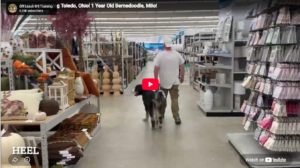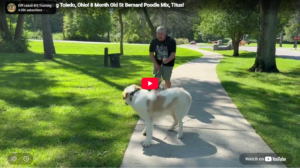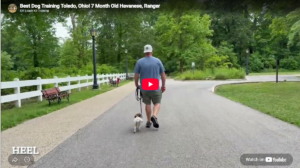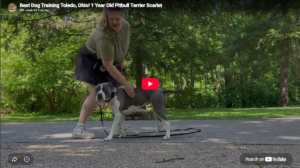
Senior dog training can help an older dog improve daily manners, rebuild focus, and feel more secure at home and on walks. Age can change a dog’s energy, hearing, vision, mobility, and confidence, but it does not remove the ability to learn.
With the right training approach, older dogs can learn new commands effectively, reduce bad habits, and enjoy more fun with their humans in their golden years.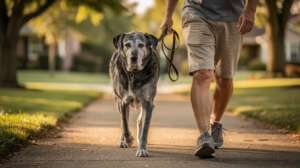
Key Takeaways
- Senior dog training is absolutely possible and can improve manners, comfort, confidence, and well-being in an older dog.
- Common issues like pulling, jumping, barking, poor recall, and ignoring commands can still improve in adult dogs and senior dogs.
- Training sessions should be short, around 5 to 10 minutes each, and matched to the dog’s physical abilities, health, and energy.
- Calm structure at home, consistent training, and professional training when needed can make life easier for both older dogs and dog owners.
Why Senior Dog Training Still Matters
Senior dog training still matters because a dog’s senior years should be safe, comfortable, and connected. Dogs are often considered senior at different ages depending on size, breed, and health, with larger dogs aging sooner and smaller dogs often reaching senior status later.
Better manners make daily life easier. Calm leash manners can reduce sudden pulling and abrupt movements that may be uncomfortable for an older dog, while reliable recall can support safety and polite greetings can reduce unwanted jumping.
Training also gives mental stimulation. Engaging senior dogs with simple training, puzzle toys, scent games, and problem-solving activities can help keep their minds active. Research on canine aging continues to show that older dogs can still learn, even when some cognitive changes appear, as long as training is adjusted to their comfort and ability.
The “old dog, new tricks” saying is misleading. Many older dogs can still learn new commands, new routines, and better manners with patience, consistency, and age-appropriate expectations. Revisiting dog obedience later in life can help manage long-standing habits without overwhelming the dog.
Training Tips for Better Manners in Older Dogs
These older dog training tips are for dog owners who want simple, practical steps. Common behavior issues in senior and adult dogs include pulling on leash, jumping on visitors, barking at noises, poor recall, and ignoring commands when distracted.
For leash manners, start with a slow pace and reward any slack in the leash. Teach a gentle heel or loose-leash walk in quiet areas first, then gradually increase mild distractions. Keep training sessions short, add rest breaks, and use high-value treats when the dog’s motivation drops.
For jumping, teach the dog to sit for greetings. Manage the doorway with a leash, gate, or clear routine so the dog cannot keep practicing the old behavior. Reward the desired behavior quickly, such as four paws on the floor or a calm sit.
For barking, identify triggers before trying to stop the noise. Reward quiet moments, then add a calm verbal cue like “quiet.” Yelling often increases stress, while positive reinforcement helps senior dogs focus better during training.
For recall, begin in a quiet room, hallway, or fenced yard. Use a long line outside, high-value treats, praise, and only 3 to 5 repetitions at a time. As the dog’s response improves, gradually increase the distance and distractions.
The place command is one of the most useful tools for better manners. Teach your dog to go to a soft bed or mat, reward calm behavior there, and use the spot during meals, door greetings, or evening downtime. With proper training, place becomes a relaxation station rather than just another trick.
How to Rebuild Obedience With Patience
Training older dogs often means rebuilding a strong foundation: sit, down, place, heel, recall, and stay. Basic commands like “sit” and “stay” can support focus, but older dogs may need clearer cues, shorter sessions, and adjustments based on comfort, hearing, vision, or mobility.
Re-teach sit and down with gentle luring instead of pushing the dog’s body. Use a cushion, raised bed, or soft mat if the floor is uncomfortable. If the dog has a hard time folding into a sit, reward a partial bend or a calm stand instead.
Rebuild the place command on a padded bed or orthopedic mat. Pair it with quiet time, treats, and a calm voice. This helps the dog’s mental state shift from alert or anxious to settled.
For heel work, use clear starting cues and short distances. A senior dog does not need long periods of tight heel work to show good behavior. Encourage low-impact walking habits that help your dog stay active while protecting comfort, balance, and mobility.
Begin with brief sessions and stop before the dog becomes tired, uncomfortable, distracted, or frustrated. Some senior dogs may comfortably work for several minutes, while others need much shorter sessions and longer rest periods. Adjust the frequency and duration according to the dog’s health, stamina, interest, and veterinary guidance.
Short, consistent sessions usually work better than long drills. Training sessions should be short, around 10 minutes daily, and many older dogs do well with 1 to 3 training sessions per day. Keeping training sessions short protects focus, confidence, and enthusiasm.
Training With Comfort, Mobility, and Health in Mind
Senior dog training must consider comfort, mobility, confidence, and health before asking for new tricks. Older dogs may have reduced hearing, vision, or mobility, and physical limitations can hinder an older dog’s ability to learn.
Prioritize a health check before changing the training plan, especially if the dog is stiff, limping, suddenly reactive, or reluctant to move. A veterinarian can check for pain, arthritis, dental issues, sensory loss, or cognitive dysfunction. These health changes can affect learning, focus, movement, and behavior in senior dogs.
Joint disease, including osteoarthritis, is common in dogs and becomes an especially important consideration as dogs age. Use non-slip flooring, softer resting surfaces, appropriate step heights, and exercises matched to the dog’s mobility. Avoid repeated jumping, sharp turns, or uncomfortable positions, and consult a veterinarian if your dog shows stiffness, limping, pain, or reluctance to move.
Adapt communication for sensory changes. Use clearer verbal cues, larger hand signals, and gentle touch cues when needed. Incorporating hand signals can help dogs with hearing loss understand what you are asking.
Confidence is part of health. Set up easy wins, use positive reinforcement, and avoid asking for new behaviors that clearly cause discomfort. Training senior dogs requires a shift toward patience and positive reinforcement, and avoiding punitive methods is crucial for building trust during training.
How Calm Structure Helps Senior Dogs Feel Secure
Older dogs often feel safest when the day is predictable. Calm structure supports manners and the dog’s mental well-being by helping the pet understand what comes next.
Calm structure can include regular feeding times, walk times, training windows, and clear house rules. Consistency in training improves obedience in senior dogs, and consistency is essential in training to ensure everyone uses the same cues.
Use place, doorway routines, and leash manners inside the home. For example, ask for sit and wait before exiting the door, then release the dog calmly. This teaches impulse control without creating pressure.
A simple evening routine can make a big difference. A short walk, water break, place time, and quiet toy can help an older dog settle instead of pacing or barking. This gives both you and your dog a more predictable rhythm at home.
Common Mistakes When Training a Senior Dog
Avoiding a few common errors makes senior dog training safer and less frustrating for both the dog and the person holding the leash.
- Training too long: Long sessions can drain a senior dog quickly. Keep sessions to 5 to 10 minutes and stop before fatigue shows.
- Skipping health checks: Pain can look like stubbornness. Talk with a vet if your dog resists sitting, lies down slowly, or suddenly ignores commands.
- Expecting a young pup pace: A senior dog may need more repetition than a puppy or young adult dog. Be patient and give enough time for learning.
- Using punishment: Corrections may suppress behavior without teaching the right choice. Positive reinforcement is crucial for training older dogs.
- Being inconsistent: If family members use different rules, the dog becomes confused. Consistent training helps the dog understand what earns rewards.
- Giving up too soon: Older dogs can learn new commands at any age with patience. Gradual retraining is important for older dogs with ingrained behaviors.
- Forgetting motivation: Treats, praise, play, or a favorite toy can make practice more rewarding. Match rewards to the dog’s motivation.
When Professional Training May Help
Some senior dogs and dog owners benefit from guided older dog training, especially when behaviors have been practiced for years. Professional training may help with strong pulling, reactivity, aggression, severe barking, or a senior dog that ignores commands completely.
A professional trainer can review the dog’s behavior history, observe how the dog responds during training, and adapt exercises around known limitations. A veterinarian should evaluate pain, mobility problems, sensory loss, or other medical concerns before the training plan is changed.
Aggression, sudden reactivity, or significant behavioral changes in a senior dog require additional care. Pain, sensory loss, fear, guarding, and cognitive changes can all affect behavior. A veterinarian should first evaluate new or rapidly worsening behavior to help rule out an underlying medical cause.
Off Leash K9 Training Toledo’s standard 1 Week and 2 Week Board & Train programs are not intended for aggression, anxiety, or behavior-modification cases. Dogs with those concerns should be evaluated for the separate Aggression/Anxiety Package. Private lessons or a board-and-train program may be considered for general obedience after the dog’s health, mobility, temperament, and training goals have been reviewed.
Board and train programs can provide structured obedience work in a more immersive setting, but the right fit depends on the dog’s age, health, temperament, and goals. Senior dogs may need shorter sessions, extra rest, comfort adjustments, and a clear plan for owner follow-through after training.
Private lessons or professional guidance may also help some adult dogs, especially when the training plan is calm, well-managed, and appropriate for age and comfort. A senior dog needs a different pace than a young pup, but the goal is still clear communication, confidence, and better manners.
Final Thoughts
Senior dog training can improve dog obedience, better manners, and comfort, even after many years of habits. Older dogs can learn new behaviors with consistent training, especially when practice is short, clear, and rewarding.
With patience, positive reinforcement, and age-appropriate expectations, an older dog can learn new commands, new tricks, and calmer routines at home and on walks. Training can provide valuable mental stimulation, support engagement, and give senior dogs a predictable way to interact with their owners.
If you want better leash manners, recall, place command reliability, or calm behavior in your older dog, consider getting help from a qualified professional trainer. The right training program can make the process clearer, safer, and more enjoyable for both you and your dog.
FAQ
These questions cover extra concerns about older dog training, recall, leash manners, and consistent training that many dog owners have.
How many training sessions per day are best for a senior dog?
Most senior dogs do well with 1-3 short training sessions per day. Each session should last about 5 to 10 minutes, depending on stamina, interest, and comfort.
Watch for signs of fatigue, such as slower responses, panting, stiffness, or sniffing away from you. End with an easy behavior and a reward so the dog finishes feeling successful.
Can an older dog with arthritis still learn new obedience commands?
Yes, many dogs with arthritis can learn new obedience commands as long as training does not cause pain. Get veterinary guidance first, then adjust behaviors so the dog is not forced into uncomfortable positions.
Use soft surfaces, slow movement, and low-impact exercise. A stand, touch, or gentle bow may be more comfortable than repeated sits or downs.
What if my senior dog seems confused or forgets commands they used to know?
Some slower responses can happen as a dog ages, especially with sensory or cognitive changes. Go back to basic commands, use simpler cues, and practice in quiet, familiar spaces with minimal distractions.
A predictable evening routine may help some senior dogs settle. A short, comfortable walk, water break, quiet place time, and an appropriate enrichment activity can create a calmer rhythm. However, new or increasing nighttime pacing, barking, confusion, house-soiling, or sleep changes should be discussed with a veterinarian rather than treated only as a training problem.
Is it too late to fix leash pulling in a 10-year-old dog?
It is usually not too late, but changing leash pulling in a 10-year-old dog takes patience and consistency. Start in low-distraction areas and reward every moment of slack in the leash.
Take short walks focused on leash manners rather than distance. If the dog is strong, reactive, or difficult to control, professional training can help tailor the plan to the dog’s age, health, and strength.
Can senior dogs still enjoy dog sports or tricks?
Many senior dogs can enjoy gentle tricks, scent games, and modified dog sports when the activity fits their health and energy. The goal is not speed or intensity, but safe movement, mental stimulation, and confidence.
Teach new things slowly and keep success easy. A simple new-tricks routine can include nose targeting, paw lift, a slow spin, or finding a treat hidden under a cup.