When Should a Puppy Start Leash Training?

Bringing a new puppy home is exciting, but it also raises one of the most common questions dog owners ask: When should you start leash training a puppy? The good news is that you can begin much earlier than most people think. With the right approach, leash training becomes a calm, rewarding step-by-step process that sets your pup up for a lifetime of confident walking. 

Key Takeaways

  • Most puppies can start leash training as early as 8 weeks old, right when they arrive in their new home.
  • Early training sessions should be short, positive, and take place indoors or in a quiet area before moving to busier locations.
  • Puppy pulling, puppy biting the leash, and freezing in place are all normal at first and improve with consistent training.
  • Basic obedience skills like sit, heel, and recall make loose leash walking much easier to achieve.
  • If leash manners do not improve or feel overwhelming, a professional trainer can help before bad habits set in.

When Should You Start Leash Training a Puppy?

The direct answer to when you should start leash training a puppy is simple: start leash training as soon as your puppy is settled in their new home, typically around 8 weeks old. Puppies are active learners at this early age, and early introduction to a leash helps build comfort, confidence, and better walking habits before pulling or resistance becomes stronger. 

Here is a practical timeline to follow:

AgeFocusLocation
8 to 10 weeksIntroduce a collar or harness and lightweight leash through very short, positive sessions Indoors or in a clean, secure private area approved by your veterinarianIndoors only
10 to 16 weeksBrief leash walking practice; start introducing basic cuesYard or quiet driveway
After veterinarian-approved public exposureGradually increase walk length and exposureQuiet sidewalks, then busier areas

Puppies can start leash training as early as 12 weeks old if they come home a bit later, but most families will want to begin around 8 weeks. Leash training should begin once puppies are settled in their new home and comfortable with their surroundings.

At this stage, sessions are not about perfect loose leash walking. They are about comfort, curiosity, and building positive associations. Each puppy grows and develops at a different pace, so adjust based on your pup’s energy level, confidence, and ability to focus for even a minute or two. Use private yards, quiet spaces, or veterinarian-approved areas before practicing around unknown dogs or busy public places.

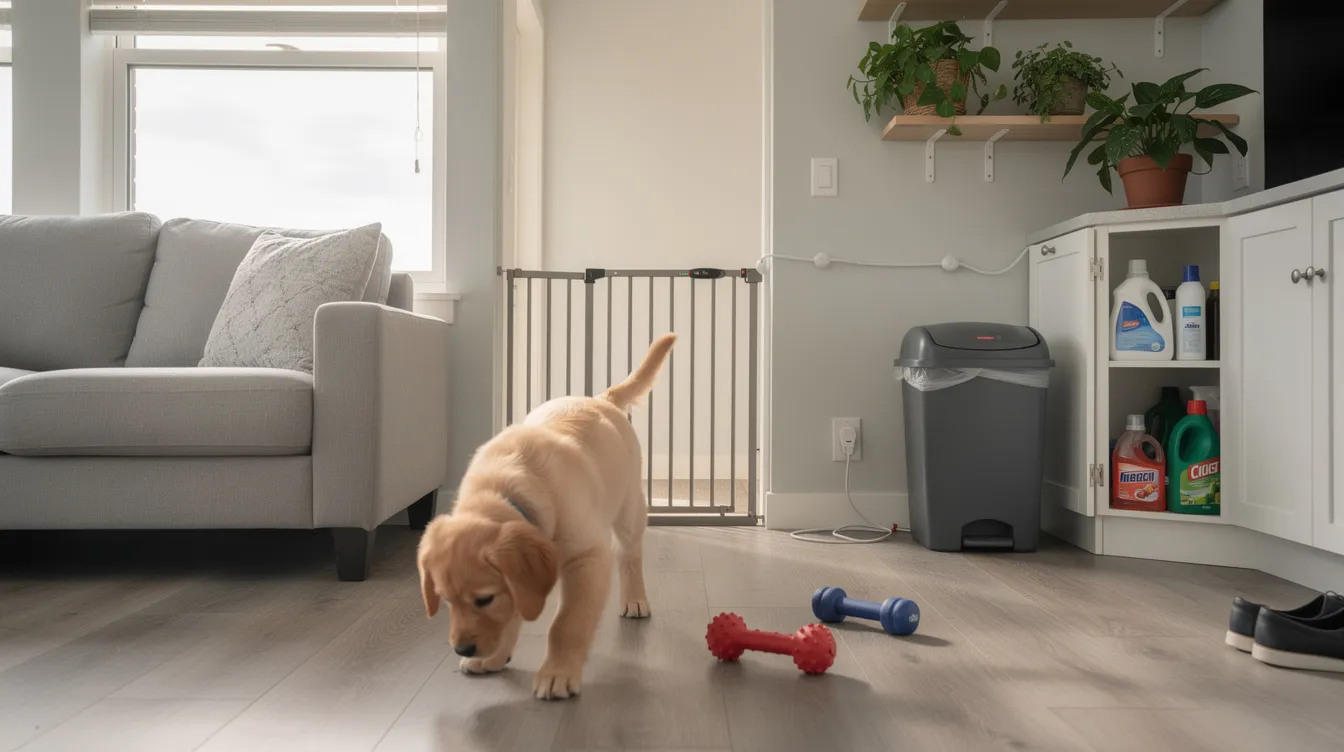
When should you start leash training a puppy at home

How to Introduce the Leash the Right Way

Calm, slow introductions prevent fear, negative associations, and leash battles later. Rushing this training process is one of the most common mistakes pet parents make.

Start with the gear. Let your puppy wear a flat collar or comfortable harness for a few minutes at a time while eating or playing. Puppies should wear a collar with an ID tag, while a well-fitted harness is often helpful for leash practice because it spreads pressure across the body. Collars should fit snugly, allowing two fingers underneath. Avoid harsh leash corrections or equipment that puts unnecessary pressure on a young puppy’s neck. 

A front clip harness can give you better control if your pup starts pulling early. Keep the gear lightweight, comfortable, and properly fitted so your puppy can move naturally. Make sure the puppy is comfortable wearing the gear before clipping on a leash. 

Introduce the leash indoors. Clip a lightweight leash (a 4 to 6-foot training lead works well) and let the puppy drag it briefly under supervision. Then pick up the leash, walk a few steps, and use tasty treats and gentle praise to reward any calm movement. This is where positive reinforcement becomes the foundation of every session.

Keep early sessions under 3 to 5 minutes, several times per day. Never yank, scold, or drag the puppy forward. Start introducing the leash in a quiet room or hallway with few other distractions. End each session before frustration sets in. The goal is to encourage good behavior, not force compliance.

Building Better Leash Manners With Basic Obedience

Basic obedience skills can make leash training easier by improving communication and helping your puppy focus around distractions. However, loose-leash walking is also a skill of its own. Puppies learn it through short practice sessions that reward staying near the handler, checking in, and keeping slack in the leash.

Key foundation behaviors to teach early:

  • Sit and down on cue 
  • Place (settling calmly on a mat or bed)
  • Heel or “with me” (walking alongside you)
  • Recall with a fun cue like “come”

Practice these skills first in the living room, then in the yard, then on leash. This helps your puppy learn how to respond to mild distractions before seeing a busy sidewalk, park path, or other high-distraction area.

Try short training games: walk a few steps in heel, stop for a sit, and reward your puppy with treats for walking beside you. Practice recall on a long line. Keep training sessions short to match a puppy’s attention span, and focus on a few repetitions done well rather than long, exhausting drills.

Structured practice can build focus, improve communication, and support calmer walking habits as your puppy matures. It may also make pulling and overexcitement easier to manage. However, fear, pain, frustration, and other underlying factors can also affect leash behavior and may require individualized support.

Guided puppy training can reinforce these skills with clear instruction, age-appropriate practice, and safe exposure to mild distractions.

When should you start leash training a puppy outdoors

Common Puppy Leash Training Problems

Most new puppies will pull, bite the leash, or hesitate when first learning to walk on a leash. These are not signs of a “bad” dog. They are a normal part of training a puppy.

Pulling. Puppies often pull on leashes due to excitement, not defiance. When your dog pulls, stop moving immediately. Wait for any slack in the leash, then move forward again. Stopping movement when pulling occurs teaches loose leash walking over time. Reward any moment the leash stays loose. This teaches the puppy that calm walking alongside you is what gets them where they want to go. Loose-leash walking improves control and helps reduce the risk of falls, escapes, or unsafe encounters during walks. Puppies should remain securely leashed in public areas and anywhere local rules require it.

Leash biting. Redirect biting behavior by offering a favorite toy or treat. Ask for a simple cue like sit, then reward the positive behavior of keeping their mouth off the leash. Stay calm and avoid turning it into a tug game.

Freezing or refusing to walk. Some puppies become comfortable within a few sessions, while others need more gradual practice. Use treats and gentle encouragement, move only short distances, and avoid dragging the puppy forward. If freezing is persistent, sudden, or accompanied by signs of pain or intense fear, consult your veterinarian or a qualified behavior professional.

Overexcitement around distractions. If your puppy is easily distracted or barking at a dog approaching, create distance. Use a cue the puppy already knows, capture your dog’s attention with a treat, and reward calm focus back on you. Watch your puppy’s body language for signs of stress or overstimulation.

Leash aggression often stems from fear, frustration, or anxiety, not dominance. If these patterns do not improve after consistent practice, professional guidance can help before behavioral issues become deeply rooted. Leash training helps puppies learn boundaries, focus, and self-control, which can support better behavior during walks as they mature. 

Final Thoughts

If you are still asking when should you start leash training a puppy, the answer is clear: begin at an early age, around 8 weeks, with short, positive sessions. Leash training includes teaching proper walking habits for puppies, and the right equipment, patience, and consistency make a big difference. 

Progress may feel slow at first, and that is completely normal. Both you and your puppy are learning together. Pay attention to stress signals and slow down when needed rather than pushing into overwhelming situations or relying on pressure, corrections, or punishment. 

Leash training can help puppies build confidence, reduce stress around walks, and create the foundation for every walk you will take together. If your puppy’s leash manners are not improving, or if you are seeing early signs of reactivity, reaching out to a qualified trainer for help with puppy leash training, loose leash walking, and early obedience can set your puppy up for long-term success. The earlier you start training your puppy with guidance, the easier the path forward. 

When should you start leash training a puppy on walks

FAQ

How long should early leash training sessions last for a young puppy?

Most puppies under 4 months do best with very short sessions of 1 to 5 minutes, several times per day. Quality matters more than quantity. A few focused steps of calm leash walking followed by a break to play or rest is far more effective than one long, frustrating walk. End each session on a small success, like a few loose leash steps or a nice sit, so your pup looks forward to the next practice.

What are signs that my puppy is overwhelmed during leash training?

Watch for a tucked tail, pinned ears, constant pulling away, refusing to move, repeated yawning, lip licking, or sudden intense sniffing that looks like avoidance. If you see these signals, move to a quieter area, shorten the session, and return to simple, well-known cues with plenty of rewards. Ignoring these signs and pushing ahead can create long-term stress around new environments and leash walking.

Should I train with a collar or a harness first for a young puppy?

Many puppies do well starting with a well-fitted harness that protects the neck and spreads pressure evenly. A flat collar is still useful for ID tags, but heavy leash corrections are not appropriate for young puppies. Check the fit regularly as the puppy grows, and choose the right equipment that allows free shoulder movement and comfortable breathing. A front clip harness can help redirect early pulling.

When can I practice leash walking in busy places like parks or downtown areas?

Wait until your puppy has veterinarian-approved public exposure and can walk calmly in a quiet area without constant pulling or panic. Gradually increase distractions: start in the yard, then move to a quiet sidewalk, then slightly busier areas. Keep sessions short and reward focus. If your puppy suddenly regresses or appears stressed in new environments, step back to easier locations before trying again. This is not a setback; it is part of the training process.

When is it a good idea to get professional help for leash training?

Professional support can be helpful when a puppy shows persistent fear, pulling, barking, or lunging around people, dogs, or traffic. Early guidance can help owners understand the cause, improve handling, and address concerning behavior before it becomes more established.


How to Stop Puppy Biting Before It Becomes a Bigger Habit

Key Takeaways

  • Puppy biting is normal, especially because puppies explore the world with their mouths, play, and relieve sore gums during teething.
  • Early puppy biting training helps teach bite inhibition, calm behavior, and safer puppy manners before the habit gets stronger.
  • Redirection to a chew toy, tug toy, or puppy safe chews works best when paired with clear feedback and consistent training.
  • Yelling, rough play, or physical punishment can increase fear, arousal, and future aggression.
  • Seek help if biting behavior is hard, frequent, fearful, or connected to guarding food, toys, or space.

Introduction

A new puppy can feel like a tiny land shark. Puppy biting training helps dog owners guide normal mouthing, nipping, and play biting into safer habits around human skin.

Young puppies bite, nip, and mouth as part of normal development. The goal is not to stop all curiosity overnight, but to teach your puppy to mouth gently, learn bite inhibition, and choose a toy instead of hands.

This guide explains why puppies bite, how to stop puppy biting calmly, what common mistakes to avoid, when to start puppy training, and when professional dog training may be the safer next step.

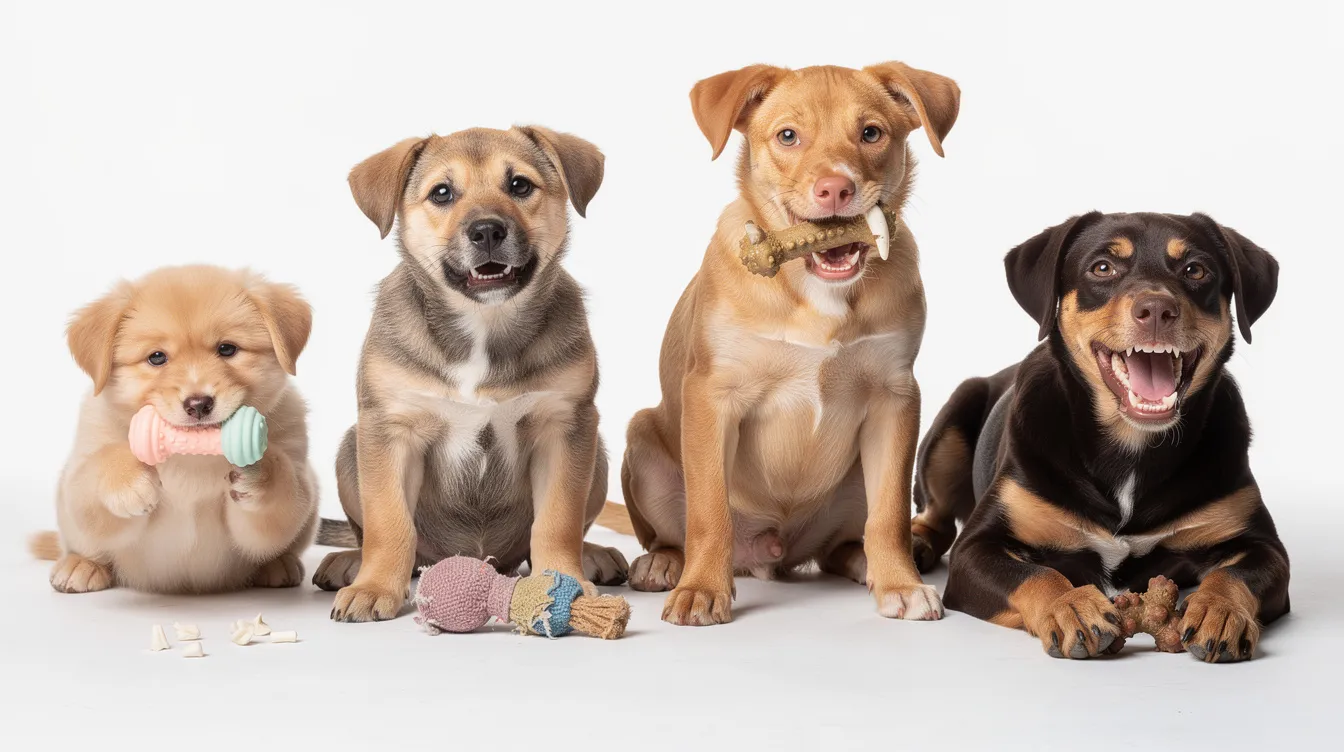
Puppy biting training with chew toy during indoor playtime!!

Why Puppies Bite and Nip

Many puppies mouth and nip as part of normal social play, exploration, and interaction with people. Teething can add discomfort and increase chewing, but it is not the only cause of puppy biting. Nipping may become more frequent when a puppy is excited, overtired, frustrated, or accidentally rewarded with attention or continued play.

Puppy teeth are sharp. Puppies have 28 deciduous teeth that fall out by 6 months, and sore gums can make puppy mouthing worse. A playful puppy may also bite when overtired or overexcited, and puppies need up to 18–20 hours of sleep a day.

Puppies begin learning bite inhibition from their mother and littermates. During play, another puppy may yelp, pull away, or stop playing after a hard bite. Bite inhibition is a dog’s ability to control bite force, and strong bite inhibition can help reduce the risk of harder, more harmful bites as the puppy matures. 

Normal play biting usually comes with a relaxed body, loose movement, and a quick release. More concerning biting may include stiffness, hard staring, growling, guarding, or a pup that bites when feeling scared or uncomfortable. Puppy owners often mistake playful mouthing for aggression, so reading the puppy’s behavior matters. 

Puppy Biting Training Tips That Build Better Habits

Early puppy biting training builds safer adult habits around children, guests, and adult dogs. Teaching bite inhibition is a key training goal for puppies, and professional trainers can teach bite inhibition effectively when the habit is intense.

Set house rules on day one. Avoid using hands or feet as toys to prevent biting, and make sure every family member responds the same way to puppy nipping, jumping, and grabbing sleeves.

A calm “ouch” or brief pause can tell the puppy that the bite was too hard. Some puppies respond to a short yelp because it resembles feedback from littermate play, but others become more excited. If the puppy gets more wound up, skip the yelp and calmly remove attention for a moment.

If yelping makes your puppy more excited, remain quiet and calmly end the interaction for a brief moment. A short pause in attention may help the puppy learn that hard mouthing causes play to stop. Resume interaction when the puppy is calmer, redirect to an appropriate toy, and reward gentle play. Avoid yelling, startling, or physically correcting the puppy.

Add obedience. Sit, down, recall, and the place command give your puppy something better to do than bite. Short 2 to 5-minute sessions build impulse control, mental stimulation, and good behavior.

How to Redirect Biting Calmly

Redirection is one of the main ways to help puppies stop biting people. When clear feedback is paired with an appropriate toy or chew, the puppy learns what does not work and what to do instead. 

When your puppy grabs clothing or skin, immediately redirect to a chew toy, tug toy, or frozen teething chew. The goal is to show the puppy what is acceptable to bite instead of only correcting what is not allowed. 

Try this simple pattern:

  1. Freeze your hand or clothing.
  2. Say “ouch” or “off.”
  3. Offer a toy near the mouth.
  4. Praise when the puppy releases and takes the toy.
  5. Continue play only when the puppy lets go of the skin.

Teach “leave it” or “off” by trading for something better. When the puppy releases a sleeve and chooses a chew, reward that choice. This teaches the pup that letting go pays.

Tug can be played safely when it starts and stops on cue. Pause the game whenever teeth touch skin and resume only after the puppy is calm. If the puppy becomes overstimulated, calmly move them to a quiet, puppy-safe area with an appropriate chew. A crate may be used as a settling space, but it should never be presented as punishment or associated with anger.

Puppy biting training with rope toy and owner guidance

Common Mistakes That Make Puppy Biting Worse

Well-meaning pet parents often send mixed signals. The most common mistakes include rough play with hands, letting the puppy chew fingers “just this once,” chasing when the puppy grabs pants, or laughing when children get nipped.

Harsh punishments can lead to increased aggression and fear in puppies. Physical punishment, alpha rolls, squeezing the muzzle, or grabbing the puppy’s face can damage trust and may trigger defensive biting as the dog matures.

Yelling can also raise arousal. A temper tantrum or puppy temper tantrum often happens when the puppy is tired, frustrated, or overstimulated. Calm redirection, structured daily play, exercise, and rest work better. Exercise helps reduce biting behavior in puppies, but overtired puppies typically bite more and listen less.

How Obedience and Routine Support Better Puppy Manners

Obedience gives your puppy a job. Sit can replace jumping, down can slow excited greetings, and recall can pull the dog away from ankles, shoes, or sleeves.

The place command is especially useful at home. Teach the puppy to relax on a mat or bed while people cook, watch TV, or move through the room. This lowers random nipping and builds calm behavior.

Build a daily rhythm of exercise, puppy training, supervised chew time, structured daily play, and naps. Structured puppy training can support socialization, basic manners, and confidence when it is safe, positive, and age-appropriate. Proper early socialization helps puppies learn how to handle people, animals, sounds, and new environments without becoming overwhelmed.

Puppy biting training with chew bone and calm rest period

When Puppy Biting Becomes a Bigger Concern

Most puppy biting is normal behavior that can be trained. Still, get help sooner if you see stiff posture, hard staring, deep bites, growling with bites, or biting that breaks skin regularly.

Biting around food bowls, bones, stolen items, or favorite toys may point to early guarding. Puppies may bite when feeling scared or uncomfortable, so do not force contact if body language looks tense.

If a puppy continues biting frequently at 6 to 8 months, especially during grooming, petting, collar handling, or routine movement through the home, the behavior deserves closer evaluation. Persistent biting may involve learned play, fear, guarding, handling sensitivity, frustration, or physical discomfort. Consult a veterinarian when the behavior appears suddenly, causes injury, or may be connected to pain, and work with a qualified behavior professional when aggression or safety is a concern.

When to Start Puppy Biting Training

Start as soon as the new puppy comes home, often between 8 and 12 weeks. Early-stage bite inhibition training is easier before the puppy has full adult strength.

Practice several short sessions daily. Focus on name response, sit, down, place, recall, polite handling, and calm chewing. Teaching a puppy not to bite is really teaching the puppy what to do instead.

Starting at 5 or 6 months is still helpful, although an established pattern may require more consistent management and training. Off Leash K9 Training Toledo currently offers a Puppy Training Consultation for early concerns such as socialization, confidence building, basic commands, and common puppy behaviors. The two-week Board & Train program is listed for dogs six months or older, while owners of younger puppies are encouraged to call and discuss appropriate options.

Final Thoughts on Puppy Biting Training

Puppy biting training is about guiding normal behavior into safer habits with redirection, clear feedback, and calm structure. Most puppies do best when the family stays consistent and rewards gentle choices.

Appropriate chew toys, obedience basics, and steady bite inhibition training help your puppy learn what belongs in the mouth and what does not. Many puppies improve as they mature and finish teething, but the habits you build now affect long-term manners. 

If puppy nipping, playful mouthing, or hard biting is becoming stressful, get help with puppy manners and early obedience before the habit becomes harder to manage. 

FAQ

How long does the puppy biting stage usually last?

Most puppies bite the most during early puppyhood and teething, often between about 8 weeks and 5 or 6 months. Many improve as they mature and finish teething, but playful mouthing can continue if it has been allowed or rewarded. Consistent training, redirection, and calm boundaries help the habit fade more reliably. 

Should I let my puppy chew on my hands if it does not hurt?

No. Even if it seems gentle, puppies struggle to understand when teeth on human skin become too much. Offer a chew toy or tug toy instead so the rule stays clear.

What are the best toys to help puppies stop biting me?

Use a mix of durable rubber toys, soft but sturdy plush toys, rope toys, and puppy-safe chews sized for your puppy. Frozen teething toys or a supervised damp washcloth can soothe sore gums and reduce play biting on people.

Can I use a spray bottle or loud noise to correct puppy biting?

Sprays or loud noises may interrupt biting in the moment, but they can increase fear, anxiety, and confusion. Calm redirection, brief pauses, and positive reinforcement build better long-term bite inhibition.

Is it too late to work on biting if my puppy is already six months old?

No, but the habit may be stronger by six months. Combine clear rules, daily obedience, timeouts when needed, and professional support if nipping, sleeve grabbing, or hard bites continue.