If your dog jumps onto the kitchen counter every time you turn your back, you are not alone. Counter surfing is one of the most common household frustrations for dog owners. The good news? Once you understand why dogs counter surf, you can take practical steps to stop it for good.
Key Takeaways
- Counter surfing means stealing food or items from counters and tables when humans are not watching
- Dogs do it because it works: food rewards, curiosity, boredom, and unclear boundaries all reinforce the behavior
- Yelling, chasing, or punishing often makes counter surfing worse or more sneaky instead of solving it
- Practical answers include blocking access, teaching clear obedience commands like place, leave it, and down, and keeping all family members consistent
- Managing your dog’s environment by keeping food and tempting objects out of reach is crucial to prevent counter surfing
What Is Dog Counter Surfing?
Counter surfing refers to when a dog places its front paws or full body onto kitchen counters, islands, or tables to grab food or objects. This behavior, sometimes called counter surfing in training circles, includes everything from a full jump onto the surface to stretching up from the floor with four paws still grounded to snag items near the edge.
Real-life examples are everywhere. A dog jumps up and steals a sandwich from the kitchen counter while you answer a quick phone call. Another grabs a cooling roast pan the moment someone turns to answer the door. Younger dogs and puppies may explore surfaces simply to see what is there.
Counter surfing is also a safety issue. Dogs can knock over hot dishes, causing burns, or access human food that is toxic, including grapes, onions, chocolate, or xylitol-sweetened items.
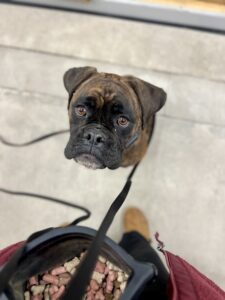
Why Do Dogs Counter Surf?
Understanding why do dogs counter surf helps you address the root cause instead of just reacting. Several factors usually overlap:
- Food rewards: If a dog finds food even once, the jackpot reinforces the behavior, making them likely to keep trying. Even a single successful grab of pizza or chicken creates a lasting memory that counters are worth checking.
- Curiosity: Curiosity is a natural trait in dogs, and they often counter surf to explore their environment and satisfy their inquisitive nature. A dog’s strong sense of smell can detect food residue or scents even on a seemingly clean counter.
- Boredom: Lack of mental stimulation or physical exercise can lead dogs to make their own fun. Counter surfing can also be driven by hunger or boredom, especially in under-exercised animals.
- Lack of boundaries: Dogs who have never been taught clear rules about staying off surfaces simply do what works for them. Dogs evolved to seek out food wherever available, and to them, a counter is just an elevated foraging zone.
- Learned habits: Dogs counter surf because they have learned that kitchen counters are an easy source of food, and this behavior is reinforced when they find food there, making them more likely to repeat it in the future.
This is not the dog being spiteful. It is normal, rewarded opportunism.
Why Yelling or Chasing Makes Things Worse
Picture this: you walk into the kitchen and find your dog with paws in the sink, surrounded by crumbs. Your first reaction is to yell or chase them down.
From the dog’s point of view, yelling can become attention or part of the excitement. If the dog manages to swallow the food while being chased, the behavior is still rewarded and often gets stronger. Many dogs learn to simply wait until the room is empty and become sneakier about their timing.
Harsh punishment can make some dogs afraid of the kitchen or wary of people, but it does not teach them what to do instead. Calm interruption, management, and teaching an alternative behavior work better long term.
How to Prevent Access to Counters
Prevention is often the fastest way to stop counter surfing while training is still in progress. The best way to stop counter-surfing is to prevent it from happening in the first place by ensuring that dogs never find food on the counter, as this will discourage them from looking there in the future.
Key prevention tips:
- Never leave food, dirty dishes, or wrappers within reach of dogs
- Using baby gates or crates can effectively limit your dog’s access to the kitchen or dining area when unsupervised, reducing the chances of counter surfing
- Clean counters thoroughly after cooking to remove enticing smells and residues
- Push tempting items to the back of the counter or store them in cabinets and the fridge
- Ensure chairs or other furniture are not placed where they can be used as steps to reach the counter
- Keeping counters clean and free of food smells is essential, as even crumbs can encourage dogs to engage in counter surfing behavior
Use crates or exercise pens during high-risk times like Thanksgiving prep or holiday dinners. Management is not a shortcut but a necessary step while you build reliable obedience.
Teaching Better Household Manners
Counter surfing connects to overall house rules and everyday obedience, not just kitchen behavior. Teaching basic rules like no jumping on people, waiting at doorways, and no begging at tables all support less counter surfing over time.
Structured routines help. Try leash walks before meals, calm sitting before the food bowl is set down, and waiting quietly while humans eat. Rewarding the dog for keeping four feet on the floor near counters helps them understand that staying grounded pays off.
Consistent physical and mental exercise is essential to keep dogs from seeking out their own activities driven by boredom. Use snuffle mats, puzzle feeders, or food-dispensing toys to satisfy dogs’ natural urge to scavenge in a safe way. Providing your dog with a food-stuffed toy or chew in another area of your home can serve as an alternative behavior to counter surfing.
Practice manners during real-life scenarios: while making coffee, packing lunches, or prepping dinner after work.
How Obedience Commands Help: Place, Leave It, and Down
Reliable obedience is one of the strongest tools for solving why do dogs counter surf long term.
Place command: Training your dog to go to a specific place while you prepare food can help prevent counter surfing by giving them a designated area to stay in, away from temptation. Position the dog bed or mat near but not inside the kitchen. Gradually increase duration, distance, and distractions like opening the fridge or setting dishes on the counter.
Leave it command: Teaching your dog the leave it cue can help manage counter surfing by rewarding them for ignoring food on the counter instead of jumping up to grab it. Start with low-value items on the ground, then progress to higher value foods and eventually practice near counters.
Down command: A solid down-stay keeps the dog anchored on the floor while you cook or clean. Practice short sessions several days a week using small treats or kibble, and work in different rooms.
These commands should work around real-world distractions like kids walking by, dropped crumbs, and guests arriving at the door.
Why Consistency From Every Family Member Matters
Dogs learn fastest when the rules are the same from everyone, every day. One person slipping food from the counter or letting the dog lick dishes at the sink can undo a week of careful training.
Families should agree on clear rules such as no food from counters or tables and dog always goes to place during meal prep. Consider posting kitchen rules on the fridge so kids, roommates, or visitors know the plan.
Consistency includes times of stress, like hosting guests in December or rushing out the door on school mornings. When everyone follows the same pattern, dogs stop gambling on counters because the payoff disappears.
When Professional Training Can Help
Some dogs keep counter surfing even when owners are trying hard on their own. Signs that extra help is useful include:
- Large dogs that can reach every surface
- Dogs who guard stolen food
- Dogs who ignore basic commands around food
- Most dogs in multi-dog homes where behaviors get copied
A trainer can spot patterns in home layouts, timing, and routines that owners may miss. Structured lessons or in-home training can build distraction-proof obedience, including place, leave it, down, and recall around busy kitchens.
Professional help is especially valuable for busy families who need efficient, real-world results. Seeking help is normal, and better manners are possible with a solid plan and consistent practice.
When Professional Training Can Help
If your dog keeps stealing food, ignoring commands, or causing stress in the kitchen, consider working with a qualified trainer. Professional guidance can speed up the process, build stronger obedience, and create a calmer, safer home environment. Contact a local dog training professional for help with household manners, counter surfing, and real-world obedience around distractions.
Ready to develop calm behavior and improve your dog’s manners? Start training today with expert support to create a happier home for everyone. Reach out now to get started on building better obedience and ending counter surfing for good.
FAQ
These common questions cover extra details about why dogs counter surf that were not fully addressed above.
Why does my dog only counter surf when I leave the room?
Many dogs quickly learn that people nearby mean lower chances of success, so they wait until the room is empty to jump up. This shows the dog has learned to be sneaky, not that they understand the behavior is wrong. Use gates, crates, or place training during times you step away. Practice controlled sessions where you pretend to leave, then return to reward the dog for staying on the ground.
Is counter surfing more common in certain breeds?
Any breed can counter surf, but taller dogs like Labradors, German Shepherds, or Doodles can reach surfaces more easily. Food-motivated breeds such as Beagles may be more persistent. However, breed is less important than how often the dog has been rewarded by finding food on counters. Focus on management and training rather than blaming the breed.
Can I leave my dog loose in the kitchen once training is finished?
Many dogs can earn more freedom over time, but it should be done gradually with supervision at first. Start with short periods where counters are completely clear. Keep management tools like baby gates and crates available for times when the animal backslides or tempting food is out. Long-term success depends on maintaining rules consistently.
Why do dogs counter surf more at night or early morning?
Quieter times often give dogs more opportunity because people are distracted or sleepy. If the meal was many hours earlier, the dog may be hungrier. Feed on a regular schedule, clear counters before bed, and use gates or a crate overnight if needed. Track when surfing happens to adjust feeding times and management around those patterns.