Introduction
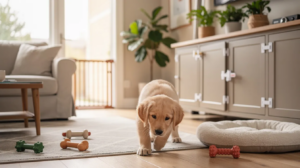
A puppy-proofing checklist is one of the most useful safety tools you’ll use before bringing a new puppy home. Puppy-proofing is akin to toddler-proofing. Young puppies are naturally curious, depend on you for protection, and explore the world around them with their mouths. Without systematic preparation, everyday household items can become potential hazards that may lead to injuries, accidental ingestion, or emergency veterinary care.
This guide covers comprehensive indoor and outdoor safety measures, with a particular focus on puppies aged 8 weeks to 6 months. It’s designed for every new puppy owner, particularly busy pet parents who want a clear, room-by-room approach to dog proofing without guesswork. We won’t dive into advanced behavior modification techniques, but we will connect puppy proofing your home to the foundation it creates for effective training and long-term puppy care.
Direct answer: A puppy proofing checklist includes securing electrical cords, identifying and removing toxic plants, storing medications and cleaning supplies safely, blocking access to dangerous areas with baby gates, and creating designated safe spaces with a crate and appropriate chew toys.
Here’s what you’ll gain from this guide:
- Room-by-room safety steps you can prioritize before your puppy arrives and during the first few weeks
- Hazard identification skills based on your puppy’s developmental stage
- Emergency prevention strategies based on common veterinary safety recommendations
- Cost-effective puppy-proofing solutions
- A prioritized approach so you tackle the biggest risks first
Understanding Puppy Development and Safety Needs
Puppies explore with their mouths and need careful supervision from the moment they arrive. This exploratory behavior isn’t misbehavior. It’s a normal part of development. During teething, which often becomes especially noticeable between 3 and 6 months, your pup’s drive to chew can intensify as 28 baby teeth give way to adult teeth. Understanding these developmental patterns is what separates reactive damage control from proactive puppy proofing.
Developmental Stages and Risk Factors
8–12 weeks: At this stage, your puppy is highly curious, increasingly mobile, and still developing coordination and awareness of their surroundings. Mouthing, grabbing, and exploratory play are normal parts of early development, which makes small objects, electrical cords, stairs, and elevated surfaces important hazards to manage. Close supervision or safe confinement is especially important whenever your puppy has access to a new area.
3–6 months: Teething often becomes especially noticeable around 3 to 4 months as puppy teeth begin falling out and adult teeth emerge, with the process generally continuing until about 6 months. Your puppy is also becoming more mobile and capable of reaching objects that were previously inaccessible, so chew hazards and household access need to be reassessed regularly. Training does not need to wait until this stage. Short, age-appropriate training can begin early and develop gradually as your puppy matures. Learning about the best age to start training a dog can help you plan those early lessons appropriately.
The timing of your proofing efforts matters enormously. Start before your puppy arrives whenever possible, especially in any room or outdoor space they will use immediately. Foreign-body ingestion, poisoning, falls, electrical injuries, and other household accidents can require emergency veterinary care, so reducing access to obvious hazards from day one is one of the most practical steps you can take.
Common Puppy Hazards by Category
Ingestion risks are an important category of danger. Potential hazards include human medications such as NSAIDs and acetaminophen, toxic foods, household chemicals, and poisonous plants. Keep chocolate, grapes and raisins, onions, and products containing xylitol safely out of reach. Xylitol may be found in some sugar-free gums, candies, baked goods, medications, dental products, and nut butters.
Sago Palm can cause severe poisoning, including liver damage or failure, while philodendron exposure commonly causes oral irritation, drooling, vomiting, and difficulty swallowing. The FDA’s potentially dangerous items list also identifies hazards such as antifreeze, rodenticides, human medications, and other potentially dangerous household items.
Physical dangers include electrical shock from chewing cords, falls from stairs or balconies, entrapment behind appliances, and injury from sharp objects like scissors, tools, or kitchen knives. Unstable furniture can also pose a hazard, so tall bookshelves, televisions, and other heavy items should be properly secured when necessary.
Understanding how your puppy’s developmental stage affects hazard severity lets you prioritize the right rooms and actions first, which is exactly what the implementation timeline covers next.
Priority Safety Zones and Implementation Timeline
With your puppy’s developmental needs in mind, the most effective approach is a systematic plan that tackles the highest-risk zones first and expands outward. This helps prevent overwhelm while ensuring the spaces where your dog spends the most time are safe from day one.
High-Priority Areas: Before Your Puppy Arrives
Kitchen safety should be a priority because kitchens can contain food hazards, cleaning products, sharp objects, trash, and small items that puppies may investigate. Secure cabinets containing hazardous substances with childproof latches. Use sturdy trash cans with locking or secure lids to prevent access to waste. Food scraps can include bones, wrappers, spoiled food, or other items that could cause poisoning or obstruction. Establish a consistent feeding area and avoid encouraging your puppy to forage around counters and tables.
Living areas need immediate cord and furniture management. Unplug unnecessary electrical cords or secure accessible cords with appropriate cord covers along baseboards. Anchor tall furniture or other items that could tip.
Bathroom hazards require quick action. Store medications securely, keep cleaning supplies in secured cabinets, and keep toilet lids closed, especially if cleaning products are used in the bowl. Raise blinds and secure dangling blind cords so they cannot become entangled around your puppy.
Secondary Areas: Continue During the First Weeks
Bedrooms can seem safe but often harbor choking or swallowing hazards. Remove small items from reach, including coins, jewelry, rubber bands, hair ties, earbuds, socks, and other personal items that may end up on the floor. Avoid leaving plastic bags accessible to puppies because they can create a suffocation or ingestion hazard. Block access to spaces where your puppy could become trapped or retrieve unsafe objects.
Garage and basement areas also require serious attention. These spaces commonly contain automotive fluids, paints, pesticides, antifreeze, tools, and other potentially dangerous or toxic materials. Store chemicals according to their labels and keep them securely out of your puppy’s reach. Secure tools, hardware, and sharp objects that could injure a curious pup.
Outdoor Spaces: Before First Use
Inspect your yard before allowing your puppy to explore it. Check fencing for loose boards, weak latches, digging points, and gaps a small puppy could squeeze through. Identify potentially toxic plants and chemicals, secure access to pools and hot tubs, and remove sharp objects or other hazards from areas your puppy will use.
Seasonal conditions matter too. Toledo winters can involve ice-melt products and freezing temperatures, while summer weather requires access to shade, fresh water, and protection from excessive heat.
Key timeline takeaway: Puppy-proof every area your puppy will have access to before first use. Start with the kitchen, living room, sleeping area, potty route, and outdoor space, then continue improving less-accessible areas over the following weeks. A staged approach can make the project manageable, but essential hazards should be secured before your puppy can reach them.
With the priorities established, let’s walk through specific steps for each room.
Room-by-Room Safety Implementation Guide
The priority zones above tell you when to address each area. This section tells you how, with practical procedures and layout-specific strategies you can apply immediately.
Kitchen Puppy Proofing Procedure
The kitchen can pose significant risks to curious puppies because it combines toxic foods, chemicals, sharp objects, trash, and potential entrapment zones in a single space. Get down at puppy level to spot hazards you might normally overlook.
- Install child-proof cabinet locks on lower cabinets containing cleaners, drain openers, chemicals, medications, or other hazardous materials.
- Secure trash cans with tight-fitting lids or relocate them inside a secured pantry or cabinet. Kitchen waste can contain toxic foods, bones, food packaging, and other items that may cause poisoning, choking, or digestive obstruction.
- Store human food securely. Keep chocolate, onions, grapes, raisins, and xylitol-containing products completely out of your puppy’s reach.
- Remove or elevate toxic foods from countertops, tables, and low surfaces. This includes grapes, raisins, chocolate, onions, and foods or products containing xylitol, including some sugar-free baked goods, candies, gums, and nut butters.
- Prevent access behind appliances where puppies could become trapped, chew electrical connections, or encounter other hazards. Use secure, appropriate barriers and make sure you do not obstruct required appliance ventilation. Keep appliance doors closed when they are not in use.
Living Room and Common Area Safety Comparison
Different home layouts demand different puppy-proofing strategies. Here’s how to choose the right approach based on your floor plan:
Safety Zones Comparison Table
| Criteria | Open Floor Plan | Traditional Layout |
| Electrical Cord Management | Fewer walls may mean longer cord runs. Use appropriate cord covers and cable management along accessible areas. Unplug unnecessary cords when practical. | It may be easier to isolate cords in specific rooms. Concentrate cord protection in areas your puppy can access. |
| Furniture Protection | More connected space can create more opportunities for chewing and climbing. Anchor unstable furniture and keep low surfaces clear of small objects. | Doors can help limit access to individual rooms, reducing the number of surfaces that need to be managed at once. |
| Traffic Flow Control | Use sturdy baby or pet gates to divide larger spaces and block unsafe areas such as stairs when necessary. | Closing doors or using a single appropriately installed gate may be enough to create a contained puppy area. |
For both layouts, use secure gates or closed doors to limit puppy access to unsafe areas, anchor furniture that could tip, and remove decorative or breakable items from your puppy’s reach. Create a safe puppy zone with a properly introduced crate and appropriately sized chew toys. This gives your puppy a controlled area for rest and supervised downtime.
Bathroom area: Keep toilet lids closed and store cosmetics, razors, medications, and cleaning products inside secured cabinets. Keep toilet paper, towels, and other tempting items out of reach if your puppy tends to chew or swallow them.
Bedrooms: Regularly check for items that migrate to the floor, including hair ties, earbuds, jewelry, socks, medication, and other small personal belongings. Consistently keeping these objects out of reach reduces opportunities for chewing or accidental swallowing.
Garage/Basement: Chemical safety is paramount. Automotive fluids, paints, pesticides, garden products, and other chemicals should be securely stored according to label directions. Secure unstable shelving and keep the door between the living space and garage closed when your puppy is unsupervised.
Outdoors: Beyond fencing, mow grass regularly and clear tall grass, brush, and leaf litter where ticks are more likely to be found. Check your puppy for ticks after outdoor activity and ask your veterinarian about appropriate tick prevention based on your puppy’s age and health. Follow product-label instructions for lawn treatments and keep your puppy away from treated areas for the recommended period. Provide fresh water and shade during warm weather, and supervise your puppy around pools, ponds, hot tubs, and other water features.
Understanding these room-by-room protocols is essential, but even a careful puppy-proofing plan can encounter real-world challenges. Here’s how to handle some of the most common ones.
Common Challenges and Solutions
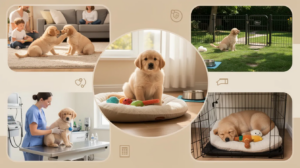
Even diligent puppy owners run into obstacles. These are common challenges along with practical ways to manage them.
Puppy Escapes Secured Areas
Gates with weak latches, openings, or poor installation can allow determined puppies to escape. Choose a sturdy gate appropriate for the opening and your puppy’s size, confirm that it cannot be easily pushed over or climbed, and check it regularly as your puppy grows.
Gradually acclimate your puppy to the confined area by feeding meals and providing appropriately sized chew toys or enrichment inside the space. Positive crate training can also help your puppy become more comfortable with safe confinement, but it does not replace secure barriers and supervision.
Destructive Chewing Despite Puppy Proofing
When your pup continues to chew despite proofed surroundings, consider teething, boredom, access to tempting objects, overexcitement, and insufficient supervision or enrichment. Redirect chewing to a variety of age-appropriate toys and rotate options to maintain interest.
Pet-safe taste deterrents may help on some surfaces when used according to the manufacturer’s directions. Provide age-appropriate physical activity, mental enrichment, and short training sessions. Practicing useful safety cues such as “leave it” and “drop it” can also help. Learning about proofing skills in dog training can help you understand how behaviors are gradually practiced around different environments and distractions.
If your puppy repeatedly tries to swallow non-food objects, contact your veterinarian for guidance rather than treating the behavior as ordinary chewing.
Family Members Inconsistent with Safety Protocols
One person leaves pill bottles within reach; another forgets to secure a cabinet; children scatter small objects across the floor. Create a visible puppy safety checklist and assign simple responsibilities throughout the household.
One person can handle food storage, another can check that trash cans and cabinets are secured, and children can help keep toys and small objects off the floor. Make sure everyone understands that consistency helps reduce the risk of poisoning, choking, obstruction, and other preventable emergencies.
Budget Constraints for Safety Equipment
Gates, crates, cabinet locks, and cord covers can add up quickly, so prioritize the hazards your puppy can reach first. Closed doors, secured trash cans, locked cabinets, and moving dangerous objects out of reach are inexpensive starting points.
Avoid temporary barriers that your puppy can chew through, knock over, or become trapped in. If you use a secondhand gate or enclosure, inspect it carefully for damage or missing hardware and check the model for safety recalls before relying on it.
Focus your budget on secure solutions for the most serious hazards rather than cosmetic puppy-proofing products.
With these challenges addressed, you’re better equipped to maintain a puppy-safe home as your dog grows and gains access to new areas.
Conclusion and Next Steps
Systematic puppy proofing can reduce your puppy’s exposure to preventable household hazards while creating a safer environment for training, play, rest, and socialization. No home can be completely risk-free, so puppy proofing works best alongside supervision, safe confinement, regular reassessment, and age-appropriate training as your puppy grows.
Your immediate action steps:
- Start with the kitchen, living room, sleeping area, potty route, and outdoor spaces your puppy will use. Secure cabinets, electrical cords, trash cans, and other obvious hazards before first access.
- Get down on the floor at your puppy’s level and scan every accessible room for overlooked hazards.
- Create a safe puppy zone with a properly sized crate or secure enclosure, fresh water when appropriate, and safe, appropriately sized chew toys.
- Establish a consistent potty training routine with supervision and regular trips to an appropriate outdoor potty area.
- Consider a puppy training consultation for guidance on house training, biting and jumping, socialization, confidence building, environmental desensitization, and early training foundations.
Related topics worth exploring include crate training for safe confinement, dog obedience training in Toledo for useful everyday behaviors, and safe, age-appropriate socialization. Ask your veterinarian for guidance about vaccination status, disease risk, parasite prevention, and appropriate outdoor exposure for your individual puppy.
Frequently Asked Questions
What are the most important puppy proofing tips for new owners?
Key puppy proofing tips include securing electrical cords, removing toxic plants and foods, storing medications and cleaning supplies safely, using secure gates or doors to block unsafe areas, and creating a designated safe zone with a crate and appropriate chew toys. Always supervise your puppy closely, especially during the teething phase.
How can I prevent my puppy from chewing on electrical cords?
Unplug unnecessary electrical cords and keep accessible cords out of reach by using cord covers, cable management, or secure barriers. Provide appropriate chew toys to redirect chewing, and replace any damaged cords rather than leaving them accessible to your puppy.
Why is it important to consider my puppy’s reach when puppy proofing?
Understanding your puppy’s reach helps identify which items and hazards are accessible to them. Puppies grow quickly and gain mobility, so regularly reassess your home to ensure that dangerous objects remain out of reach as your puppy’s height and jumping ability increase.
How does puppy proofing relate to potty training?
Puppy proofing supports potty training by limiting unsupervised access to the home and making it easier to supervise your puppy closely. A safe, controlled area combined with regular outdoor potty breaks can help you maintain a consistent routine while reducing opportunities for chewing, wandering, or getting into household hazards.
What other common hazards should I be aware of besides toxic foods and plants?
Other hazards include unsecured trash cans, small items like coins or rubber bands that could be swallowed, open toilet lids, household chemicals, sharp objects, electrical cords, and elevated areas where puppies could fall. Restrict access to stairs, balconies, pools, and other unsafe areas, and supervise outdoor activity around lawn treatments and during hot weather.
How can I prevent falls and injuries in my home?
Use secure barriers or closed doors to restrict access to stairs, balconies, and other areas where your puppy could fall. Secure loose rugs, remove clutter, and limit unnecessary jumping from beds, couches, or other elevated surfaces. If your puppy is allowed on furniture, a sturdy, nonslip ramp or pet stairs appropriate for their size may provide safer access when used with supervision.
Is puppy proofing a one-time task or ongoing?
Puppy proofing is an ongoing process. As your puppy grows and becomes more mobile and curious, reassess your home regularly to address new risks and adjust safety measures accordingly. Consistent supervision remains important throughout puppyhood.