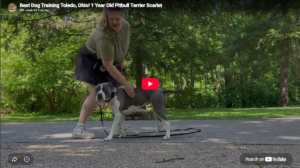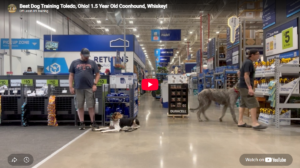
Learning how to teach a dog recall starts with short, easy repetitions: say your cue once, encourage your dog toward you, and reward them when they arrive. Begin indoors without distractions, then gradually practice in secure outdoor spaces using a leash or long line.
Recall means returning to the person who calls, even when something else looks interesting. It takes more than knowing a word. Your dog needs practice responding in different settings, while you maintain safety and make returning worthwhile.
Key Takeaways
- Begin close to your dog in a quiet space.
- Use one consistent cue and reward the complete return.
- Increase distance and distractions separately.
- Keep outdoor practice controlled with suitable equipment.
- Avoid punishment when your dog comes back.
- Maintain rewards and practice after initial progress.
Why Dogs Struggle to Come When Called
A dog who responds in the kitchen may struggle outdoors because the situation has changed. New smells, movement, sounds, and other animals compete for attention. That difference gives you information about training difficulty rather than proof that your dog is being deliberately difficult.
Sometimes the cue has an unhelpful history. Owners call repeatedly without a response, or recall only when play ends. Dogs may also hesitate if returning has led to scolding or uncomfortable handling.
Review what happens before and after your call. A clear routine helps your dog understand the task, while thoughtful rewards make choosing you more appealing. Recall belongs within dog obedience, but safety still depends on supervision and appropriate management.
How to Teach a Dog Recall Step by Step
1. Prepare Your Space and Rewards
Choose a quiet room with enough space for a few steps. Remove competing toys and ask family members to avoid calling simultaneously. Have small treats ready in a pocket or pouch.
Use rewards your dog enjoys, considering dietary needs. A favorite toy can also work when your dog can play safely and release it comfortably. The AVSAB guidance on humane dog training supports reward-based methods for teaching behavior.
2. Choose One Clear Recall Cue
Pick a short word such as “come” or “here.” Agree on the wording with everyone who handles your dog. Say it clearly in a friendly voice without turning it into a repeated chant.
Your dog’s name can attract attention, but the recall cue tells them what to do next. Avoid using several different phrases before your dog understands the basic task.
3. Start With a Short Return
When your dog is nearby and able to notice you, give the cue once and step backward a little. Encourage movement toward you with welcoming body language. Reward when your dog reaches you.
At first, choose moments when success is likely. You are teaching the meaning of the cue rather than testing whether your dog can resist an exciting distraction. Repeat a few times, then finish while your dog remains interested.
4. Reward Arrival and Comfortable Handling
Deliver the reward close to you so your dog learns to finish the return instead of stopping several feet away. Keep your hands relaxed and avoid looming over them.
Separately practice a gentle harness or collar touch paired with a treat, if your dog is comfortable. Gradually connect this handling with the return. Being able to attach a leash calmly makes recall more useful in daily life.
5. Add Distance Gradually
Move a little farther away within the same room before changing locations. Keep the exercise easy enough that your dog can respond promptly. If the response slows or stops, shorten the distance.
Increase one challenge at a time. A longer return in a familiar room is different from a longer return in a new yard. Changing everything together makes it harder to identify why your dog struggled.
Moving Recall Practice Outdoors Safely
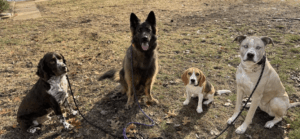
Practice first in a securely enclosed area or on suitable equipment where permitted. Inspect gates and fencing before relying on them. Keep away from traffic, wildlife, unfamiliar dogs, and other hazards.
A long line allows controlled distance during practice. Attach it to a well-fitting harness, keep it clear of legs and obstacles, and avoid letting your dog accelerate into its full length. Never wrap the line around your hand or body.
Learn safe handling before increasing distance, particularly with a large or powerful dog. Good leash control means preventing tangles and sudden impacts, rather than using the line to jerk your dog toward you. Ask a trainer to demonstrate if handling feels uncertain.
VCA’s guidance on teaching come, wait, and follow emphasizes that recall cannot replace a leash where vehicles or large animals could cross your dog’s path.
Adding Distractions Without Rushing
Choose a mild distraction your dog can notice without becoming overwhelmed. For example, have a helper stand still at a distance while you practice a short return. Avoid beginning with running children or approaching dogs.
When your dog succeeds, repeat before increasing difficulty. You might move farther from the helper, change their position, or allow a small movement. Adjust distance from the distraction separately from distance between you and your dog.
Watch the whole response. Does your dog turn toward you, travel directly, and arrive within reach? A dog who looks up but immediately returns to sniffing needs an easier setup.
The RSPCA’s recall training advice recommends building distractions gradually and keeping practice rewarding. Consistency matters more than repeatedly pushing beyond your dog’s current skills.
A Simple Recall Practice Routine
At home: Practice a few short returns between normal activities. Keep your cue consistent and reward each successful arrival during early learning.
In a secure yard: Begin near your dog, with distractions limited. Use appropriate equipment if the area is not fully secure.
During a quiet walk: Choose a safe location and practice within the available leash distance. Do not call your dog across a path used by others.
After practice: Record the location, distance, distraction, and response. These details help you choose the next exercise instead of relying on an impression that training went well.
For Toledo owners, the best starting location may be a quiet room or private enclosed yard rather than a busy public park. Choose conditions that suit your dog and comply with local leash requirements.
For example, write “living room, six feet, no distraction, prompt return” after an easy session. A later entry might read “yard, six feet, neighbor moving nearby, stopped halfway.” Keep the yard distance short and increase space from the neighbor next time. This comparison separates what your dog understands from what the environment demands. Share the notes with family members so everyone practices at a similar level rather than making unpredictable jumps in difficulty from one session to another.
Make Returning Worthwhile in Everyday Life
Sometimes reward your dog’s return and then release them back to an appropriate activity. For example, after a successful recall in a secure yard, allow more supervised sniffing. Coming back does not always need to end exploration.
Notice voluntary check-ins too. When your dog looks toward you or approaches without being called, acknowledge that choice with something they enjoy. This supports engagement alongside formal recall practice.
Keep rewards hidden until your dog responds once the exercise is understood. Showing food before every cue can become part of the expected picture. Rewarding afterward preserves the connection between the behavior and its consequence.
Avoid dropping rewards abruptly because your dog performed well yesterday. Outdoor environments can be demanding, and strong returns deserve reinforcement. Use rewards thoughtfully without expecting praise alone to compete with every distraction.
What to Do When Your Dog Does Not Respond
Stay calm and maintain control through your leash, long line, or secure enclosure. Avoid repeating the cue louder and louder. Move closer or reduce the distraction so you can help your dog succeed safely.
Do not punish a delayed return. From your dog’s perspective, the unpleasant interaction happens when they reach you. Keep arrival welcoming, then change the next training setup.
Review the cause afterward. Was the reward appealing? Was the environment unfamiliar? Had you increased distance too quickly? Were you calling while your dog was intensely focused elsewhere?
If failures repeat, return to an easier stage. Several successful short returns provide a better learning opportunity than repeated unsuccessful calls across a field. Training should build understanding before you depend on it.
Common Recall Training Mistakes to Avoid
Calling Only When Fun Ends
If recall always predicts leaving the yard or ending a game, your dog may hesitate. Include practice returns that lead to rewards and another appropriate activity.
Demanding Too Much Too Soon
Success indoors does not establish outdoor reliability. Build a history of responses across manageable situations before adding stronger distractions.
Chasing Your Dog
Chasing can turn retrieval into a game or make a worried dog move away. Use management that prevents this situation and get help planning safer practice.
Treating Recall as a Safety Guarantee
Even well-practiced dogs can be startled or distracted. Use physical safeguards whenever the consequences of a missed response would be serious.
Recall Around Anxiety, Reactivity, and Aggression
A dog experiencing anxiety or intense arousal may struggle to respond to familiar cues. Increase distance from the trigger and prioritize safety instead of turning the moment into a recall test.
Recall practice can support communication, but it does not independently resolve reactivity or aggression. Avoid using unfamiliar people or dogs as training distractions without a professionally planned setup.
Program suitability depends on an individual assessment, and progress requires owner follow-through. Discuss the dog’s behavior history, handling concerns, and home routine before selecting support. Outcomes vary, and no recall exercise guarantees a safe response in every situation.
When Professional Guidance Can Help
Consider help if your dog regularly ignores the cue, avoids approaching, or becomes difficult to manage outdoors. A trainer can review your timing, environment, rewards, and equipment handling.
The available dog training services include obedience and private lessons, with recall listed among program-dependent skills. Discuss your specific goal rather than assuming every option provides the same approach.
Bring examples from your practice log. Explain where recall works, where it fails, and what happens after arrival. Specific observations make it easier to develop a realistic plan you can maintain.
Frequently Asked Questions
How Long Does It Take to Teach Recall?
There is no fixed timeline for every dog. Simple indoor responses may develop before reliable responses outdoors, so judge progress by performance in the settings you actually practice. Maintain safety while gradually increasing difficulty.
Can I Teach Recall to an Older Dog?
Yes, older dogs can learn recall through clear, manageable practice. Consider mobility, hearing, and previous training history when choosing cues and distances. Consult your veterinarian if a sudden change in responsiveness suggests a health concern.
Should I Use a Long Line for Recall Training?
A long line can help manage outdoor practice where appropriate. Use a suitable harness and learn handling that prevents tangles and sudden stops. It provides management rather than proof that your dog is ready for unrestricted freedom.
Why Does My Dog Come Only When I Show Treats?
Visible food may have become part of the cue your dog recognizes. Return to easy repetitions, give the verbal cue without displaying food, and reward after arrival. Keep the exercise simple while changing that pattern.
When Can I Practice Recall Off Leash?
Use secure enclosed spaces and follow applicable rules. Reliable practice does not eliminate the possibility of a missed response, especially around wildlife, traffic, or unfamiliar animals. Ask for professional guidance before changing your management.
Final Thoughts
Understanding how to teach a dog recall means building a clear cue, rewarding complete returns, and matching each exercise to your dog’s current ability. Practice regularly throughout everyday life, increase challenges gradually, and protect safety with appropriate equipment.
Before choosing a training program, review the available training options and seek professional guidance about your dog’s recall needs. A practical conversation can help you choose suitable support and understand your role in maintaining progress.