Key Takeaways
- Dogs jump for attention, and even pushing them away or yelling counts as a reward because they still get eye contact, touch, and a reaction.
- Use a leash at the door to control your dog’s movement and prevent jumping before it happens.
- Teach a sit or place command as a replacement behavior, and reward your dog every time all four paws stay on the floor.
- Avoid common mistakes like pushing, grabbing paws, or letting some people allow jumping while others say no.
- Stay consistent with the same rules for everyone, and reach out to a professional dog trainer if jumping becomes dangerous or hard to manage.
Introduction
Picture this: your friend knocks on the front door, and before you can say hello, your 60-pound dog launches at them, muddy paws on their clean shirt, tail wagging like nothing is wrong. Maybe it is just a puppy learning about the world, or maybe it is an adult dog who has greeted people this way for years. Either way, jumping on people is one of the most common complaints dog owners have.
This article will show you how to stop a dog jumping on people using calm, consistent steps that any owner can follow at home. We will cover why dogs jump in the first place, what to do instead, what mistakes make the problem worse, and when it might be time to call in extra help. Whether your pup is four months old or four years old, the good news is that most dogs can learn better greetings with practice.

Why Dogs Jump on People
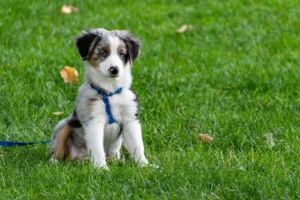
Dogs usually jump because jumping works. When a dog jumps, it often gets exactly what it wants: eye contact, touch, talking, and excitement. From the dog’s perspective, that is a win.
Think about it from your dog’s point of view. Every time it leaps up, someone looks at it, pushes it, says its name, or even laughs. All of that counts as attention. Dogs often jump on people as a way to seek attention, and even negative responses like pushing them away can reinforce this behavior as it still provides attention. Your dog does not know the difference between good attention and bad attention. It just knows that jumping got a reaction.
Common reasons dogs jump include seeking attention, trying to greet at face level (a natural dog instinct), built-up energy from being inside, and simply having been rewarded for jumping in the past. Some breeds and young dogs are naturally more bouncy, but the root cause is still unclear rules about how to greet humans. Dogs do not jump to be the pack leader or to dominate you. They jump because it is fun, it gets results, and no one has taught them a different way to say hello.
How to Stop a Dog From Jumping on Guests
The most effective way to get a dog to stop jumping on people is to control the greeting and reward calm behavior. This means having a plan before guests arrive, keeping your dog on leash, and practicing daily until polite greetings become a habit.
Using management techniques, such as keeping the dog on a leash or behind a barrier when guests arrive, can help prevent jumping while the dog is learning proper behavior. To effectively stop a dog from jumping on people, it is essential to teach them to associate greetings with a sit command, rewarding them for remaining seated when meeting someone.
Start by teaching a solid sit or place command near the door. These give your dog a job to do instead of jumping. When your dog sits and holds that position, mark the moment with a clear word like “yes” and give a treat or calm petting at chest level. Timing matters. Rewards need to come within about one second of the good behavior for your dog to make the connection.
When guests arrive, keep your dog on a six-foot leash. Stand at your dog’s side and only allow forward movement when all four feet are on the floor. If your dog pops up, stop moving and wait. When it settles, move forward again. Guests should be instructed to ignore a dog until it is calm with all four paws on the ground to prevent jumping behavior. This means no looking, no talking, and no touching until your dog is calm.
Practice quick, daily drills with family members. Have someone knock on the door, leash your dog, ask for a sit or send it to place, let the person enter calmly, and reward your dog for staying down. Consistency is critical. Consistency in training is crucial; everyone in the household must follow the same rules to effectively stop a dog from jumping on people. Even when friends say “I don’t mind if your dog jumps,” the same rules should apply to everyone, every time.
Teaching Calm Greetings Step by Step
Here is a simple sequence to follow:
- Clip the leash on before anyone reaches the door
- Ask your dog for a sit or send it to its place mat
- Open the door only when your dog is calm and holding position
- If your dog pops up, reset by backing away and starting over
- When paws stay on the floor, mark with “yes” and reward
To successfully train a dog to stop jumping, it is important to reward them for polite greetings consistently, especially during the learning phase. Start practice sessions with family members, then add one calm friend, then work up to small groups. This gradual approach helps your dog build success.
Keep treats low. Drop rewards on the floor or deliver them at nose level to help keep your dog from jumping up toward faces and hands. Set a simple rule: a good sit gets attention, jumping gets nothing. Using high-value rewards can encourage a dog to remain calm and not jump during guest arrivals. Chicken, cheese, or favorite toys often work better than regular kibble.
Keep early sessions short, around three to five minutes a few times a day. Short, successful practice sessions are better than long, frustrating ones.
Using Place Training to Stop Dogs From Jumping
A place command teaches your dog to go to a specific spot, like a bed, mat, or cot, and stay there until released. This gives your dog a clear job when people enter the home. Establishing a Place command teaches a dog to go to a specific spot when guests arrive.
To teach place:
- Lure your dog onto the mat with a treat
- Mark the moment all four paws land on it
- Add a “stay” and gradually build duration
- Release with a word like “break”
Start in a quiet room with no distractions. Once your dog understands the cue, add door knocks and then practice with real guests. You can use a long line indoors to give your dog more freedom while still being able to prevent rushing the door.
Place training helps beyond just greetings. It is useful during dinner time, deliveries, or when kids’ best friends visit and need space from the dog.
Mistakes That Can Make Jumping Worse
Many normal reactions to jumping actually teach your dog that jumping works. Understanding these mistakes can save you weeks of frustration.
Common mistakes include:
- Pushing the dog’s chest (provides touch they crave)
- Grabbing paws (still attention and contact)
- Yelling “No” or “Off” (sounds exciting to dogs)
- Holding the collar while still talking to the dog
- Making eye contact or laughing when the dog jumps
Ignoring the dog when it jumps and only giving attention when all four paws are on the ground is a key technique in preventing jumping behavior. Any form of attention given while the dog jumps, including negative attention, can reward the dog’s behavior and make it stronger.
Inconsistent rules create confusion. Consistency in training is crucial; all family members must follow the same rules regarding jumping to ensure the dog learns that jumping does not yield attention. If kids encourage jumping while adults try to stop dogs from jumping, your dog learns that jumping sometimes works, which makes the habit even harder to break.
Avoid kneeing, kicking, or using harsh tools. These methods can hurt your dog, damage trust, and sometimes make excited dogs even more frantic. Calm, humane strategies work better and faster in the long run.
How to Practice Better Guest Greetings
Dogs need structured practice greeting people, not just hoping things go well when real company shows up.
Set up practice sessions by scheduling a friend or family member to arrive at a set time. You can also simulate arrivals by having someone knock and walk in from outside.
Follow these steps:
- Leash on before the knock
- Guide your dog to sit or place
- Have the guest come in slowly and ignore the dog if it jumps
- Reward when paws stay on the floor
Use very small, soft treats or favorite toys as rewards. Start with easy versions, like one calm adult guest, before trying harder situations like groups of children or delivery drivers.
End each practice session on a success. This helps your dog build a strong habit of greeting politely instead of rehearsing jumping on people.
Preparing Your Dog Before Guests Arrive
Give your dog a potty break and a short walk or play session about 20 to 30 minutes before guests are due. Engaging in high-energy exercise can reduce the likelihood of jumping behavior in dogs. A tired dog is often a calmer dog.
Have your supplies ready by the door: treats, leash, and mat. Decide in advance where your dog will be for the first few minutes of each visit. Options include on leash, on place, behind a baby gate, or in a separate room or crate.
Text or call guests ahead of time and tell them the plan. Ask them to wait for a sit or ignore the dog until all four paws are on the floor. For very excitable dogs, starting the visit with the dog behind a gate or in a crate for five to ten minutes can help it calm down before practicing polite greetings.
When to Get Professional Help
Some dogs need extra guidance, especially if they are very strong, very excited, or have a history of pushing into people and creating dangerous situations.
Signs it is time to seek professional training:
- Your dog knocks over kids, elderly family members, or visitors
- You cannot hold your dog on leash when the doorbell rings
- Your dog reacts by barking, lunging, or showing aggression at the door
- Your dog ignores all basic cues when new people arrive
- Jumping has caused injuries or near-misses
A professional dog trainer can provide customized step-by-step plans, demonstrate leash handling, and show you how to stop dogs from jumping in real-life situations. Board-and-train programs or in-home lessons can be especially helpful for busy families who want faster, reliable results around guests and distractions.
Asking for help is not a failure. It is a smart choice when safety, comfort, or quality of life are affected by your dog’s jumping.
Conclusion
Dogs jump on people because jumping has been rewarded, even if that reward was just a push or a loud “no.” The way to stop jumping is to calmly remove attention for jumping and reward polite greetings instead.
Training a dog to sit as a greeting behavior can help prevent jumping, but it requires consistent practice and reinforcement to establish this behavior. Use the tools that work: leash control at the front door, teaching sit or place, rewarding all four feet on the floor, and practicing with visitors before big events.
Patience, structure, and consistency from everyone in the family will help your dog learn new habits and make visits calmer and safer. If you feel stuck or if jumping has become dangerous, reach out to a qualified dog trainer or behavior professional for guidance.
FAQ
How long does it usually take to stop a dog from jumping on guests?
Simple cases with young, friendly dogs can improve in a few weeks of daily practice. Long-term habits in adult dogs may take two to three months of consistent work. Progress depends on how often your dog gets to rehearse jumping versus how often you practice planned, calm greetings. Track small wins like shorter jump episodes or faster sits to stay motivated.
What if my dog only jumps on some people, like kids or certain visitors?
Dogs quickly learn patterns. They may jump on people who give big reactions and stay calmer around others who ignore them. Use the same rules for everyone: no greeting until all four paws are on the floor. Manage kids and excited friends to avoid accidental rewards for jumping. Extra practice with the types of people who trigger more jumping, using a leash and clear instructions, will help.
Can I ever let my dog jump up to say hello if I like it?
It is possible to teach two things like an “up” cue for allowed jumping and “off” for no jumping, but this requires careful training and clear boundaries. Many families find this confusing for the dog and easier to manage if they keep one simple rule: four paws on the floor for all greetings. If you want both options, work with a trainer to create clear, consistent rules so your dog does not start jumping on people who do not want it.
What should I do when delivery drivers or surprise visitors come to the door?
Have a default plan: put the dog on leash or behind a baby gate or in a crate before opening the door, even if it means asking the person to wait a moment. Teaching a place cue gives your dog a practiced job to do when the doorbell rings, even during unexpected visits. Safety comes first. It is better to manage your dog away from the door than allow a rushed greeting with a stranger.
Is it better to use a harness or a collar when training my dog not to jump?
A well-fitted harness or flat collar can both work, as long as you can control your dog without causing pain or choking. Front-clip harnesses often give owners more control over strong or large dogs by reducing pulling and lunging at the door. Avoid tools that cause pain, and consult a trainer or vet if you are unsure which equipment is safest and most comfortable for your pet.
Conclusion
Dogs jump on people because jumping has been rewarded, even if that reward was just a push or a loud “no.” The way to stop jumping is to calmly remove attention for jumping and reward polite greetings instead.
Training a dog to sit as a greeting behavior can help prevent jumping, but it requires consistent practice and reinforcement to establish this behavior. Use the tools that work: leash control at the front door, teaching sit or place, rewarding all four feet on the floor, and practicing with visitors before big events.
Patience, structure, and consistency from everyone in the family will help your dog learn new habits and make visits calmer and safer. If you feel stuck or if jumping has become dangerous, reach out to a qualified dog trainer or behavior professional for guidance.
Remember, with time and the right approach, you and your dog can enjoy peaceful, polite greetings every time someone comes to the door. Don’t hesitate to seek professional help if you need extra support in managing your dog’s unwanted behavior.